HIGHLIGHTS
- Aerofugia achieves critical certification milestones targeting commercial eVTOL operations within 2-3 years, demonstrating electric vertical aircraft are transitioning from development to real-world deployment.
- Strategic partnership with Sygso addresses key aviation standards including battery safety, propulsion reliability, and emergency procedures essential for passenger-carrying operations.
- Chinese manufacturer’s progress strengthens global eVTOL momentum, establishing regulatory precedents that will accelerate approval pathways across multiple markets and expand commercial air mobility networks.
Aerofugia has announced a significant advancement in its eVTOL development program, achieving critical certification milestones that bring the Chinese aerospace company closer to commercial operations. The certification journey represents a pivotal moment for the company’s electric vertical takeoff and landing aircraft, marking progress toward regulatory approval from aviation authorities.
Aerofugia’s Path to eVTOL Certification
Aerofugia has positioned itself as a leading innovator in China’s emerging electric aircraft sector, with a focus on developing practical eVTOL solutions for urban air mobility and short-haul transportation. The company’s certification efforts reflect the growing maturity of the personal air mobility industry, as manufacturers transition from prototype development to formal regulatory validation. This milestone demonstrates that eVTOL technology is advancing beyond concept stages toward real-world deployment.
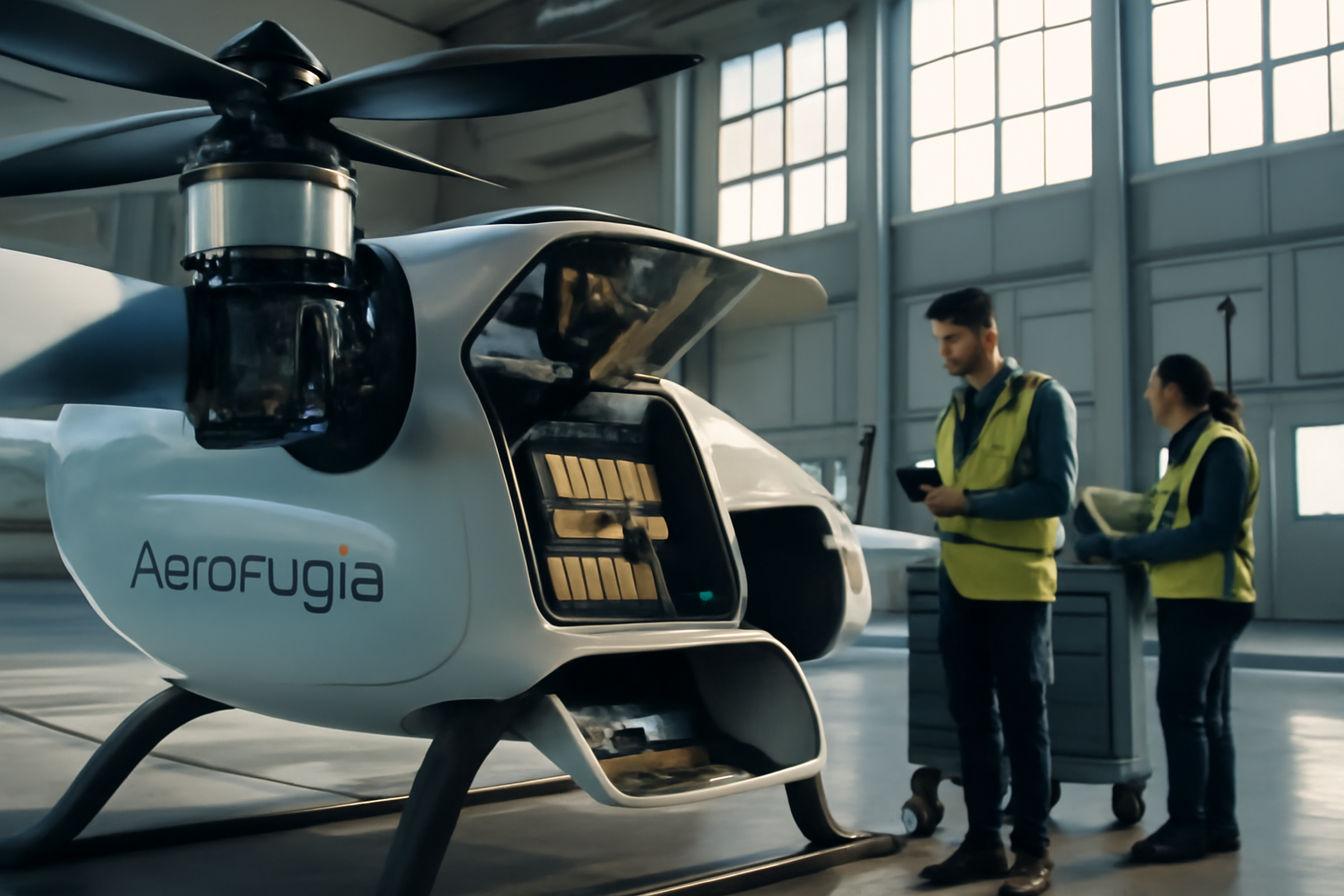
The certification process for eVTOL aircraft involves comprehensive testing protocols covering aerodynamic performance, propulsion system reliability, battery safety, and pilot controls. Aerofugia’s achievement in this arena signals that their design and engineering teams have successfully navigated complex technical requirements demanded by aviation regulators. Each certification milestone brings the aircraft closer to passenger operations and commercial viability.
China’s regulatory framework for eVTOL aircraft has been evolving rapidly, with authorities establishing clearer pathways for airworthiness certification. Aerofugia’s progress benefits from this maturing regulatory environment, which now includes specific standards and testing protocols designed for electric vertical aircraft. The company’s success demonstrates that Chinese manufacturers can meet international aviation safety standards while innovating in the emerging air mobility space.
Strategic Partnership with Sygso
Aerofugia’s collaboration with Sygso represents a strategic effort to address key certification challenges and accelerate the approval timeline. Sygso brings specialized expertise in systems engineering and regulatory compliance, complementing Aerofugia’s aircraft design and manufacturing capabilities. This partnership model is increasingly common in the eVTOL industry, where companies combine their strengths to overcome complex technical and regulatory hurdles.
The joint effort targets specific aviation standards that are fundamental to eVTOL certification. Rather than developing all systems independently, the partnership allows both companies to focus on areas of expertise while maintaining integrated project management. This approach has proven effective in other aerospace projects, where collaborative development accelerates innovation while reducing overall program risk and timeline.
Sygso’s involvement underscores the importance of specialized systems integration in eVTOL development. As aircraft become more complex—combining electric propulsion, advanced battery management, autonomous flight systems, and safety redundancies—partnerships with systems specialists become increasingly valuable. The collaboration between Aerofugia and Sygso demonstrates how industry partnerships drive progress in certification.
Key Aviation Standards and Testing Requirements
eVTOL certification requires aircraft to meet rigorous airworthiness standards covering multiple technical domains. Battery safety, propulsion system reliability, emergency procedures, and structural integrity all demand extensive testing and documentation. Aerofugia’s partnership targets these foundational requirements, ensuring their aircraft can safely carry passengers and operate in diverse weather conditions and flight scenarios.
Electric propulsion systems present unique certification challenges compared to traditional combustion engines. Regulators must evaluate battery performance across temperature ranges, assess failure modes, and establish safety margins for emergency descent procedures. Additionally, eVTOL aircraft must demonstrate precise control authority for vertical takeoff and landing phases, which differs significantly from fixed-wing aircraft operations. Aerofugia’s progress suggests their engineering teams have successfully addressed these technical hurdles.
The certification pathway also includes pilot training and operational procedures. Unlike conventional aircraft with standardized training programs, eVTOL operations represent new territory for aviation authorities. Aerofugia and Sygso are likely developing comprehensive training curricula and operational guidelines that will become industry standards. This regulatory groundwork is essential for establishing safe, efficient operations once commercial service begins.
Impact on Global eVTOL Development
Aerofugia’s certification progress carries significance beyond the company’s own operations. As a Chinese manufacturer advancing through regulatory approval, Aerofugia demonstrates that eVTOL development is a truly global phenomenon. Competition and innovation are emerging from Asia, Europe, and North America simultaneously, accelerating the overall maturation of personal air mobility technology. Aerofugia’s success strengthens the industry’s credibility and investor confidence.
The achievement also provides a case study for other manufacturers navigating certification processes in different regulatory jurisdictions. Each approval gained by Aerofugia creates documented standards and procedures that future applicants can reference. This knowledge-sharing effect, while competitive, ultimately benefits the entire industry by establishing clearer certification pathways and reducing uncertainty for new entrants.
Aerofugia’s progress aligns with broader trends in the eVTOL sector, where multiple companies across different regions are achieving similar milestones. Vertical Aerospace in the UK, Joby Aviation in the US, and EHang in China are all advancing through certification processes. This parallel development suggests that commercial eVTOL operations could begin in multiple markets within the next few years, creating genuine urban air mobility networks rather than isolated pilot programs.
Future Operational Timeline and Market Implications
While certification milestones do not guarantee immediate service launches, they provide a reliable indicator of near-term operational deployment. Aerofugia’s achievement suggests the company could begin commercial operations within the next 2-3 years, pending final regulatory approval and infrastructure development. This timeline aligns with other manufacturers’ projections and reinforces expectations that the 2027-2028 period will mark the beginning of commercial eVTOL service globally.
Market implications are significant. As eVTOL aircraft achieve certification and enter service, investors and operators will gain real-world data on maintenance costs, battery performance, operational efficiency, and passenger demand. This data will inform the second generation of eVTOL designs and help establish viable business models. Aerofugia’s entry into the market will contribute valuable information about customer preferences in Asia and will likely influence aircraft development across the region.
Infrastructure partnerships will become critical as Aerofugia approaches operational readiness. Vertiports, charging facilities, and maintenance bases must be established before commercial service can begin. Urban planning considerations, including noise compliance and airspace management, will require coordination with local authorities. Aerofugia’s certification progress makes these infrastructure discussions increasingly urgent for cities where the company plans to operate.
Key Takeaways from Aerofugia’s Certification Achievement
- Aerofugia’s eVTOL certification milestones represent tangible progress toward commercial operations, likely enabling service launch within 2-3 years and demonstrating that electric vertical aircraft are transitioning from development to deployment.
- The partnership with Sygso reflects industry best practices in systems integration, addressing critical certification challenges in battery safety, propulsion reliability, and emergency procedures essential for passenger operations.
- Aerofugia’s success as a Chinese manufacturer strengthens global eVTOL development momentum, creating regulatory precedents that will accelerate certification pathways for competitors and expand commercial air mobility networks across multiple markets.
Aerofugia’s eVTOL certification progress represents a watershed moment for the personal air mobility industry. The company’s achievement demonstrates that electric vertical aircraft are no longer theoretical concepts but engineered systems capable of meeting rigorous aviation standards. As regulatory approval pathways become clearer and more manufacturers reach similar milestones, the foundation for commercial urban air mobility networks is solidifying. The next phase of the eVTOL revolution will be defined not by technology breakthroughs but by operational deployment, infrastructure development, and real-world performance validation. Aerofugia’s journey provides a roadmap for the industry and a timeline for when passengers can expect to see electric aircraft taking flight in cities worldwide.