HIGHLIGHTS
- Volkswagen’s EV innovation ventures in East China are creating battery, autonomous, and manufacturing technologies directly applicable to eVTOL and drone development.
- The region’s advanced infrastructure and regulatory frameworks are establishing the conditions for rapid commercialization of personal air mobility solutions.
- Volkswagen’s strategic partnerships position the company to expand beyond ground vehicles into urban air transportation and integrated mobility ecosystems.
Volkswagen’s strategic pivot toward electric vehicles is gaining significant momentum in East China, positioning the German automaker as a major contender in one of the world’s most dynamic EV markets. The company’s expanding innovation ventures across the region signal a fundamental shift in how traditional automakers are embracing the electrification revolution, with implications extending beyond passenger vehicles into the broader personal air mobility and drone technology sectors.
Volkswagen’s East China EV Strategy Takes Shape
Volkswagen’s commitment to East China represents far more than a simple market expansion play. The automaker has established itself as a driving force in the region’s electric vehicle ecosystem, launching multiple joint ventures and innovation hubs designed to develop next-generation EV technologies. This strategic positioning reflects the company’s recognition that East China is not merely a market to be served, but a critical innovation hub where the future of electric mobility is being defined.
The company’s presence across major East China cities has enabled Volkswagen to tap into a rich pool of engineering talent, cutting-edge manufacturing capabilities, and a consumer base that has already embraced electric vehicles at scale. By establishing deep roots in the region, Volkswagen gains access to insights that inform product development, battery technology advancement, and the integration of digital platforms that support autonomous and connected vehicle ecosystems.
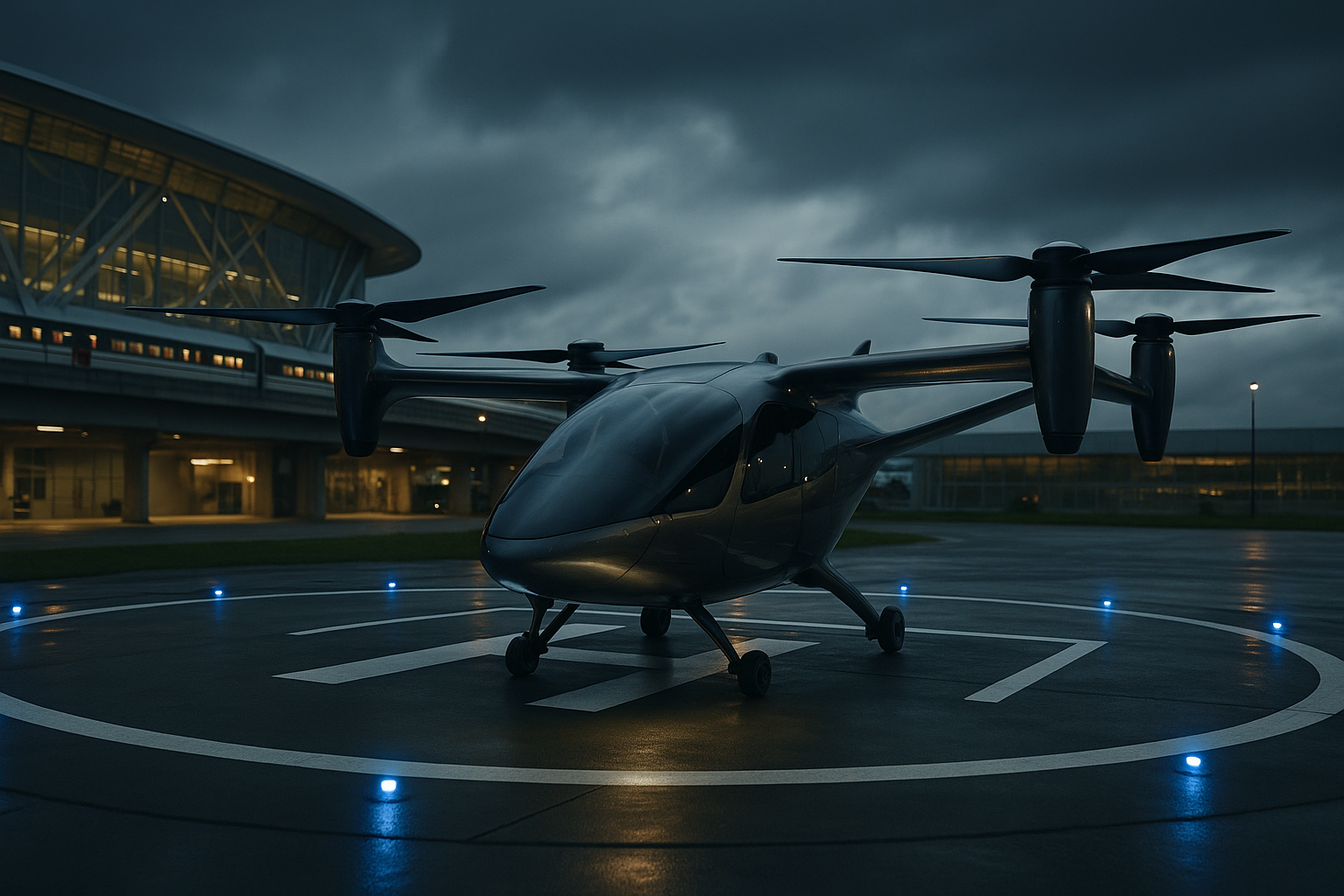
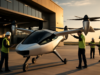
This East China focus also positions Volkswagen to participate in emerging opportunities within personal air mobility and urban air transportation—sectors where Chinese companies are rapidly establishing leadership. The infrastructure, regulatory frameworks, and innovation partnerships being built across East China will increasingly support vertical takeoff and landing (VTOL) aircraft, autonomous drones, and last-mile delivery solutions that complement ground-based electric vehicles.
Innovation Partnerships and Technological Advancement
Volkswagen’s flourishing operations in East China are built on strategic partnerships with leading technology companies, universities, and government entities. These collaborations accelerate the development of key enabling technologies: advanced battery systems, electric motor architectures, autonomous driving software, and integrated mobility platforms that serve both ground and aerial applications. The synergies between these technological domains create opportunities for cross-pollination of innovations that benefit the entire personal air mobility sector.
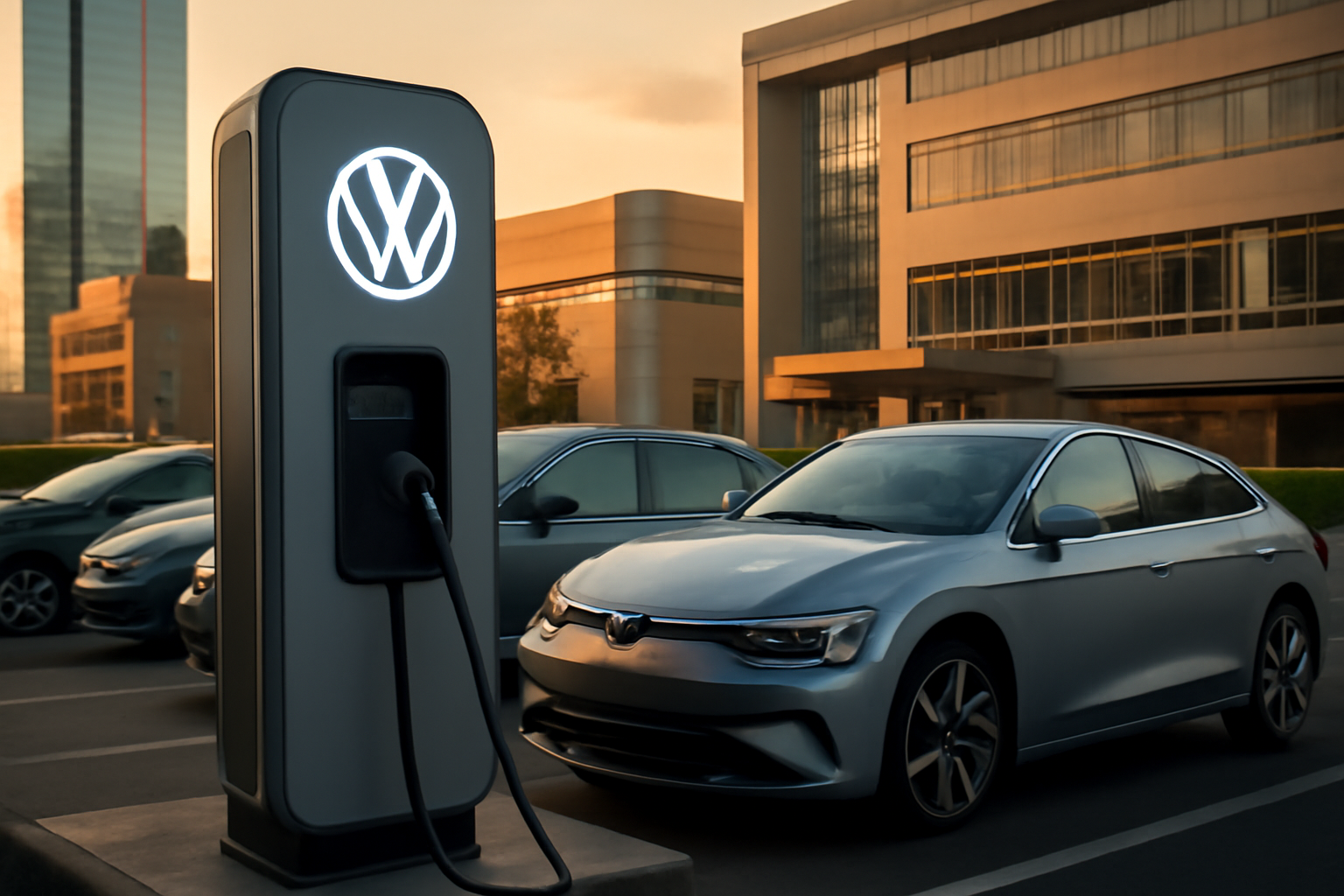
The company’s investment in East China’s innovation infrastructure has yielded tangible results in battery development and charging infrastructure deployment. As EV adoption rates climb across the region, Volkswagen’s commitment to building comprehensive charging networks and energy management systems creates a template for how traditional automakers can support the broader transition to electrification—including the power systems required for drone operations and urban air mobility fleets.
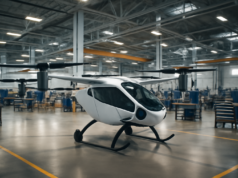
Manufacturing capabilities established in East China also enable Volkswagen to experiment with production techniques and supply chain models that are increasingly relevant to personal air mobility. The region’s expertise in precision manufacturing, lightweight materials science, and high-volume electronics production provides valuable experience that directly translates to the production challenges facing emerging eVTOL and drone manufacturers.
Market Dynamics and Competitive Landscape
Volkswagen’s success in East China must be understood within the context of intense competition from both established automakers and disruptive new entrants. Chinese EV manufacturers have captured significant market share through aggressive pricing, rapid innovation cycles, and deep integration with local digital ecosystems. Volkswagen’s ability to thrive in this environment demonstrates the company’s strategic agility and its capacity to compete effectively while maintaining quality and premium positioning.
The competitive pressures in East China’s EV market are driving innovation at an unprecedented pace. This dynamic environment benefits not only ground-based vehicles but also accelerates development timelines for personal air mobility solutions. Companies working on eVTOL aircraft, autonomous drones, and integrated urban air mobility services are leveraging the same manufacturing infrastructure, talent pools, and supply chains that Volkswagen is tapping into, creating a rising tide that lifts multiple sectors simultaneously.
Consumer expectations in East China are remarkably sophisticated when it comes to electric vehicles. Buyers demand seamless digital integration, advanced driver assistance features, and environmental credentials that go beyond simple powertrain selection. These same expectations will shape the requirements for personal air mobility solutions, where reliability, connectivity, and sustainability will be fundamental selling points for early adopters and fleet operators alike.
Implications for the Broader Mobility Ecosystem
Volkswagen’s East China strategy demonstrates how traditional automotive manufacturers are transforming into comprehensive mobility solution providers. The company’s investment in related technologies—battery systems, autonomous driving, digital platforms, and manufacturing excellence—creates a foundation that extends naturally into personal air mobility. As eVTOL aircraft and delivery drones become operational realities, the battery technology, charging infrastructure, and fleet management systems that Volkswagen is developing for ground vehicles will prove directly applicable.
The regulatory environment in East China is also advancing rapidly, with government bodies establishing frameworks for autonomous vehicle testing, drone operations, and urban air mobility integration. Volkswagen’s deep relationships with Chinese authorities and its demonstrated commitment to long-term investment position the company to participate in shaping standards and regulations that will govern personal air mobility adoption across the region and potentially beyond.
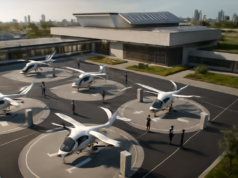
Looking forward, Volkswagen’s East China operations may serve as a testing ground for integrated mobility solutions that combine ground-based electric vehicles with personal air mobility alternatives. Cities across East China are investing heavily in smart infrastructure, 5G connectivity, and autonomous systems—the foundational technologies required to support mixed fleets of ground vehicles and flying platforms operating seamlessly within urban environments.
Key Takeaways: What Volkswagen’s East China Success Means for Personal Air Mobility
- Volkswagen’s thriving EV innovation ventures in East China establish a technological and manufacturing foundation directly applicable to personal air mobility development, including battery systems, power management, and autonomous platform integration.
- The region’s sophisticated EV market, advanced manufacturing infrastructure, and supportive regulatory environment are creating conditions where eVTOL aircraft and autonomous drones can rapidly transition from prototype to commercial deployment.
- Volkswagen’s strategic partnerships across East China’s innovation ecosystem position the company to participate in broader mobility transformation, potentially extending its influence into urban air transportation and drone fleet operations.
Volkswagen’s flourishing operations in East China represent a critical milestone in the company’s transformation from traditional automaker to modern mobility provider. The technologies being developed, partnerships being forged, and manufacturing capabilities being established in the region will increasingly influence how personal air mobility solutions are designed, produced, and integrated into urban environments. As the global EV market matures and personal air mobility transitions from concept to reality, the foundations Volkswagen is building in East China may prove to be among the company’s most strategically significant investments.