HIGHLIGHTS
- Boeing sells eVTOL leader Wisk and UAS pioneer Insitu to Archer Aviation, signaling a strategic pivot away from urban air mobility amid production challenges
- Archer gains vertically integrated capabilities combining autonomous passenger aircraft with proven unmanned systems and regulatory expertise
- The consolidation accelerates industry maturation, positioning Archer to move faster on certification and commercial operations
Boeing, one of the world’s largest aerospace manufacturers, has announced the sale of two significant aviation ventures to Archer Aviation. The divestment of Wisk, a leading electric vertical takeoff and landing (eVTOL) developer, and Insitu, a Washington-based unmanned aircraft systems innovator, marks a major strategic pivot in Boeing’s approach to the rapidly evolving personal air mobility sector. This transaction represents a consolidation within the emerging urban air mobility industry and signals shifting priorities among legacy aerospace giants.
Boeing’s Strategic Retreat from Urban Air Mobility
Boeing’s decision to divest Wisk and Insitu reflects a broader strategic reassessment within the company. As Boeing navigates significant challenges in its core commercial aircraft business, the company has determined that focusing on traditional aerospace operations is more critical to its long-term stability and recovery efforts. The sale to Archer Aviation allows Boeing to redirect capital and management attention toward addressing production backlogs and regulatory compliance issues affecting its primary product lines.
For years, Boeing invested in these ventures as a hedge against disruption in the aviation sector. However, the path to commercialization for eVTOL aircraft and advanced drone systems has proven longer and more complex than initially anticipated. By selling these assets to a specialized player like Archer, Boeing acknowledges that dedicated, focused operators may be better positioned to navigate the regulatory and technical challenges of bringing electric aircraft to market.
This divestment also represents recognition that Boeing’s historical strength in large-scale commercial aviation may not translate directly to the innovative, startup-like environment required to develop cutting-edge electric vertical mobility solutions. Archer’s acquisition of both companies signals confidence in consolidating complementary technologies and expertise under a single operational structure.
Wisk: From Boeing Subsidiary to Independent Operator
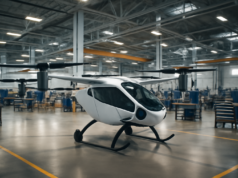
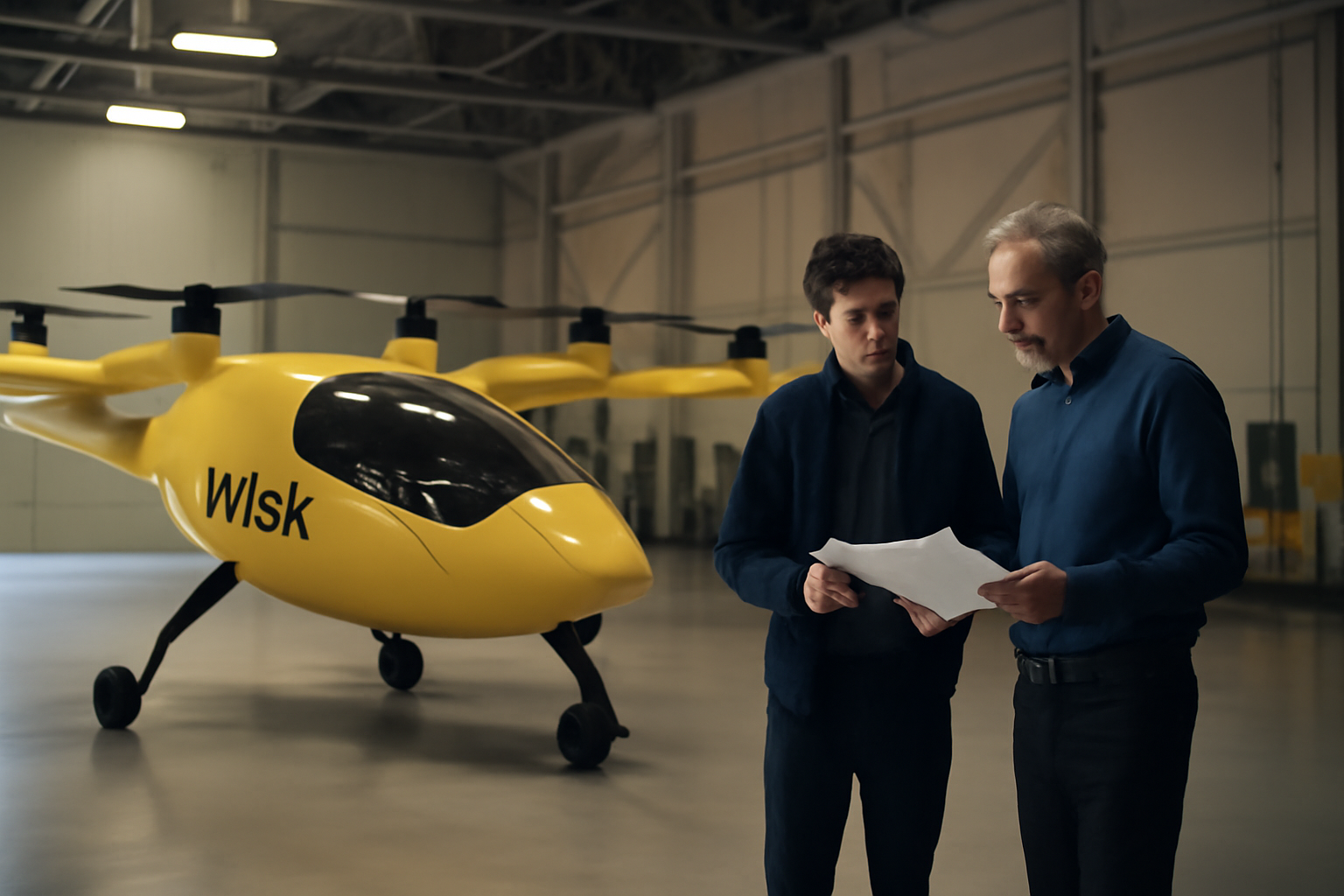
Wisk, which has been developing autonomous eVTOL aircraft designed for urban and regional mobility, now transitions from Boeing ownership to Archer’s portfolio. Wisk’s technology focus on autonomous operations and electric propulsion aligns well with Archer’s vision for the future of air transportation. The company has made significant progress in aircraft design, with notable advancements in battery technology and autonomous flight systems that are central to the emerging urban air mobility ecosystem.
Under Archer’s stewardship, Wisk is expected to accelerate development timelines and focus more aggressively on certification pathways with aviation authorities. Archer’s existing relationships with regulators and its proven ability to attract venture capital and strategic partnerships position the company to move Wisk’s technology closer to commercial deployment. The transfer also provides Wisk with access to Archer’s operational expertise and market development capabilities.
Wisk’s independent status within Archer could also enhance the company’s ability to collaborate with other industry players, government agencies, and infrastructure partners without the perceived conflicts that sometimes arise when a major aircraft manufacturer has direct involvement in emerging aviation categories. This newfound autonomy may accelerate partnerships and regulatory approvals.
Insitu: Drone Technology Finds New Home
Insitu, the Washington-based pioneer in unmanned aircraft systems (UAS), brings a different but complementary skillset to Archer’s operations. With decades of experience developing sophisticated drone technologies for commercial and government applications, Insitu’s acquisition adds maturity and proven systems engineering excellence to Archer’s portfolio. The company’s established track record with regulators and end-users provides a foundation for advancing commercial drone operations.
The integration of Insitu’s UAS capabilities with Wisk’s eVTOL passenger aircraft technology creates a vertically integrated platform for multiple air mobility use cases. While Wisk focuses on passenger transportation, Insitu’s expertise in cargo and specialized aerial operations opens additional revenue streams and market opportunities for the combined entity. This complementary positioning strengthens Archer’s competitive posture in the rapidly expanding urban air mobility sector.
Insitu’s experience navigating the Federal Aviation Administration’s regulatory framework for unmanned operations will be invaluable as Archer pursues Part 135 certification for eVTOL passenger services. The operational intelligence and safety protocols developed through Insitu’s existing programs can directly inform how Archer designs and deploys its new aircraft systems, potentially accelerating the path to commercial service launch.
What This Means for the Urban Air Mobility Industry
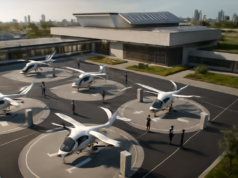
The consolidation of Wisk and Insitu under Archer represents a significant maturation event in the personal air mobility sector. Rather than remaining dispersed among legacy aerospace competitors, these specialized aviation technologies now reside with a company whose entire strategic mission centers on advancing electric vertical mobility. This alignment of incentives and organizational focus could yield faster innovation cycles and more decisive execution on commercialization timelines.
For other manufacturers and investors in the eVTOL space, Boeing’s exit signals both challenges and opportunities. It underscores that developing advanced aircraft requires sustained capital investment and specialized expertise that not all companies can maintain alongside their primary business lines. Simultaneously, it demonstrates growing confidence among industry participants that the urban air mobility market is real and warrants significant resource commitment. Archer’s acquisition suggests the company sees a clear path to profitability and competitive advantage by consolidating these complementary capabilities.
The transaction also highlights how the eVTOL industry continues to consolidate toward fewer, more focused players with adequate capitalization and expertise. While this reduces the total number of independent developers, it may actually accelerate the timeline to commercial operations by eliminating smaller competitors that lack sufficient resources to complete certifications and begin revenue operations.
Key Takeaways from Boeing’s Divestment
- Boeing’s sale of Wisk and Insitu to Archer marks a strategic refocus on core commercial aerospace businesses amid production challenges and regulatory scrutiny
- The consolidation combines Wisk’s autonomous eVTOL passenger aircraft technology with Insitu’s proven unmanned aircraft systems expertise, creating a vertically integrated air mobility platform
- Archer’s acquisition strengthens its competitive position with established regulatory relationships, proven systems engineering, and complementary product capabilities spanning passenger and cargo operations
Boeing’s divestment of Wisk and Insitu to Archer represents a watershed moment in the urban air mobility sector. As the aerospace industry matures and consolidates around the most promising opportunities, companies must make difficult choices about where to place their bets. Boeing’s decision reflects confidence that Archer is the right steward for these innovative technologies while allowing Boeing to concentrate on stabilizing its core business. For the broader aviation community, this transaction reinforces that specialized, focused operators with adequate capital and regulatory expertise will likely lead the next generation of aviation innovation.