HIGHLIGHTS
- North Carolina deploys eVTOL aircraft to respond to real 911 emergency calls, marking the first operational deployment of electric aircraft in emergency services
- Electric VTOL reduces response times by bypassing road networks and operating from distributed locations without requiring traditional landing infrastructure
- FAA regulatory approval for emergency eVTOL operations validates technology maturity and establishes a pathway for nationwide adoption by other regions
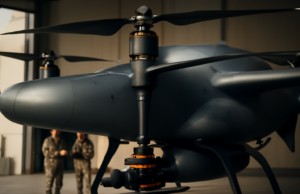
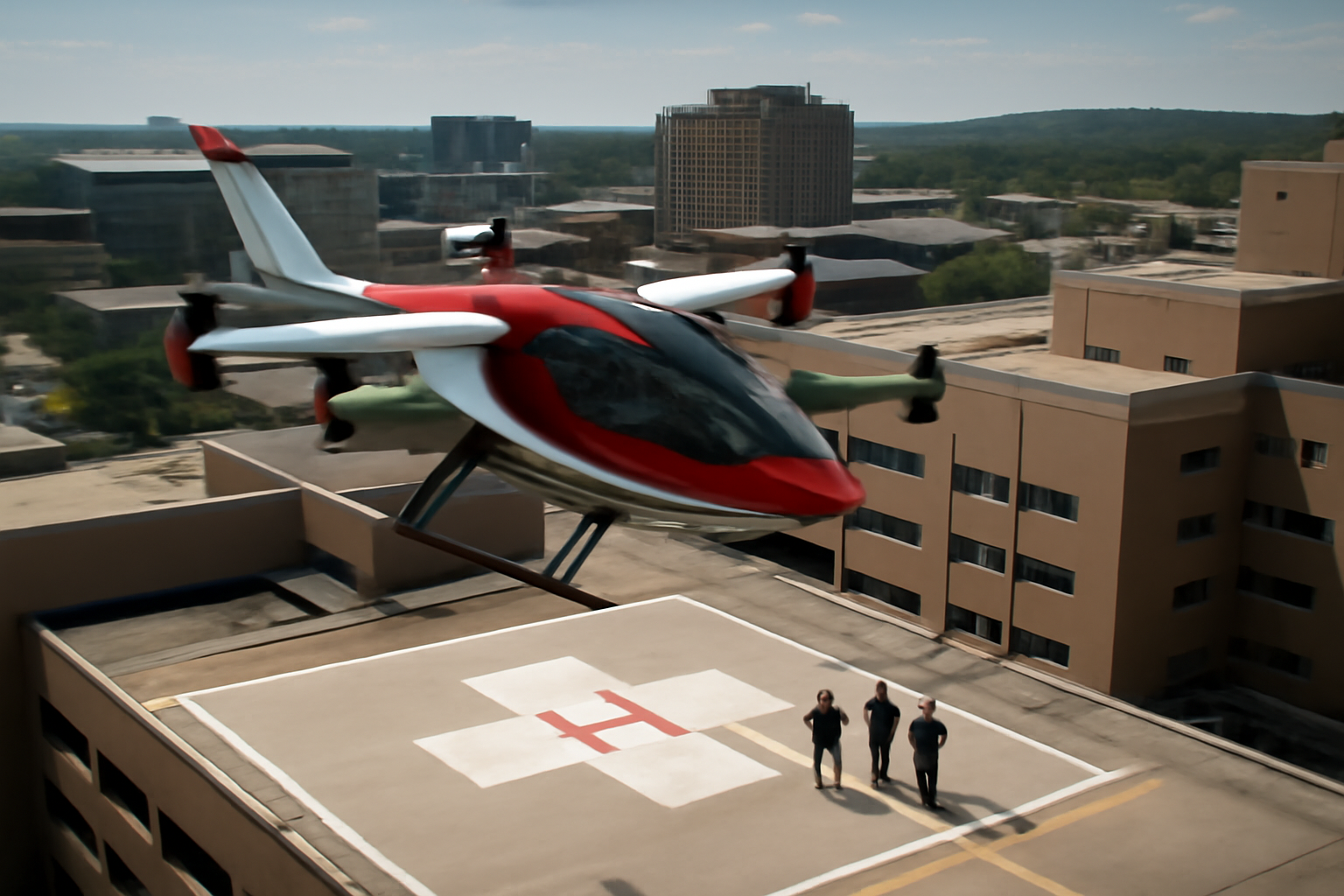
North Carolina has become a trailblazer in emergency services innovation by deploying electric vertical takeoff and landing (eVTOL) aircraft to respond to real 911 calls. This groundbreaking initiative represents a significant milestone in the practical application of personal air mobility technology, moving beyond concept demonstrations and into critical, life-saving operations. The deployment of these electric aircraft in emergency response showcases the maturity of eVTOL technology and its potential to revolutionize how first responders reach patients and scenes in time-critical situations.
eVTOL Technology Takes the Lead in Emergency Response
The deployment of electric vertical takeoff and landing aircraft in North Carolina’s emergency response system demonstrates the readiness of eVTOL technology for real-world, high-stakes operations. These aircraft offer significant advantages over traditional helicopters, including lower operational costs, reduced noise pollution, and zero-emission flight capabilities. By leveraging electric propulsion systems, North Carolina’s emergency services can respond faster while minimizing environmental impact on communities.
The ability to launch from multiple locations without requiring traditional landing infrastructure makes eVTOL aircraft ideal for emergency scenarios. Hospitals, fire stations, and emergency response centers can now serve as deployment hubs, reducing response times to critical incidents. The electric powertrain also allows for extended flight times compared to early-generation aircraft, enabling responders to reach more remote or underserved areas that previously required longer ground transportation.
This North Carolina initiative signals to the aviation industry that eVTOL manufacturers have achieved the reliability, safety standards, and regulatory compliance necessary for emergency operations. The real-world performance data gathered from these flights will be invaluable for other municipalities and regions considering similar programs.
How Electric Aircraft Improve 911 Response Times
Time is critical in emergency medicine, and electric VTOL aircraft can dramatically reduce response times in ways that ground-based ambulances cannot. By flying directly to incident locations while bypassing road networks, eVTOL aircraft shorten the distance between emergency personnel and patients in need. In cardiac emergencies, trauma cases, and other time-sensitive situations, this reduction in response time can be literally lifesaving.
The vertical takeoff and landing capability means emergency aircraft can now operate from sites previously unsuitable for traditional helicopters. Small clearings, parking lots, and rooftop landing zones can serve as dispatch points, creating a distributed network of response locations. This flexibility allows emergency services to position aircraft strategically throughout a region, ensuring coverage and faster deployment to any part of the service area.
North Carolina’s deployment will generate crucial performance metrics on how eVTOL aircraft function during actual emergency operations. Real-world data on flight reliability, battery performance under operational stress, and integration with existing emergency communication systems will inform best practices for other regions implementing similar programs.
Regulatory Approval and Safety Standards
The fact that North Carolina received regulatory approval to deploy eVTOL aircraft for real emergency calls reflects the maturation of certification processes for electric vertical takeoff and landing vehicles. Federal Aviation Administration oversight and state-level regulations have established safety frameworks that allow municipalities to confidently operate these aircraft in populated areas while responding to emergencies. This regulatory green light validates years of development work by manufacturers and safety experts.
Safety certifications for eVTOL aircraft used in emergency operations are stringent, covering aircraft design, pilot training, operational procedures, and emergency protocols. The pilots and personnel operating these emergency aircraft must meet specialized training standards that account for the unique characteristics of electric propulsion and vertical flight. Regular maintenance checks and performance monitoring ensure these aircraft remain safe and reliable throughout their operational lives.
The successful regulatory pathway in North Carolina establishes a template that other states and countries can follow when considering eVTOL adoption for emergency services. By demonstrating compliance with safety standards and operational best practices, North Carolina’s program removes barriers that might otherwise slow the adoption of this technology nationwide.
The Future of Air-Based Emergency Services
North Carolina’s eVTOL emergency response program is not an isolated experiment but rather a preview of how emergency services will evolve in the coming years. As the technology matures and operational experience accumulates, more jurisdictions will integrate electric aircraft into their emergency response protocols. Urban air mobility infrastructure will expand to support distributed networks of emergency response aircraft positioned throughout cities and regions.
The environmental benefits of electric emergency aircraft extend beyond individual flights. By replacing traditional helicopter operations with quieter, zero-emission eVTOL aircraft, emergency services can reduce their carbon footprint while maintaining or improving response capabilities. Communities benefit from reduced noise pollution, particularly in densely populated areas where emergency response aircraft frequently operate.
The data collected from North Carolina’s emergency response operations will be shared across the aviation industry, accelerating innovation and improvement in eVTOL design, battery technology, and operational procedures. Success in this North Carolina deployment opens the door to broader adoption of electric aircraft in medical transport, search and rescue, and other emergency applications.
Key Takeaways from North Carolina’s eVTOL Emergency Deployment
- North Carolina’s electric VTOL aircraft are now responding to actual 911 calls, marking the first real-world deployment of eVTOL technology in emergency services
- eVTOL aircraft reduce emergency response times by flying directly to incident locations and can operate from multiple dispatch points without traditional landing infrastructure
- Regulatory approval for emergency eVTOL operations signals technology maturity and establishes a pathway for nationwide adoption by other jurisdictions
The deployment of electric vertical takeoff and landing aircraft in North Carolina’s emergency response system represents a transformative moment for both the air mobility industry and emergency services. By moving eVTOL technology from testing facilities into real operational environments where lives depend on performance, North Carolina has validated the promise of electric aircraft for critical applications. As this program continues and expands, it will inspire similar initiatives across the country, ushering in an era where electric aircraft are integral to how emergency services protect their communities.