HIGHLIGHTS
- Boeing sells eVTOL developer Wisk, autonomous systems firm Insitu, and UTM platform SkyGrid to Archer Aviation for equity stake.
- Combined entity gains vertically-integrated stack spanning aircraft design, manufacturing, flight ops, and critical airspace infrastructure.
- Strategic consolidation signals industry shift toward capital-efficient partnerships between aerospace giants and startups for faster market entry.
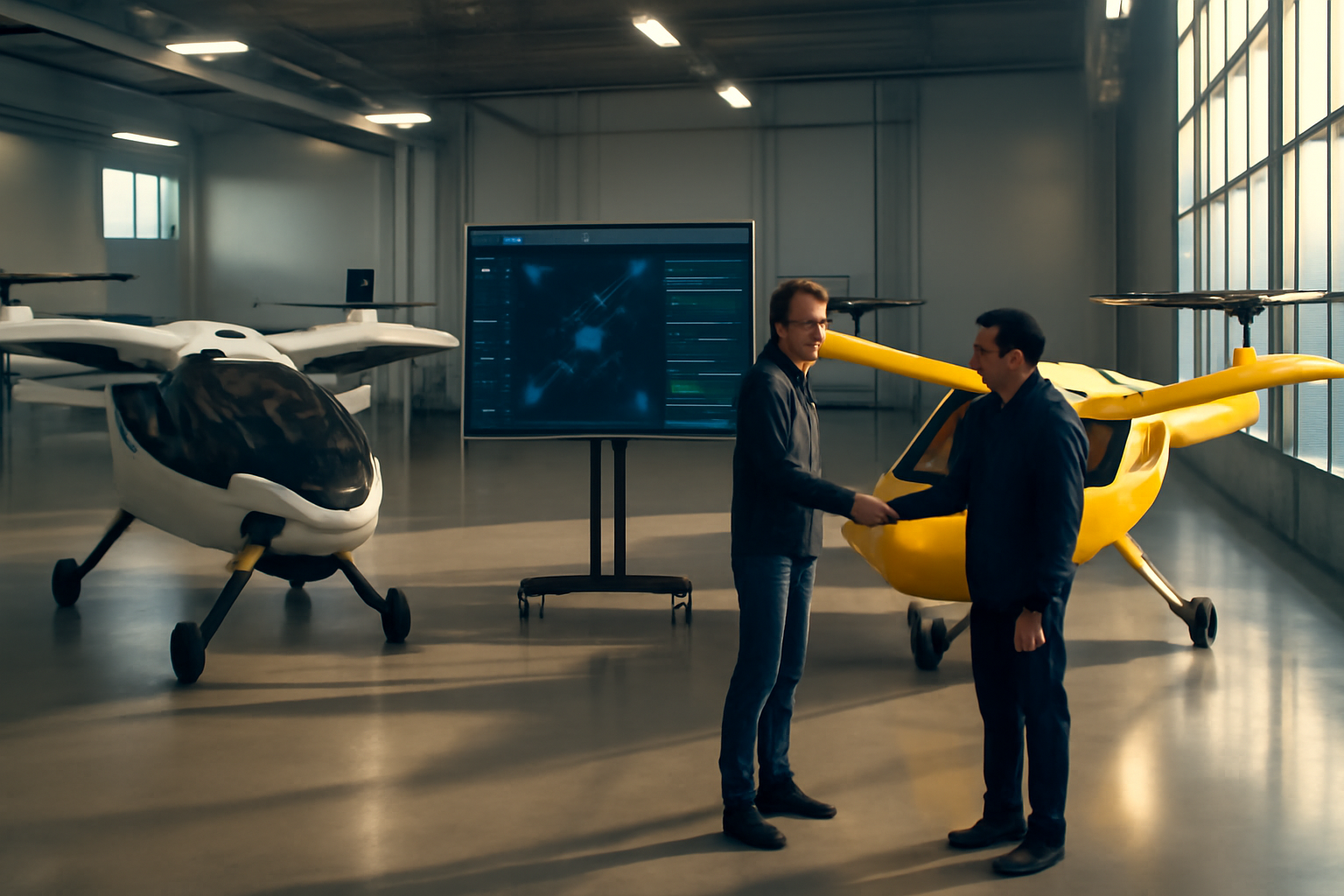
In a landmark consolidation that reshapes the eVTOL and autonomous drone landscape, Boeing announced on Monday that it has agreed to sell three key subsidiaries—Wisk Aero, Insitu, and SkyGrid—to Archer Aviation in exchange for an equity stake in the combined entity. This strategic transaction marks a significant pivot for Boeing’s urban air mobility strategy and positions Archer as a major consolidated player in the emerging personal air mobility sector.
Boeing’s Strategic Exit from Direct eVTOL Operations
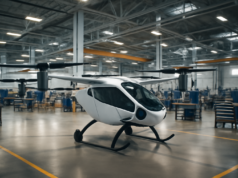
Boeing’s decision to divest Wisk Aero represents a notable shift in the aerospace giant’s approach to urban air mobility. Wisk, known for its autonomous electric vertical takeoff and landing (eVTOL) aircraft technology, has been a flagship project in Boeing’s innovation portfolio. By transferring the company to Archer, Boeing effectively consolidates fragmented eVTOL assets and acknowledges the capital-intensive nature of bringing aircraft to commercial certification and production scale.
This move reflects broader industry trends where large aerospace companies are recognizing that agile, focused startups may be better positioned to navigate the complex regulatory environment and rapidly evolving technical standards of the eVTOL sector. Rather than competing directly, Boeing has opted to maintain strategic involvement through its equity position while reducing operational overhead and financial burden.
The transaction also signals Boeing’s confidence in Archer Aviation’s leadership and business model. By taking an equity stake rather than a complete exit, Boeing retains upside potential and maintains influence over key technology decisions, demonstrating that the company believes in the long-term viability of the combined entity’s direction.
Insitu and SkyGrid: Strengthening Drone and Operations Technology
Insitu, Boeing’s autonomous systems subsidiary specializing in medium-altitude long-endurance (MALE) drones and tactical unmanned aircraft systems, brings decades of operational expertise and government relationships to Archer. This acquisition enables Archer to expand beyond passenger-focused eVTOL operations into broader autonomous systems and industrial drone applications, diversifying revenue streams and market exposure.
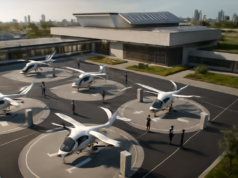
SkyGrid, Boeing’s digital platform for autonomous air traffic management and unmanned traffic management (UTM), represents perhaps the most strategically critical asset in the transaction. UTM infrastructure is essential for enabling safe, scalable operations of multiple aircraft in shared airspace—a prerequisite for commercial eVTOL networks. By integrating SkyGrid with Archer’s operations, the company gains a comprehensive stack spanning aircraft, flight operations software, and airspace infrastructure.
The combination of these three subsidiaries with Archer’s existing capabilities creates unprecedented vertical integration in the air mobility space. Rather than fragmented point solutions, customers and regulators will now interact with a unified ecosystem where aircraft design, manufacturing, operations, and airspace management are all coordinated under a single business entity. This integration advantage could accelerate time-to-market and reduce friction in regulatory certification processes.
Archer Aviation’s Path to Market Leadership
Archer Aviation, already a prominent eVTOL developer with multiple prototype aircraft in development and regulatory milestones achieved, now gains complementary technologies and operational expertise that significantly strengthen its competitive position. The company’s existing focus on passenger-carrying electric vertical aircraft now expands to include cargo operations, industrial applications, and critical infrastructure partnerships enabled by Insitu’s heritage and relationships.
With Boeing’s equity stake, Archer also secures a powerful institutional investor and potential partner for supply chain optimization, manufacturing scale-up, and market access. Boeing’s aerospace credentials and customer relationships open doors in commercial aviation, military procurement, and logistics sectors that might otherwise take years for a startup to penetrate. This validation effect cannot be overstated in an industry where regulatory approval and customer confidence are paramount.
The transaction also positions Archer to pursue strategic partnerships and additional funding rounds with enhanced credibility. Investors will view Archer as a company backed by a major aerospace and defense contractor, substantially de-risking the venture from a corporate stability perspective. This could accelerate development timelines and reduce the capital requirements for certification and manufacturing scale-up.
Industry Consolidation and Competitive Dynamics
Boeing’s sale reflects the ongoing industry consolidation trend in the eVTOL space, where fragmentation has made it increasingly difficult for smaller players to achieve scale and viability. Rather than a one-off transaction, this represents a strategic pattern where established aerospace companies are curating portfolios of specialized technology and talent by integrating smaller, focused firms. This consolidation paradoxically makes the market more competitive by creating fewer, but stronger, integrated competitors.
Other aerospace giants are likely to follow suit, either through similar acquisitions or through strategic partnerships that achieve similar integration benefits. The eVTOL market is increasingly bifurcating between well-capitalized integrated players backed by major aerospace companies and highly specialized niche technology providers serving specific applications. Archer, now backed by Boeing capital and technology, sits squarely in the first category.
For regulators, consolidation simplifies oversight and creates clearer accountability chains. Instead of managing hundreds of fragmented startups with unclear governance and funding stability, aviation authorities can focus on fewer, more established entities with transparent organizational structures and long-term viability. This should accelerate the regulatory approval process and increase public confidence in the safety and reliability of urban air mobility systems.
Key Takeaways from the Boeing-Archer Transaction
- Boeing transfers Wisk (eVTOL), Insitu (autonomous drones), and SkyGrid (UTM software) to Archer Aviation while maintaining strategic equity stake in combined entity.
- Integration creates vertically-aligned ecosystem spanning aircraft design, manufacturing, flight operations, and airspace management under unified command.
- Consolidation demonstrates industry shift toward capital-efficient partnerships between startups and established aerospace companies for faster market deployment.
The Boeing-Archer transaction represents a watershed moment for the eVTOL industry, signaling that the era of fragmented, siloed companies is ending. By combining world-class aircraft development (Wisk), autonomous systems expertise (Insitu), and critical infrastructure technology (SkyGrid) under Archer’s leadership with Boeing’s financial backing, the deal creates an integrated player capable of executing on the full vision of urban air mobility—from hardware to software to airspace operations. For the industry, this consolidation should accelerate the path to certification, deployment, and commercial viability of the next generation of transportation systems.