HIGHLIGHTS
- Defense applications are now a primary growth driver for EV drone battery demand, according to Benchmark’s latest analysis.
- Military and defense sectors are accelerating adoption of electric vertical takeoff aircraft and autonomous systems worldwide.
- Specialized battery requirements for defense drones differ significantly from commercial applications, reshaping supply chain strategies.
The global defense sector is emerging as an unexpected but increasingly significant driver of battery demand for electric vertical takeoff and landing (eVTOL) drones and personal air mobility systems. According to recent analysis from Benchmark, a leading research firm specializing in battery technology and supply chains, defense applications are reshaping market forecasts and creating new opportunities within the Non-road Mobile Machinery (NRMM) category. This shift reflects a broader trend where geopolitical tensions and modernization initiatives are accelerating military investment in unmanned aerial systems powered by advanced battery technology.
Defense Sector Becomes Key Battery Demand Driver
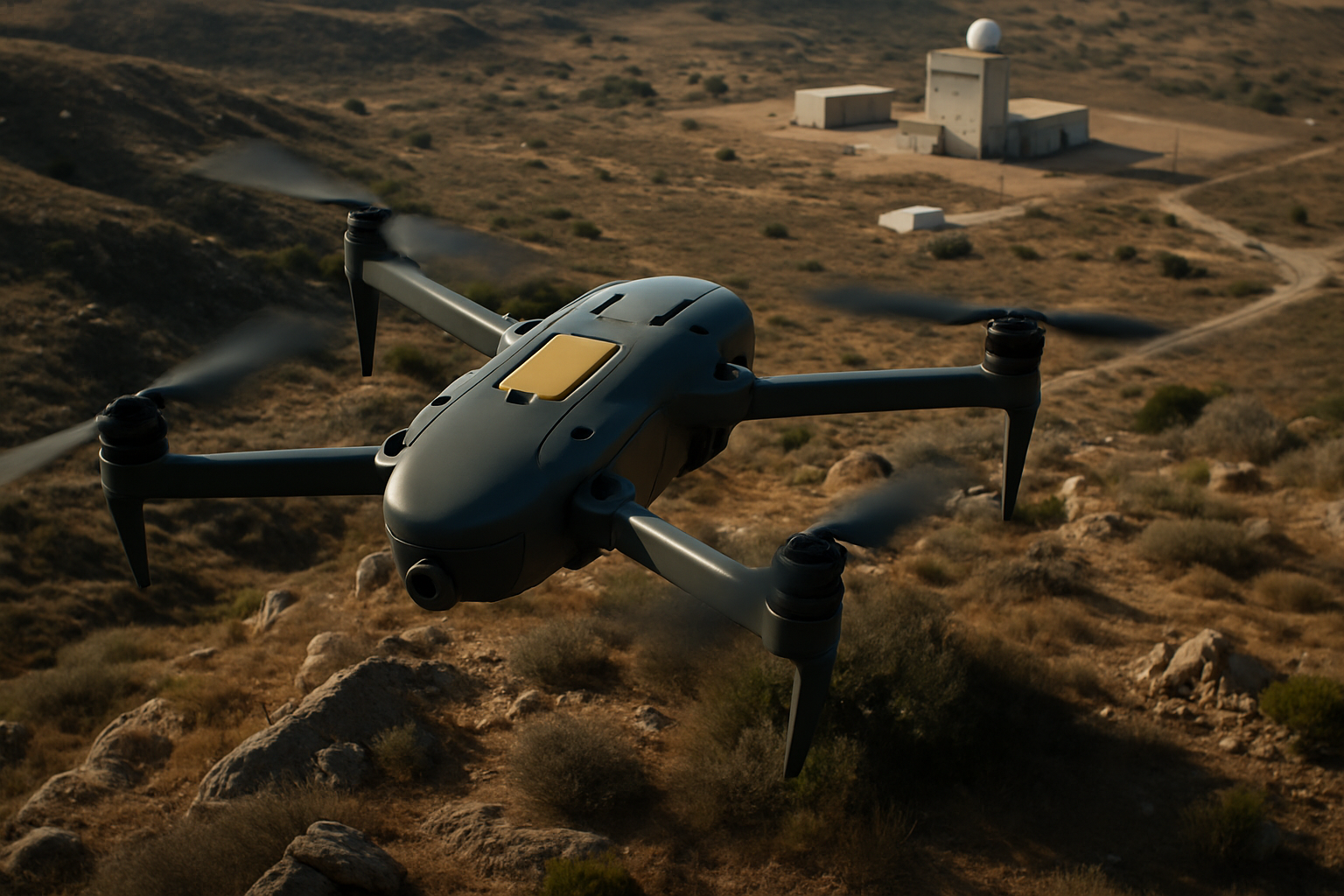
Military and defense organizations worldwide are rapidly integrating electric drones into their operational arsenals, fundamentally changing battery market dynamics. Unlike commercial applications focused primarily on passenger transport or logistics, defense drones require batteries optimized for endurance, reliability under extreme conditions, and rapid deployment capabilities. This specialized demand is creating distinct market segments within the broader EV drone industry, with defense requirements often exceeding those of civilian counterparts in terms of performance specifications and durability standards.
The surge in defense drone procurement is directly linked to recent geopolitical developments, including Russia’s ongoing military operations and subsequent escalations in defense spending by NATO allies and regional powers. These factors have prompted governments to accelerate acquisition timelines for autonomous systems, unmanned aerial vehicles (UAVs), and supporting infrastructure. Battery manufacturers are now receiving priority requests from defense contractors and military procurement agencies, fundamentally reshaping supply chain allocation and investment decisions across the industry.
Benchmark’s analysis indicates that defense applications represent a substantial and growing share of the Non-road Mobile Machinery battery market, a category that encompasses agricultural equipment, construction machinery, and military systems. The inclusion of defense drone batteries in this classification underscores the diverse applications driving demand within the broader EV and electrification sector. As military budgets expand globally, battery manufacturers are positioning themselves to capture this lucrative but demanding market segment.
Specialized Battery Requirements for Military Applications
Defense EV drones operate under conditions that differ significantly from commercial or consumer applications, necessitating batteries with enhanced performance characteristics. Military systems must function reliably in extreme temperatures, high-altitude environments, rapid-deployment scenarios, and conditions where failure is not acceptable. These requirements drive innovation in battery chemistry, thermal management systems, and structural integration, creating technical challenges that push the boundaries of current battery technology.
Endurance is a critical specification for defense drones, where extended flight times directly translate to operational effectiveness and mission success rates. Unlike commercial drones optimized for payload capacity or speed, military systems often prioritize sustained performance over extended periods. This has led battery manufacturers to explore energy-dense chemistries, advanced thermal regulation systems, and redundant power configurations that provide operational margins unavailable in civilian applications. The resulting batteries are typically more expensive and specialized than their commercial equivalents.
Reliability and consistency are non-negotiable in defense applications where system failures can have life-or-death consequences. Military procurement agencies impose rigorous testing protocols, qualification standards, and performance verification procedures that exceed commercial requirements. Battery manufacturers must invest in quality assurance, traceability systems, and long-term reliability testing to meet these demands. This emphasis on reliability is driving manufacturers to develop premium product lines specifically designed for defense customers, creating a bifurcated market structure within the broader battery industry.
Global Defense Spending Expansion and Supply Chain Implications
The geopolitical landscape has shifted dramatically in recent years, with military spending reaching historic levels in many developed nations. European NATO members, in particular, have significantly increased defense budgets following Russia’s invasion of Ukraine, creating urgency for military modernization and capability development. This expansion directly benefits EV drone manufacturers and battery suppliers, who are now receiving accelerated purchase orders and long-term supply contracts from government agencies and defense contractors.
Supply chain dynamics are shifting in response to this defense-driven demand. Battery manufacturers are expanding production capacity, investing in specialized facilities, and forming strategic partnerships with defense contractors to secure their positions in this growing market. Semiconductor shortages, raw material constraints, and manufacturing bottlenecks that affect commercial applications have lesser impact on well-funded defense programs, which can absorb higher costs and secure priority access to critical materials and components.
The implications extend beyond simple demand growth, affecting raw material sourcing strategies, manufacturing location decisions, and investment priorities across the battery supply chain. Companies positioning themselves as trusted suppliers to defense agencies gain long-term revenue stability and leverage that extends to commercial markets. This is creating a new tier of specialty battery manufacturers focused exclusively on defense and mission-critical applications, complementing the larger commercial-focused producers.
Innovation and Technology Development in Defense EV Drones
Defense investment in EV drone technology is accelerating innovation cycles and pushing boundaries in battery performance, autonomy, and system integration. Military research and development budgets fund advanced projects exploring next-generation battery chemistries, solid-state power systems, and energy harvesting technologies that eventually transfer to commercial applications. This defense-led innovation creates spillover benefits for the broader EV and personal air mobility industry.
Autonomous capability is a central focus for defense drone development, with military applications driving innovation in flight control systems, obstacle avoidance, swarm coordination, and artificial intelligence integration. These autonomous systems rely on batteries that can support continuous computing loads, sensor operation, and communication systems in addition to propulsion. The power management challenges associated with advanced autonomy are creating new battery design requirements and driving demand for integrated power electronics solutions.
The transition from manned to unmanned military systems is accelerating investment in drone technology across all military services and allied nations. This structural shift in defense procurement creates sustained, long-term demand for EV drone batteries rather than temporary market fluctuations. As countries invest in drone fleets, training programs, and supporting infrastructure, battery manufacturers can project multi-year revenue streams and plan strategic capacity expansions with confidence.
Key Takeaways for the EV Drone Industry
- Defense agencies are prioritizing EV drone procurement and modernization, creating sustained demand for specialized battery systems.
- Military battery requirements differ significantly from commercial applications, driving development of premium product lines and specialized manufacturing capabilities.
- Geopolitical factors and defense spending expansion create multi-year revenue opportunities for battery manufacturers focused on mission-critical applications.
The emergence of defense applications as a primary battery demand driver represents a significant shift in the EV drone market landscape. While commercial personal air mobility and logistics applications remain important, defense sector adoption is reshaping industry forecasts, supply chain priorities, and investment strategies. Battery manufacturers, drone developers, and equipment suppliers are adjusting their business models to capitalize on this defense-driven growth, creating new specialized market segments within the broader electrification industry. As geopolitical tensions persist and military modernization initiatives continue globally, defense EV drones will remain a critical driver of battery innovation, production capacity expansion, and industry growth through the remainder of this decade.