
HIGHLIGHTS
- Utah successfully conducted the first demonstration flight of a hybrid-electric aircraft in Davis County, validating propulsion technology that combines gas engines with electric motors for extended range and reduced emissions.
- Hybrid-electric eVTOL systems overcome battery limitations of pure electric aircraft while achieving dramatic emissions reductions compared to conventional aviation, creating viable solutions for 100-300 mile regional routes.
- The demonstration flight provides empirical data supporting FAA regulatory pathways and positions Utah as a hub for advanced air mobility development with competitive advantages in aerospace innovation and commercialization.
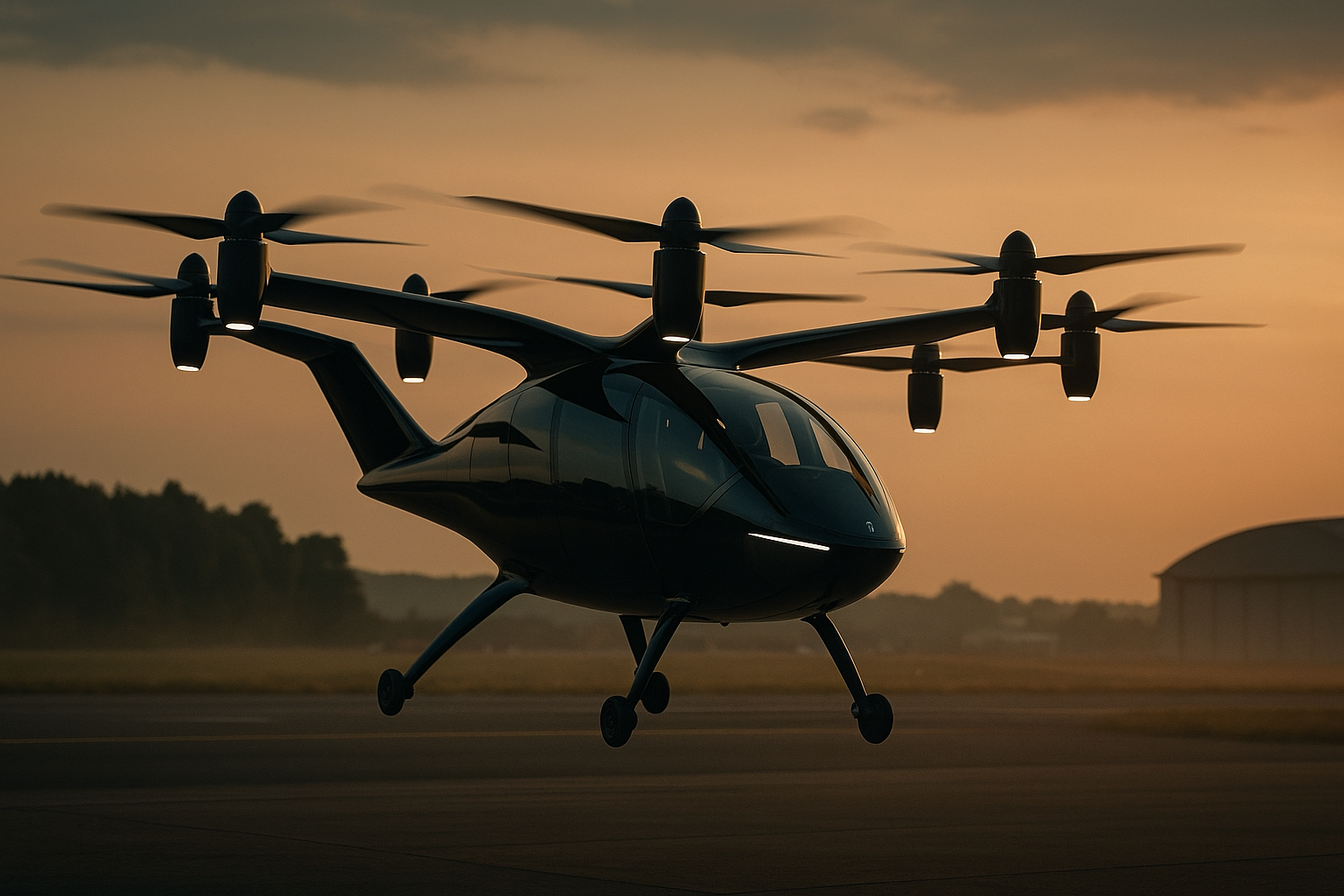
Utah has taken a significant step forward in the evolution of personal air mobility with the successful demonstration flight of a hybrid-electric aircraft in Davis County. This milestone represents a crucial validation of next-generation aviation technology that could transform regional transportation networks across North America. The test flight showcases the practical application of hybrid-electric propulsion systems, combining traditional combustion engines with electric motors to create more efficient, sustainable aircraft capable of vertical takeoff and landing operations.
The Significance of Utah’s Hybrid-Electric Milestone
The demonstration flight conducted in Davis County marks a pivotal moment for the eVTOL industry and broader aviation sector. Utah has positioned itself as a testing ground for innovative aerospace technologies, attracting manufacturers and developers seeking to validate next-generation aircraft designs in real-world conditions. This particular hybrid-electric aircraft represents years of research and engineering designed to overcome the range limitations that have historically constrained pure electric vertical takeoff and landing vehicles.
Hybrid-electric propulsion offers a practical bridge between current aviation capabilities and the fully electric future many in the industry envision. By combining a gas engine that powers a generator with electric motors driving the rotors or fans, this architecture extends operational range while reducing emissions compared to conventional aircraft. The demonstration in Utah provides valuable data on performance characteristics, handling qualities, and system reliability that will inform the next generation of commercially viable eVTOL aircraft.
For Utah specifically, this achievement reinforces the state’s growing reputation as a hub for aerospace innovation and development. The successful test flight attracts industry attention and positions the region for potential future manufacturing, service, and operational bases for advanced air mobility companies. As the aviation ecosystem evolves, early adopters like Utah build competitive advantages in workforce development, infrastructure partnerships, and regulatory experience.
Hybrid-Electric Propulsion Technology Explained
Hybrid-electric propulsion systems operate on a fundamentally different principle than purely electric or traditional combustion aircraft. In a hybrid configuration, a fossil fuel engine (typically running on jet fuel, gasoline, or sustainable aviation fuel) drives an electrical generator rather than directly powering a propeller or rotor. The generator charges battery packs and provides real-time electrical power to electric motors that drive the aircraft’s lifting surfaces or thrust systems. This architecture eliminates the direct mechanical connection between engine and propeller, allowing engineers to optimize each component independently.
The advantages of hybrid-electric systems for vertical takeoff and landing applications are substantial. Pure electric eVTOL aircraft face severe weight and range penalties from battery technology—a vehicle designed for 30-minute missions requires massive battery packs that dominate vehicle mass and cost. Hybrid systems dramatically extend range and payload capacity while maintaining the environmental benefits of electric motors for the actual propulsion during critical flight phases. Additionally, hybrid architectures reduce peak power demands on batteries, extending their operational lifespan and reducing degradation rates that significantly impact lifecycle costs.
The demonstration flight in Utah tested real-world performance across multiple parameters including vertical takeoff dynamics, transition to forward flight, cruise efficiency, and landing characteristics. Engineers collected data on power distribution between the internal combustion engine and battery pack, thermal management of hybrid systems, and control authority during various flight regimes. This empirical validation proves essential before manufacturers can confidently scale hybrid-electric designs for commercial service, where reliability and predictability directly impact safety and profitability.
Regulatory and Infrastructure Implications
The Utah demonstration flight occurs within an evolving regulatory landscape where federal, state, and local authorities continue developing standards for advanced air mobility operations. The Federal Aviation Administration (FAA) has established special flight authorization and airworthiness evaluation processes for novel aircraft designs, but the path to commercial certification remains complex and lengthy. Successful demonstration flights like Utah’s provide essential evidence supporting certification pathways and help regulators understand the practical capabilities and limitations of emerging technologies.
Infrastructure considerations extend beyond airspace management and landing zone development. Hybrid-electric aircraft require specialized ground support systems including rapid refueling capabilities, battery charging infrastructure, and maintenance facilities equipped to service hybrid powerplant systems. The presence of demonstration flights in Utah helps local authorities and private developers understand infrastructure requirements and plan strategically for commercial operations that may follow successful certifications. Communities that invest early in eVTOL infrastructure position themselves to capture economic benefits once these services become commercially viable.
Insurance, liability, and operational regulations must also evolve in parallel with aircraft technology development. The demonstration in Davis County contributes to the collective knowledge base that policymakers use when establishing rules governing low-altitude airspace operations, emergency procedures, and accident investigation protocols. Each successful flight test reduces uncertainty and builds confidence among stakeholders that these advanced systems can operate safely alongside traditional aviation and ground transportation networks.
Market Opportunities in Regional Air Mobility
Hybrid-electric aircraft open new possibilities for regional point-to-point transportation that conventional aircraft cannot efficiently serve. Routes spanning 100 to 300 miles—distances too long for current pure electric eVTOL concepts but too short for efficient turboprop or regional jet operations—represent a significant market opportunity. Medical transport, emergency response, executive transport, and tourism applications all benefit from hybrid-electric aircraft capable of vertical takeoff without requiring large developed airports. Utah’s geography, with dispersed communities and challenging terrain, makes the state particularly well-suited for evaluating hybrid-electric aircraft in realistic operational scenarios.
The demonstration flight validates technology that manufacturers and operators believe can achieve attractive unit economics. By extending range beyond pure electric limitations while reducing operating costs compared to traditional aircraft, hybrid-electric eVTOL vehicles target a market segment currently underserved by existing transportation modes. Regional air mobility networks could reduce travel times while improving accessibility to remote or underserved communities, creating compelling value propositions for both operators and customers willing to pay premium fares for revolutionary transportation capabilities.
Davis County and broader Utah regions possess natural advantages for hybrid-electric eVTOL market development. Altitude and climate conditions typical of the Intermountain West challenge aircraft performance and provide excellent testing environments. Local universities, aerospace facilities, and emerging manufacturing clusters create ecosystem conditions favorable for sustained development and eventual commercialization of advanced air mobility services. The demonstration flight serves as a beacon attracting additional investment and corporate attention to the region.
Technical Achievements and Industry Impact
The successful demonstration flight confirms that hybrid-electric propulsion systems can achieve the performance characteristics required for practical vertical takeoff and landing operations. Vertical takeoff demands peak power output that pure electric systems struggle to sustain without massive battery packs, making the generator-battery hybrid architecture particularly effective. The aircraft demonstrated controlled hovering, vertical climb, forward flight transitions, and landing operations—the full envelope of capabilities required for commercial operations. These achievements validate engineering approaches and provide confidence to potential investors and customers considering hybrid-electric aircraft for their transportation needs.
From an industry perspective, the Utah demonstration flight strengthens the business case for hybrid-electric architecture as an interim solution during the transition toward fully electric aviation. While battery technology continues improving at impressive rates, most industry analysts acknowledge that fully electric regional aircraft and vertical takeoff vehicles will require another decade or more of technological advancement to match the performance envelope that hybrid systems can deliver today. Companies pursuing hybrid-electric designs position themselves to capture significant market share during the critical next 10-15 years when advanced air mobility transitions from concept to commercial reality.
The demonstration also demonstrates manufacturing and operational readiness that should attract increased attention from investors and strategic partners. Successful flight tests reduce technical risk perception and support compelling investment narratives. Aerospace suppliers, aircraft operators, and infrastructure developers monitoring the Utah program now possess concrete evidence that hybrid-electric eVTOL technology works in practice, not merely in theory. This confidence translates into capital commitments, partnerships, and planning initiatives that accelerate the commercialization timeline across the emerging advanced air mobility industry.
Key Takeaways from Utah’s Hybrid-Electric Breakthrough
- Utah’s successful hybrid-electric aircraft demonstration validates propulsion architecture that extends range and payload capabilities beyond pure electric eVTOL limitations while reducing emissions compared to conventional aircraft.
- The flight test provides empirical data supporting regulatory pathways and helps policymakers establish standards for advanced air mobility operations in low-altitude airspace.
- Hybrid-electric systems enable viable regional air mobility services for 100-300 mile routes currently underserved by existing transportation, creating substantial market opportunities in medical transport, emergency response, and tourism applications.
Utah’s historic demonstration flight of hybrid-electric vertical takeoff and landing aircraft represents a watershed moment for advanced air mobility development. By successfully validating hybrid-electric propulsion in practical flight operations, the state has contributed essential knowledge advancing the entire industry toward commercial reality. The performance data, operational insights, and validation outcomes from the Davis County demonstration flight will influence aircraft development priorities, regulatory frameworks, and business planning across aerospace manufacturers, service operators, and infrastructure developers worldwide. As technology matures and regulatory pathways clarify, regions like Utah that invested early in advanced air mobility innovation will find themselves positioned at the center of one of the most transformative transportation revolutions of the 21st century.