HIGHLIGHTS
- Joby Aviation announces plans to launch commercial air taxi services in Dallas-Fort Worth, marking a major geographic expansion for eVTOL operations in a sprawling metropolitan area.
- DFW’s geography, traffic congestion, and business-heavy demographics create strong economic fundamentals for air taxi services connecting airports, downtown districts, and corporate hubs.
- Commercial operations expected in 2027-2028 following 18-24 months of vertiport infrastructure development and FAA certification, with regulatory frameworks continuing to evolve.
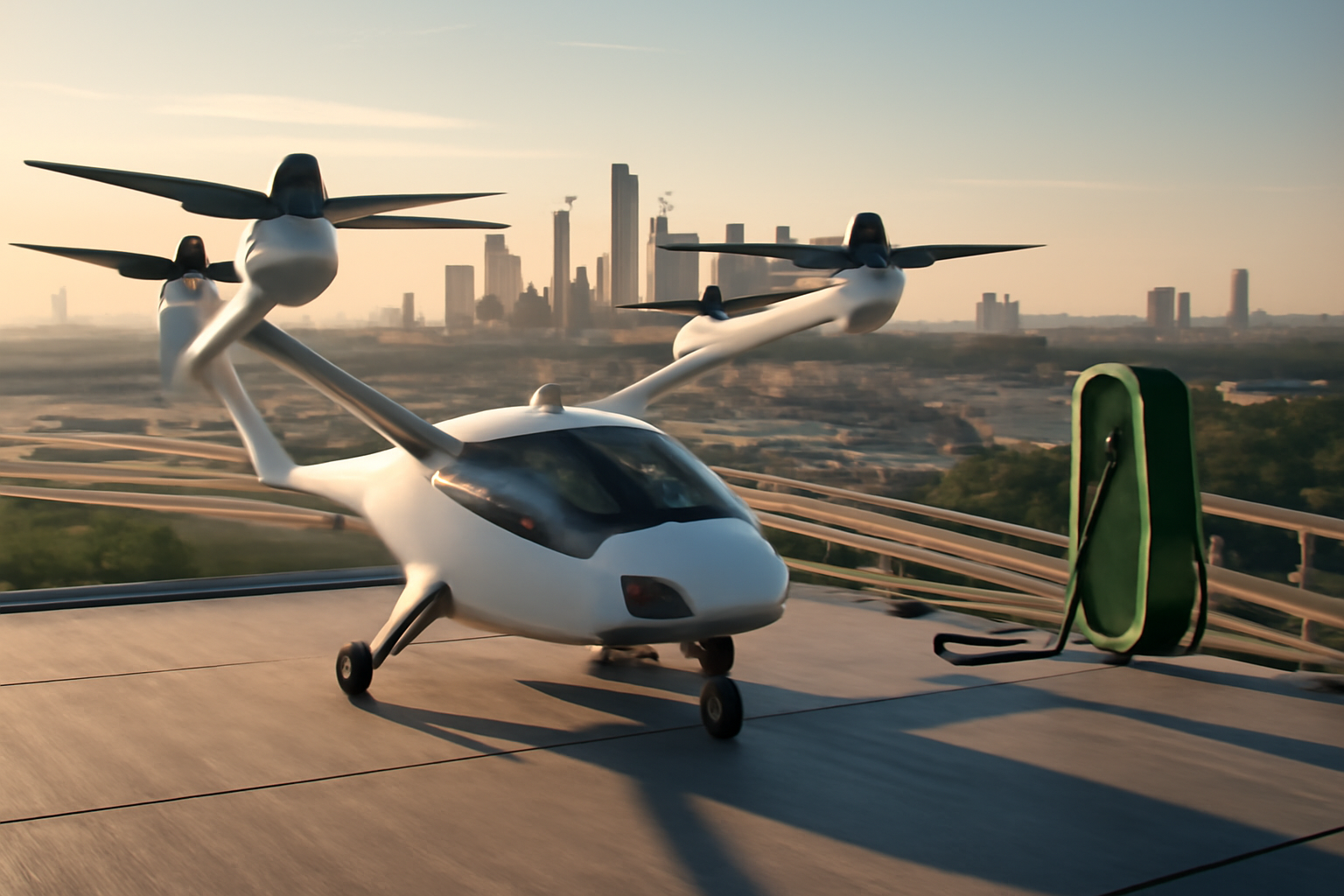
The electric air taxi industry is accelerating toward mainstream adoption, and Dallas-Fort Worth is positioned to become the next major hub for personal air mobility. Joby Aviation, a leading eVTOL manufacturer, has announced plans to bring its commercial air taxi service to the Dallas-Fort Worth metroplex, signaling a pivotal moment for urban air mobility in the United States. This development represents not only a geographic expansion for Joby but also validates the growing demand for alternative transportation solutions in major metropolitan areas facing increasing traffic congestion.
Joby Aviation’s Expansion into Dallas-Fort Worth
Joby Aviation’s move into the Dallas-Fort Worth region marks a significant milestone for the company’s commercialization roadmap. The DFW metroplex, with its sprawling geography and challenging traffic conditions, represents an ideal market for electric air taxi services. The region’s rapid population growth and economic vitality make it a natural candidate for innovative transportation solutions that can reduce commute times and alleviate ground-level congestion.
The Dallas-Fort Worth area encompasses multiple urban centers across a wide geographic footprint, making traditional public transportation less efficient than in more densely packed cities. Air taxi services could bridge the gap between downtown Dallas and Fort Worth, connect business hubs like the Dallas/Fort Worth International Airport with corporate centers, and provide rapid transit options for business professionals traveling across the sprawling metroplex.
Joby’s selection of DFW demonstrates the company’s strategic focus on high-value, high-demand markets. Rather than launching in a single downtown corridor, Joby can leverage the region’s geography to create multiple vertiport locations and flight corridors, maximizing operational efficiency and revenue potential from day one.
The Business Case for Urban Air Mobility in Texas
Texas has emerged as a key battleground for personal air mobility innovation, with multiple companies and regulatory bodies prioritizing the state for early deployment. The combination of favorable weather conditions, relatively business-friendly regulations, and significant venture capital investment has made Texas an attractive proving ground for eVTOL operators.
The Dallas-Fort Worth metroplex generates approximately 8 million daily vehicle trips, many of which involve single-occupancy commutes. Even capturing a small percentage of premium-priced air taxi rides could create substantial revenue opportunities. Business travelers, high-net-worth individuals, and corporate clients represent the primary initial market segment willing to pay premium fares for the speed and convenience advantages air taxis offer.
The economic impact extends beyond ticket sales. Vertiport development, maintenance facilities, charging infrastructure, and support services create local employment opportunities and attract additional investment. Cities like Dallas and Fort Worth are increasingly recognizing urban air mobility as part of their broader smart city and sustainability initiatives, offering regulatory support and infrastructure investments to attract operators like Joby.
Technical Requirements and Infrastructure Development
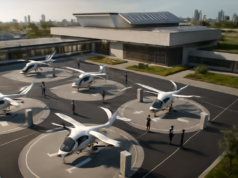
Launching commercial operations in Dallas-Fort Worth requires Joby to develop a comprehensive infrastructure network. Vertiports—specialized landing and charging facilities—must be strategically located at high-demand origin and destination points. Initial deployments typically focus on connecting airports, downtown business districts, hotels, and corporate campuses where customer demand is highest and regulatory oversight is most manageable.
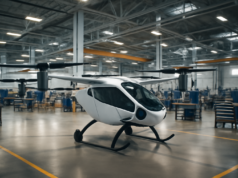
Joby’s eVTOL aircraft offer several advantages for urban operations: zero direct emissions, low noise levels (approximately 70 decibels at takeoff, comparable to a lawnmower), and vertical takeoff capability that eliminates the need for expensive runway infrastructure. Each aircraft can carry four to five passengers plus a pilot, making operational economics viable for premium-priced point-to-point routes with sufficient demand.
The infrastructure development timeline is critical. Vertiport construction, ground support equipment procurement, and integration with local air traffic control systems typically require 18-24 months from planning to operational readiness. Joby’s timeline for Dallas-Fort Worth launch will depend on permitting, land acquisition, and FAA certification progress, with most industry analysts expecting commercial operations to begin in 2027-2028.
Regulatory Pathway and FAA Certification
The FAA has been working to establish the regulatory framework necessary for commercial eVTOL operations under Part 135 (air taxi) regulations. Joby has been actively engaged in this process, conducting extensive flight testing and safety demonstrations to support certification applications. The Dallas-Fort Worth entry represents a vote of confidence in the FAA’s ability to certify and oversee these new aircraft types.
Safety certification remains the most critical regulatory hurdle. The FAA requires comprehensive evidence of safe operation across normal and emergency conditions, including demonstrations of reliability, redundancy, and passenger safety. Joby’s aircraft must meet or exceed safety standards equivalent to traditional rotorcraft and commercial aircraft, with particular emphasis on autonomous systems, emergency procedures, and failure mode analysis.
Beyond aircraft certification, Dallas-Fort Worth operations will require coordination with local authorities regarding noise restrictions, flight corridors, weather procedures, and emergency response protocols. The complex airspace around DFW International Airport adds additional certification requirements, as Joby must demonstrate safe integration with existing commercial and general aviation traffic.
Market Competition and Industry Growth Trajectory
Joby is not alone in pursuing Dallas-Fort Worth opportunities. Other eVTOL manufacturers including Archer Aviation, Lilium, and regional players are evaluating Texas markets for early commercial deployment. This competitive landscape accelerates innovation while increasing investor confidence in the overall market viability of urban air mobility.
The global eVTOL market is projected to generate tens of billions in revenue by 2035, with North American operators capturing a substantial share. Early movers in major metropolitan areas like Dallas-Fort Worth establish brand recognition, operational expertise, and regulatory relationships that provide competitive advantages as the market expands to additional cities and routes.
Joby’s announcement also reflects the company’s financial position and investor confidence. The company has raised significant capital from aviation industry veterans, tech entrepreneurs, and strategic investors including Toyota. This funding supports the extended certification timeline and infrastructure development required before revenue-generating commercial operations begin.
Key Takeaways from Joby’s DFW Entry
- Joby Aviation plans to launch commercial electric air taxi services in Dallas-Fort Worth, positioning the metroplex as a major hub for urban air mobility operations and validating market demand for premium point-to-point transportation.
- The DFW region’s sprawling geography, traffic congestion, and business-heavy demographics create strong economic fundamentals for air taxi services, with vertiports strategically connecting downtown areas, airports, and corporate centers.
- Commercial operations require 18-24 months of infrastructure development and FAA certification, with launch expected in 2027-2028, while regulatory frameworks continue to evolve to ensure safety parity with traditional aviation.
Joby Aviation’s move into Dallas-Fort Worth marks a watershed moment for electric air taxi commercialization in the United States. The company’s confidence in the market, supported by significant capital backing and regulatory progress, suggests that personal air mobility is transitioning from concept to operational reality. As infrastructure develops and regulatory pathways clarify, Dallas-Fort Worth residents and business travelers will soon have access to transportation options that seemed purely speculative just years ago. The next 18-24 months will prove critical for demonstrating that urban air mobility can achieve the safety, reliability, and economic viability necessary for sustainable growth beyond early-adopter markets.