HIGHLIGHTS
- Volkswagen abandoned its V.MO eVTOL program in China after years of investment, citing regulatory obstruction and unfavorable business economics.
- Chinese regulatory authorities imposed extensive certification requirements with no clear approval pathway, making commercialization impossible for the foreign manufacturer.
- The V.MO failure signals that technical capability alone cannot overcome market unpreparedness and demonstrates why eVTOL business models remain fundamentally unproven at scale.
Volkswagen’s venture into personal air mobility came to an abrupt end in 2026 when the German automotive giant abandoned its V.MO eVTOL program in China. What was once positioned as a cutting-edge flying car initiative, backed by significant R&D investment and engineering expertise, ultimately failed to overcome the obstacles that plague the nascent eVTOL industry. The collapse of this program reveals critical lessons about the challenges facing established automakers attempting to break into the emerging air mobility market.
Volkswagen’s Ambitious Entry into eVTOL Development
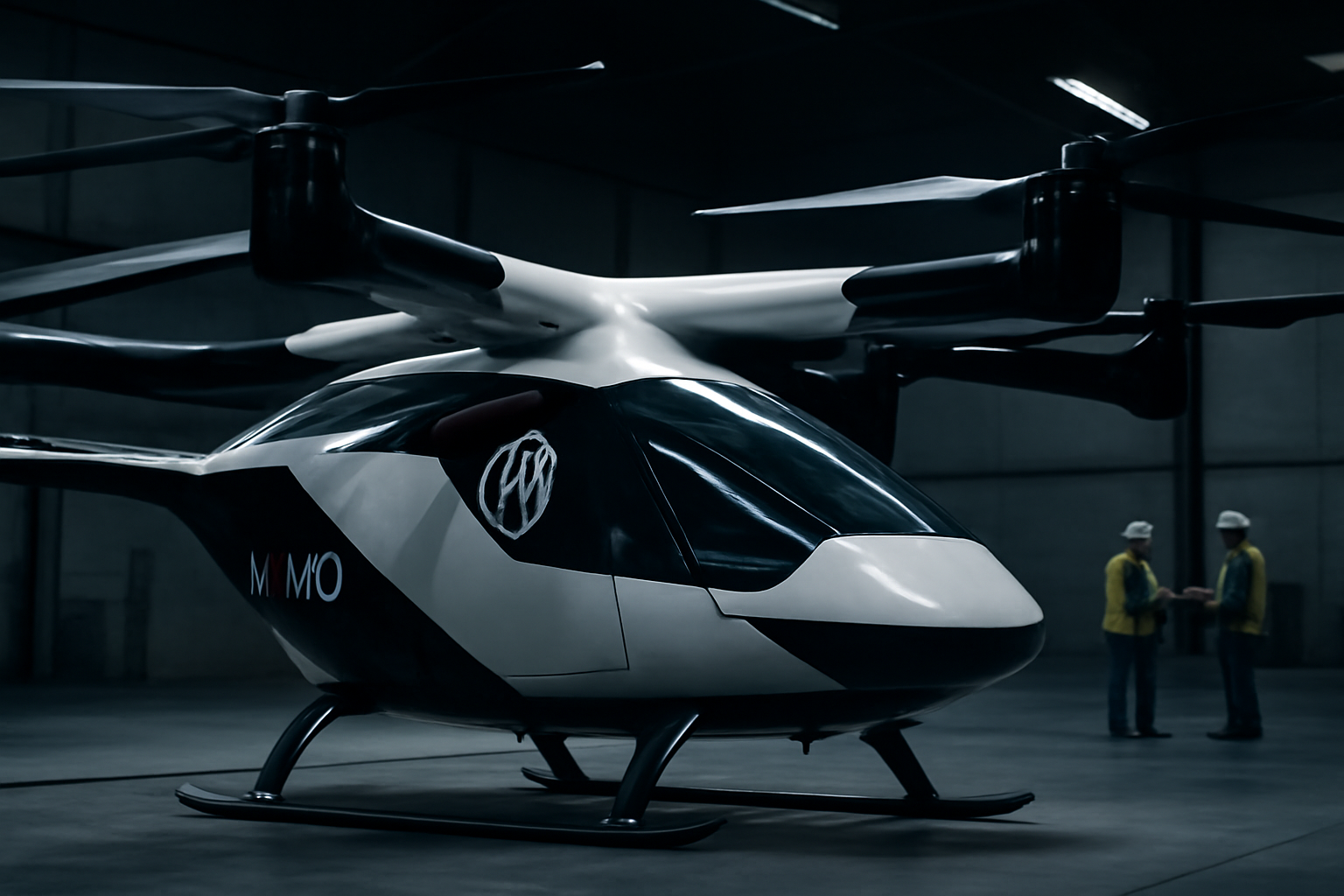
Volkswagen’s decision to develop the V.MO eVTOL represented the company’s strategic bet on the future of urban air mobility. Leveraging its automotive manufacturing heritage and engineering capabilities, VW aimed to create a viable electric vertical takeoff and landing aircraft that could revolutionize urban transportation in China, one of the world’s largest and most innovative markets for mobility solutions. The company invested substantial resources into developing prototypes and establishing partnerships with local stakeholders.
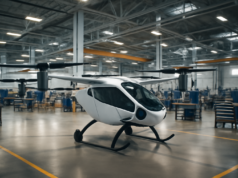
The V.MO program aligned with Volkswagen’s broader electrification strategy and corporate sustainability commitments. Unlike some competitors entering the eVTOL space as startups with limited resources, Volkswagen brought established manufacturing infrastructure, supply chain expertise, and brand credibility. The company built two working prototypes, demonstrating technical capability and genuine commitment to the project. These prototypes were intended to serve as proof-of-concept vehicles for regulatory approval and market validation in China.
However, the program’s foundation was built on assumptions about market readiness and regulatory frameworks that would prove overly optimistic. Volkswagen underestimated the complexity of establishing new aviation categories in China and the regulatory resistance that would emerge as safety and airspace management concerns mounted. The company’s entry into eVTOL also coincided with intensifying competition from both startups and other established OEMs, fragmenting investor confidence in the sector’s near-term profitability.
Regulatory and Certification Hurdles in China
China’s regulatory environment for eVTOL aircraft remains one of the most opaque and restrictive globally. While the country’s government has publicly expressed interest in advanced air mobility and urban air transportation, actual approval pathways for commercial eVTOL operations remain undefined and constantly evolving. Volkswagen faced a bureaucratic maze involving multiple agencies—aviation authorities, airspace management divisions, safety regulators, and local governments—each with different requirements and timelines.
The certification process demanded by Chinese authorities far exceeded what Volkswagen had anticipated. Regulators required extensive airworthiness testing, environmental impact assessments, and noise pollution studies before any flight trials could commence. These requirements weren’t merely technical; they reflected deeper government concerns about airspace security, population safety, and the lack of proven operational frameworks for integrating eVTOLs into existing aviation corridors. Volkswagen’s two prototypes became trapped in a certification limbo, unable to progress toward commercial deployment.
Additionally, China’s regulatory authorities maintained strict control over autonomous flight systems and AI-assisted navigation technologies—core components of any viable eVTOL design. Volkswagen’s technology transfer requirements and data localization mandates imposed by Chinese regulators created operational bottlenecks that made project economics increasingly unfavorable. The company found itself caught between meeting regulatory demands that seemed to have no clear endpoint and managing investor expectations for a viable timeline to revenue-generating operations.
Market and Competitive Pressures
Even as Volkswagen navigated regulatory obstacles, the broader eVTOL market faced mounting skepticism from investors and industry analysts. By 2025-2026, multiple startups in the space had either pivoted away from passenger eVTOLs or faced significant funding challenges. Companies that had raised hundreds of millions for eVTOL development found themselves struggling to demonstrate viable business models or clear paths to profitability. This investor pullback created an increasingly hostile environment for any company attempting to scale eVTOL operations, regardless of its size or capital reserves.
Volkswagen’s V.MO program also faced intense competition from Chinese eVTOL developers who benefited from proximity to regulators and deeper understanding of the domestic market. Companies like EHang and Geely’s Volocopter partnerships had established stronger relationships with Chinese aviation authorities and governmental bodies. Volkswagen, as a foreign manufacturer, lacked these crucial connections and political leverage necessary to accelerate regulatory approval. The company’s outsider status became a significant competitive disadvantage in a market where government relationships often determine market access.
Cost inflation and supply chain disruptions further complicated the V.MO program’s economics. Battery and battery management system costs for eVTOL applications remained stubbornly high, eroding the project’s business case assumptions. Volkswagen’s global supply chain had already been strained by semiconductor shortages and pandemic-related disruptions, making it difficult to source specialized components needed for advanced eVTOL prototypes. These mounting pressures forced management to evaluate the program’s continued strategic value within the company’s broader portfolio.
Strategic Pivot and Program Abandonment
By mid-2026, Volkswagen’s leadership made the strategic decision to abandon the V.MO program and reallocate resources toward more immediately viable electric vehicle platforms. The company had invested years and hundreds of millions in the eVTOL initiative without achieving commercial viability or even clear regulatory approval pathways. As management reviewed the program’s trajectory and compared it against competing priorities—particularly the aggressive timeline for battery electric vehicle market expansion—the opportunity cost of continuing V.MO development became impossible to justify to shareholders.
Volkswagen’s exit from the eVTOL space represents a significant signal to the broader industry. When an established, well-resourced automaker with manufacturing expertise decides that eVTOL development is too risky or capital-intensive, it raises fundamental questions about the sector’s viability. The company’s decision wasn’t driven by technical failure—the V.MO prototypes functioned—but rather by a combination of regulatory obstruction, market unpreparedness, and unfavorable business economics. This outcome mirrors similar patterns seen with other automotive giants, including initial Airbus and Boeing hesitations in the eVTOL sector.
The collapse of the V.MO program also reflects broader trends in how Chinese government policy toward advanced technologies has become more restrictive. Increased scrutiny of foreign technology companies, emphasis on self-sufficiency in strategic sectors, and tightened oversight of capital flows have made it considerably more difficult for Western manufacturers to establish footprints in emerging Chinese industries. Volkswagen’s departure from the eVTOL space in China may signal the beginning of a broader pullback by international players from the market.
Key Lessons from Volkswagen’s V.MO Failure
- Regulatory clarity and government support are prerequisites for eVTOL commercialization—technical capability alone is insufficient without clear certification pathways and political backing.
- Market consolidation favors startups and regional players with established government relationships over foreign automotive manufacturers entering new territories.
- eVTOL business models remain fundamentally unproven at scale, making large capital commitments increasingly difficult to justify against competing priorities in core automotive business lines.
Volkswagen’s abandonment of the V.MO eVTOL program signals that the path to urban air mobility commercialization remains far more challenging and uncertain than early industry promoters suggested. For investors and stakeholders in the personal air mobility sector, the lesson is clear: regulatory alignment, government support, and sustainable business economics must be established before pursuing advanced aircraft development. The eVTOL industry will continue to evolve, but only those companies with deep government relationships, patient capital, and realistic timelines are likely to survive the current market consolidation phase.