HIGHLIGHTS
- Manila deploys AI-powered EV drones capable of detecting flooding in under 2 hours, reducing traditional assessment time by 50%
- Autonomous drone technology enables real-time flood detection and data analysis for faster emergency response and resource allocation
- AI-drone program represents a major shift in disaster management for metropolitan areas facing climate-related flooding risks
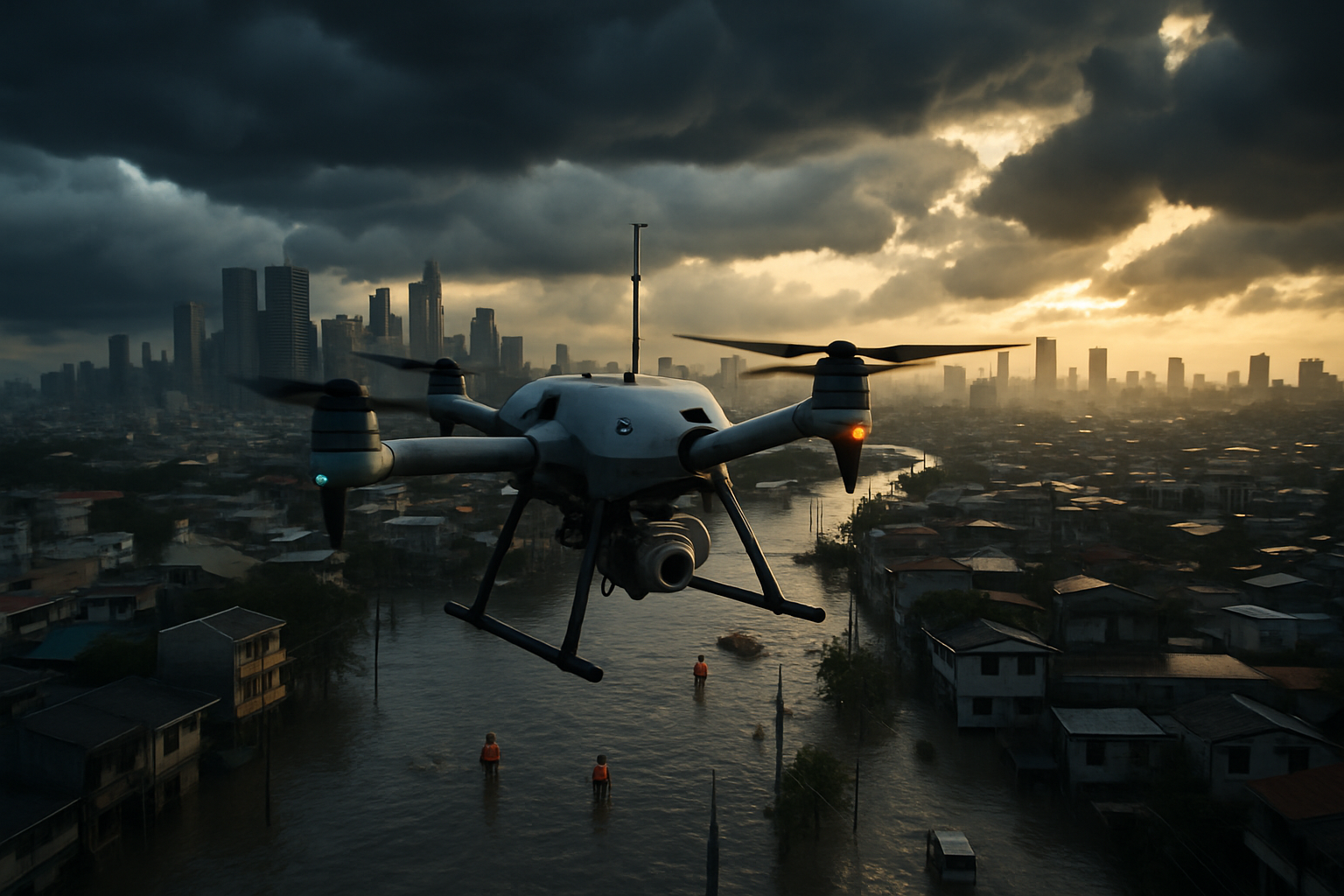
Manila is embracing cutting-edge autonomous drone technology to revolutionize its disaster response capabilities. The city has launched an ambitious initiative to deploy AI-powered drones capable of detecting floods in under 2 hours—a dramatic improvement over traditional methods. This breakthrough represents a significant leap forward in how densely populated urban areas can respond to climate-related flooding threats with speed and precision.
AI Drones Transform Flood Detection Speed
Traditional flood assessment methods rely on ground teams and helicopters, processes that can take hours or even days to map affected areas comprehensively. Manila’s new AI-powered drones cut this timeline dramatically, performing complete flood detection in under 2 hours. This acceleration is critical in tropical urban environments where monsoon seasons bring rapid-onset flooding that catches residents unprepared.
The drones are equipped with advanced sensor arrays including thermal imaging, LiDAR, and multispectral cameras that can simultaneously analyze water depth, flow direction, and affected infrastructure. The AI algorithms process this data in real-time, identifying flood zones and severity levels without requiring manual interpretation of each data point. This automation eliminates bottlenecks in the traditional assessment pipeline.
Mayor officials have highlighted that the 2-hour detection window provides a critical window for evacuation alerts and emergency resource deployment. When flooding can be mapped and verified in minutes rather than hours, emergency services can mobilize rescue teams and protective measures before water levels peak. This proactive capability has already demonstrated value during Manila’s monsoon season testing phases.
Electric Autonomous Drones Reduce Operational Costs
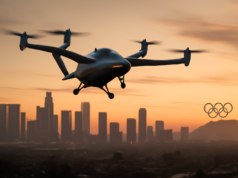
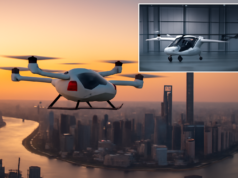
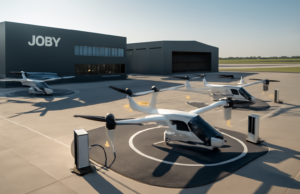
The drone systems deployed in Manila are fully electric, eliminating fuel dependency and reducing the operating costs associated with traditional helicopter or manned aircraft deployment. Electric vertical takeoff and landing (eVTOL) technology enables these drones to launch from distributed ground stations throughout the city, achieving rapid response times without the infrastructure overhead of airport operations.
Battery efficiency has improved dramatically in recent years, allowing modern electric drones to operate for extended periods while carrying heavy sensor payloads. Manila’s fleet can maintain sustained patrol operations over flood-prone districts during peak weather events, providing continuous monitoring rather than periodic snapshots. The cost per flight hour is substantially lower than helicopter operations, allowing the city to deploy drones more frequently and across broader geographic areas.
The scalability of electric drone technology means Manila can expand its fleet incrementally as budgets allow, without committing to expensive infrastructure expansions. Unlike fixed monitoring stations or staffed observation posts, additional drones can be deployed to new neighborhoods with minimal setup time. This flexibility makes EV drone networks particularly attractive for rapidly growing metropolitan areas.
Real-Time Data Integration Improves Emergency Response
The AI systems powering these drones don’t simply collect data—they integrate findings directly into Manila’s emergency management platforms. Flood maps, severity assessments, and affected infrastructure data flow automatically to dispatch centers, allowing emergency coordinators to make decisions based on current, verified information rather than reports filtered through multiple communication channels.
Firefighters, rescue units, and disaster management teams receive drone-generated intelligence instantly on their mobile devices and command center displays. This reduces miscommunication and enables faster tactical decisions about where to stage rescue equipment and personnel. When seconds matter during rapidly developing flood situations, this streamlined information flow can mean the difference between life-saving interventions and tragic delays.
The machine learning models continuously improve as they process more flood events, learning to identify emerging threats and unusual water flow patterns that might signal dangerous conditions ahead. The AI system can now predict secondary flooding risks—such as overflow from overwhelmed drainage systems—based on patterns learned from previous events. This predictive layer gives emergency responders an additional advantage in preemptive positioning.
Expanding Disaster Management Beyond Flooding
While the initial deployment focuses on flood detection, Manila’s officials recognize the broader potential of AI-powered drone networks for disaster management. The same sensor suites and autonomous systems can be adapted for earthquake damage assessment, fire spread monitoring, and post-disaster infrastructure evaluation. The foundational systems being deployed today position the city for comprehensive autonomous disaster response across multiple hazard types.
The drones’ ability to access dangerous or remote areas makes them particularly valuable for post-disaster reconnaissance. After earthquakes, fires, or flooding events, autonomous systems can survey structural damage, identify trapped individuals, and map hazards without exposing rescue personnel to unstable conditions. This capability is especially critical in a megacity like Manila where vertical construction and dense neighborhoods create complex, unpredictable environments after major events.
Neighboring cities and provinces in the Philippines are already expressing interest in adopting similar systems, suggesting this innovation will likely expand regionally. The success of Manila’s pilot program could serve as a blueprint for disaster management technology adoption across Southeast Asia, where monsoon flooding and typhoons pose recurring threats to millions of residents.
Key Takeaways: AI Drone Technology for Urban Resilience
- Manila achieves flood detection in under 2 hours using AI-powered electric drones with integrated sensor arrays
- Electric autonomous systems reduce operational costs while enabling distributed, rapid-response deployment across metropolitan areas
- Real-time data integration streamlines emergency response, potentially saving lives during critical early hours of flood events
- Successful pilot creates foundation for expanded autonomous disaster management systems beyond flood detection
Manila’s investment in AI-powered drone technology represents a watershed moment in urban disaster management. By combining electric autonomous vehicles with advanced artificial intelligence, the city has created a system that responds to natural disasters faster, more comprehensively, and more affordably than traditional methods. As climate change intensifies flooding risks globally, this innovation demonstrates how technology can meaningfully improve public safety in vulnerable megacities. The success of Manila’s program will likely inspire similar investments in disaster response automation worldwide, positioning EV drones as essential infrastructure for the climate-challenged cities of the future.