HIGHLIGHTS
- Midnight eVTOL successfully transitions from passenger-focused commercial operations to military applications, opening new defense sector opportunities.
- Military adaptation of eVTOL technology demonstrates the versatility of electric vertical takeoff aircraft beyond urban air mobility markets.
- This evolution signals growing defense investment in next-generation aviation platforms and accelerates eVTOL commercialization across multiple sectors.
The Midnight eVTOL represents a significant turning point in the evolution of electric vertical takeoff and landing aircraft. Originally developed as a solution for commercial passenger transport in urban and regional markets, this innovative platform is now demonstrating its broader potential by expanding into military and defense applications. This transition underscores a fundamental truth about eVTOL technology: its versatility extends far beyond the initial vision of city-to-city commuting networks.
The Original Vision: Passenger-Focused Development
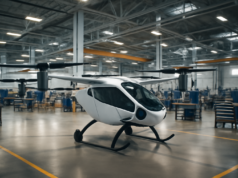
When Midnight eVTOL entered the development phase, the primary target market centered on commercial passenger services. Designers and engineers focused on creating an aircraft capable of safely transporting multiple passengers across urban and regional routes with zero direct emissions. The emphasis was on comfort, reliability, and integration into existing aviation infrastructure while maintaining the operational advantages of vertical takeoff and landing capabilities.
The passenger-centric approach shaped every aspect of the aircraft’s design, from cabin ergonomics to noise reduction systems. Engineers worked to ensure that the vehicle could operate in densely populated urban environments without generating excessive noise pollution—a critical requirement for gaining public acceptance and regulatory approval. The development team also prioritized safety systems, redundancy in critical components, and fail-safe mechanisms to achieve the stringent certification standards demanded by commercial aviation authorities.
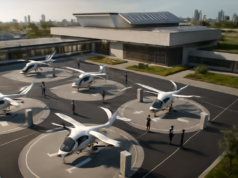
Initial market projections suggested robust demand from ride-sharing services, regional airlines, and tourism operators seeking to differentiate their offerings. The promise of rapid point-to-point connectivity, reduced travel times, and environmental benefits created substantial investor interest and government support through research grants and regulatory framework development.
Military Recognition and Strategic Value
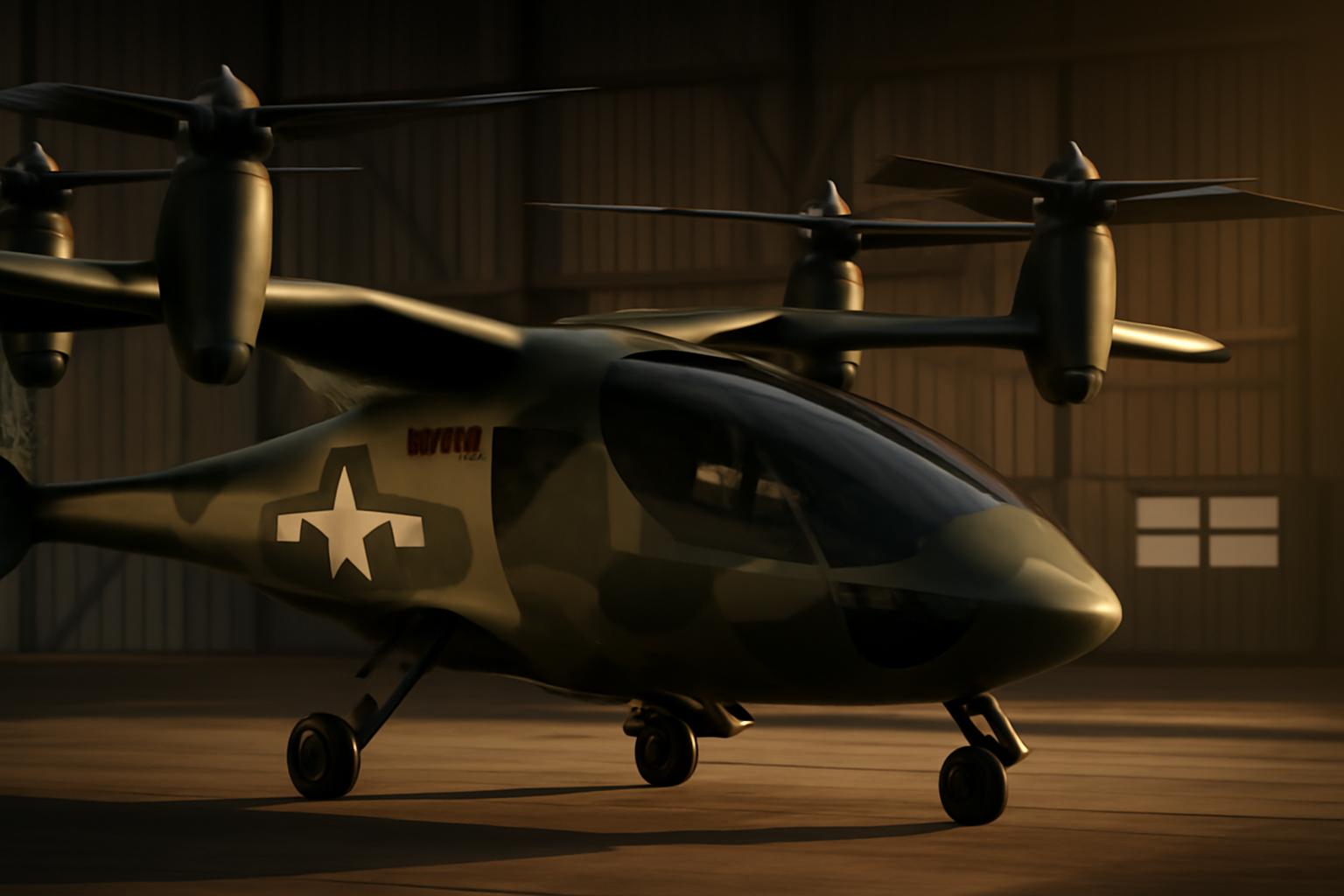
As the Midnight eVTOL progressed through testing and refinement, defense and military planners began recognizing its potential applications beyond commercial transport. The combination of vertical takeoff capability, electric propulsion, extended range, and advanced avionics opened possibilities for reconnaissance, rapid personnel deployment, supply missions, and specialized tactical operations. Military adoption represented a validation of the underlying technology while simultaneously diversifying revenue streams and application scenarios.
The transition to military use builds on the aircraft’s proven fundamental capabilities. Vertical takeoff eliminates the need for runways or landing zones—a transformative advantage in contested environments or remote operational theaters. Electric propulsion provides reduced acoustic and thermal signatures compared to traditional combustion-powered helicopters, enhancing stealth and operational security. The sophisticated avionics and autonomous flight systems developed for passenger operations translate directly to military mission planning, navigation, and execution.
Defense applications also benefit from the advanced battery management systems, redundant safety architecture, and real-time data transmission capabilities integrated into the Midnight platform. These features enable military operators to maintain operational awareness, coordinate multi-vehicle missions, and rapidly adapt to changing tactical situations. The aircraft’s clean power signature reduces detection risk and environmental contamination in sensitive operational zones.
Diversification and Market Expansion Strategy
The expansion into military markets represents a strategic diversification that strengthens the commercial viability of eVTOL platforms generally and Midnight specifically. Rather than remaining dependent on the uncertain timeline of commercial air mobility network development, the manufacturer can now access established military procurement channels, demonstrate operational reliability through field deployment, and generate revenue while passenger market infrastructure continues maturing.
This dual-market approach also accelerates technology refinement and validation. Military operators typically subject equipment to demanding real-world conditions and provide rapid feedback on performance issues, driving iterative improvements that benefit all application domains. The operational data collected from military deployments enhances our understanding of eVTOL aircraft behavior in diverse environments and conditions, ultimately contributing to safer, more capable systems.
Furthermore, military adoption generates positive proof-of-concept demonstrations that can influence regulatory environments and public perception. When government defense agencies validate an aircraft platform, it signals confidence in safety and reliability that resonates with commercial stakeholders and certification authorities. This credibility acceleration benefits the entire eVTOL industry ecosystem.
Broader Implications for eVTOL Industry Development
The Midnight eVTOL’s transition from passenger to military applications reflects a maturing market where successful platforms will likely serve multiple customer segments simultaneously. Rather than being strictly pigeonholed into single-use categories, the most successful aviation platforms historically adapt to serve diverse missions and user communities. The modern eVTOL industry is following this established precedent, with developers increasingly designing flexibility and adaptability into their core architectures.
This evolution also demonstrates that eVTOL manufacturers need not wait for perfect commercial infrastructure development before achieving significant market penetration. Military, government, and enterprise customers represent substantial addressable markets that can absorb production capacity and generate revenue while urban air mobility networks mature. The cumulative effect accelerates the entire industry’s timeline to profitability and scale.
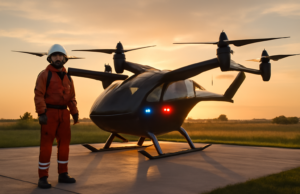
Looking ahead, we can expect continued diversification of eVTOL applications. Emergency medical services, search and rescue operations, environmental monitoring, disaster response, infrastructure inspection, and specialized logistics represent additional high-value use cases beyond passenger transport and military operations. The Midnight platform’s demonstrated versatility positions it well to serve multiple these emerging segments as opportunities develop.
Key Takeaways for Industry Watchers
- Successful eVTOL platforms are transitioning beyond initial market focus areas to serve multiple operational domains and customer segments.
- Military and defense applications provide sustainable near-term revenue while civilian air mobility infrastructure continues developing.
- Diverse use cases accelerate technology refinement, regulatory acceptance, and market maturation across the entire eVTOL ecosystem.
The Midnight eVTOL’s evolution from a passenger-focused commercial platform to a multi-mission military tool exemplifies the adaptability and fundamental soundness of next-generation electric vertical takeoff and landing technology. This transition strengthens both the immediate commercial prospects of individual manufacturers and the long-term viability of the broader eVTOL industry. As the ecosystem matures, we can expect continued expansion into specialized and emerging applications, with successful platforms eventually serving dozens of distinct customer categories and use cases. The movement from “passenger flights to military tool” represents not a pivot away from the original vision, but rather the maturation of transformative aviation technology that will reshape how we move people, goods, and services across the modern world.