HIGHLIGHTS
- Robo.ai Inc. (AIIO) remains actively engaged in developing next-generation electric vertical takeoff and landing technology for commercial deployment
- Company continues to attract market attention as evidenced by consistent coverage in major financial and technology news outlets
- eVTOL sector momentum accelerates as companies like Robo.ai advance toward practical applications in urban and regional transportation networks
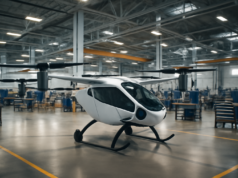
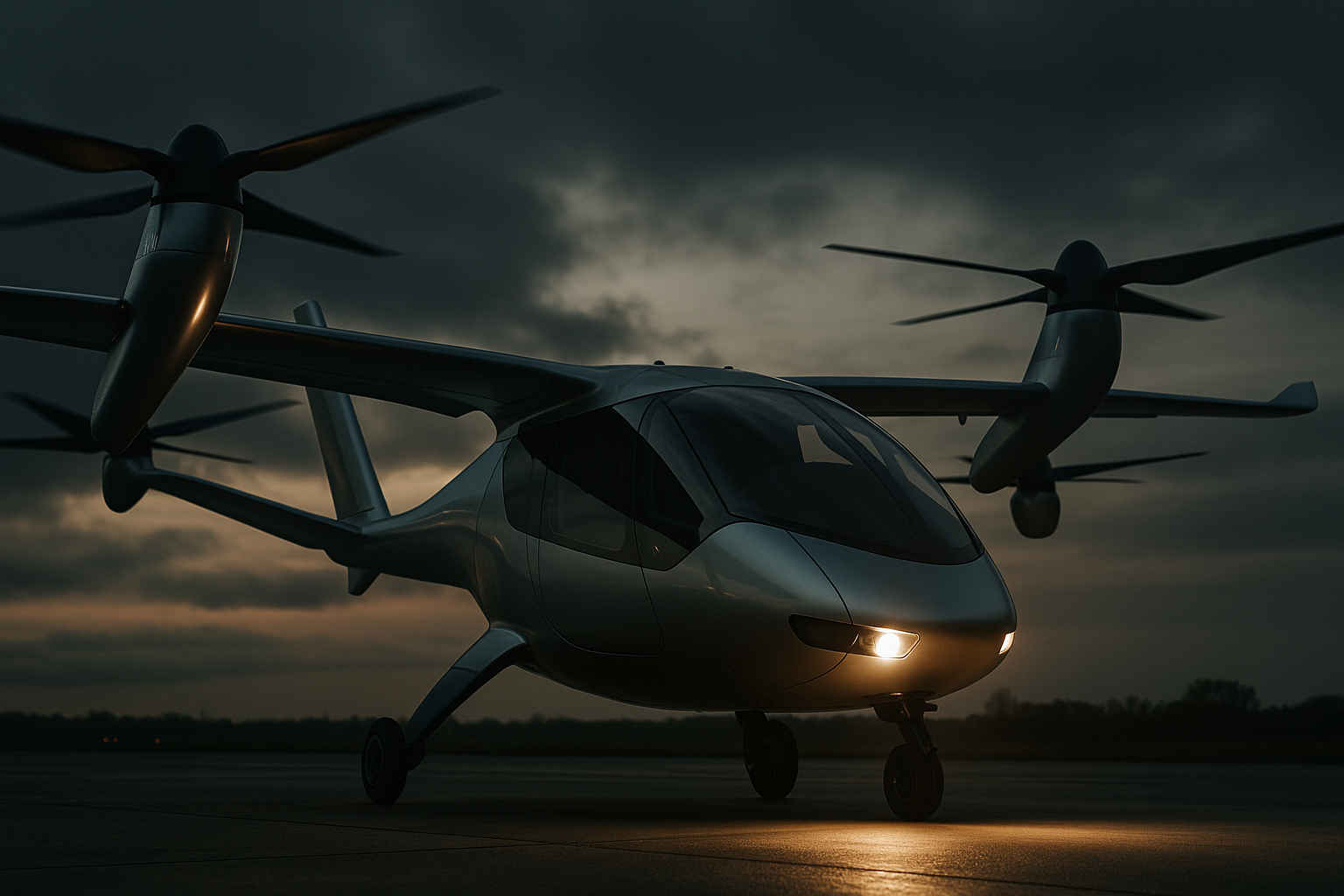
Robo.ai Inc. (ticker: AIIO) has emerged as a notable player in the rapidly expanding electric vertical takeoff and landing (eVTOL) sector, continuing to develop cutting-edge aircraft technology designed to revolutionize personal air mobility. As the market for autonomous aerial vehicles and electric propulsion systems continues to mature, companies like Robo.ai are positioning themselves at the forefront of innovation, attracting significant attention from investors, industry analysts, and technology enthusiasts worldwide.
Robo.ai’s Role in the eVTOL Revolution
Robo.ai Inc. has dedicated substantial resources to advancing electric vertical takeoff and landing technology, recognizing the transformative potential of this sector for urban and regional transportation. The company’s commitment to innovation in personal air mobility reflects broader industry trends indicating strong growth potential in the coming decades. With multiple competitors entering the market and regulatory frameworks gradually solidifying, Robo.ai is leveraging its technical expertise and market positioning to develop aircraft solutions that meet emerging demand.
The eVTOL industry represents a significant departure from traditional aviation, combining elements of drone technology, electric propulsion systems, and autonomous flight capabilities. Robo.ai’s focus on these technologies places the company within a vibrant ecosystem of innovators working to establish viable business models for commercial eVTOL operations. As infrastructure and regulations evolve, companies that have invested early in development and testing are likely to benefit from first-mover advantages.
Market analysts continue to monitor Robo.ai’s progress closely, with coverage appearing regularly on major financial platforms including MSN Money, Bloomberg, and other investment news sources. This sustained media attention underscores investor confidence in the company’s vision and its potential to capture market share as the eVTOL industry transitions from experimental phase to commercial deployment.
Technological Innovations in Electric Propulsion
At the core of Robo.ai’s development efforts lies advanced electric propulsion technology, a critical component for enabling practical eVTOL operations. Electric motors offer numerous advantages over traditional combustion engines, including reduced noise pollution, zero direct emissions, and lower operational costs over the aircraft’s lifetime. These characteristics make electric propulsion particularly attractive for urban air mobility applications, where noise and environmental concerns are paramount.
Robo.ai’s engineers and designers are working to optimize battery systems, electric motor efficiency, and overall aircraft weight distribution to maximize flight duration and payload capacity. The challenges of eVTOL design are substantial, requiring innovations in materials science, power management systems, and flight control algorithms. By focusing on these technical frontiers, Robo.ai is contributing to the broader knowledge base driving the industry forward.
The company’s approach to electric propulsion reflects lessons learned from the broader aviation and automotive industries, where electrification has become a strategic priority. Battery technology improvements, driven by the electric vehicle revolution, directly benefit eVTOL development by providing more capable power sources with better energy density and cost profiles. Robo.ai’s positioning allows the company to capitalize on these technology spillovers while maintaining focus on aerial vehicle-specific requirements.
Market Dynamics and Competitive Landscape
The personal air mobility sector has attracted entries from diverse companies, ranging from traditional aerospace manufacturers to technology startups. This competitive diversity accelerates innovation while also creating winners and losers across the market landscape. Robo.ai competes alongside companies such as Joby Aviation, Lilium, and Archer Aviation, each pursuing distinct technological approaches and market strategies.
Stock price movements and financial performance metrics for companies like Robo.ai (AIIO) reflect broader investor sentiment regarding the eVTOL sector’s near-term prospects and long-term potential. Market analysis and forecasting tools available on platforms like MSN Money provide investors with data-driven insights into company valuations, growth projections, and risk factors. For Robo.ai, continuous monitoring of these metrics helps stakeholders assess the company’s trajectory within a competitive field.
The competitive landscape is characterized by differentiation in several key areas: aircraft design philosophy, target market segments, regulatory engagement strategies, and technology partnerships. Robo.ai’s particular positioning within this landscape will ultimately determine its success in capturing market share and achieving commercial viability. Industry observers point to the importance of strategic partnerships, regulatory approvals, and demonstration of safe, reliable operations as critical success factors.
Regulatory Framework and Path to Commercialization
As eVTOL companies advance toward commercial operations, regulatory approval has become increasingly central to their business strategies. Aviation authorities worldwide, including the FAA in the United States, EASA in Europe, and CAAC in China, are developing certification frameworks for electric vertical takeoff and landing aircraft. Robo.ai’s engagement with these regulatory bodies shapes the company’s product development roadmap and timeline to market.
The regulatory pathway for eVTOL aircraft is complex and multi-faceted, encompassing airworthiness certification, pilot training requirements, operational procedures, and integration with existing airspace management systems. Companies that successfully navigate these regulatory requirements will be positioned to launch commercial services well ahead of competitors delayed by certification challenges. Robo.ai’s technical expertise and regulatory navigation capabilities will prove decisive in this regard.
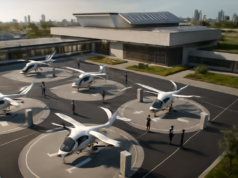
Commercial deployment of Robo.ai’s aircraft is likely to focus initially on specific use cases with strong value propositions, such as medical transport, executive transportation, or point-to-point cargo delivery between urban centers. These niche markets allow companies to demonstrate safety and reliability while building operational experience and brand reputation. Success in these initial markets creates the foundation for broader commercial expansion.
Future Outlook and Investment Considerations
The long-term growth prospects for the eVTOL industry depend on several interconnected factors: technology maturation, regulatory approval, infrastructure development, and consumer acceptance. Robo.ai’s strategic positioning and technical capabilities position the company to benefit from favorable developments across these dimensions. As the market matures, early leaders in technology and certification are likely to command premium valuations and market share.
For investors evaluating Robo.ai (AIIO) as a potential investment, detailed analysis of company financials, technical roadmaps, and competitive positioning provides essential context. Stock forecasts and pricing analysis available through financial platforms help investors assess valuation relative to growth potential and risk factors. The dynamic nature of the eVTOL sector means that company-specific developments and broader industry trends require continuous monitoring.
Industry momentum remains decidedly positive, with increasing news coverage, regulatory progress, and technology demonstrations indicating movement toward commercialization. Robo.ai’s continued presence in media coverage and financial markets reflects sustained investor interest in the company’s mission and potential. As the sector progresses from development to deployment phase, companies like Robo.ai that have invested deeply in technology and regulatory engagement are positioned to lead.
Key Takeaways on Robo.ai and eVTOL Development
- Robo.ai Inc. (AIIO) is actively advancing electric vertical takeoff and landing technology with focus on electric propulsion systems and aircraft design optimization for near-term commercial deployment
- The company operates within an increasingly competitive eVTOL sector where regulatory engagement, technology differentiation, and strategic market positioning determine long-term success and market share capture
- Investment in eVTOL companies like Robo.ai requires careful analysis of technical capabilities, regulatory progress, financial health, and competitive positioning within the rapidly maturing personal air mobility market
Robo.ai Inc.’s continued advancement in electric vertical takeoff and landing technology reflects the broader momentum transforming personal air mobility from theoretical concept into practical commercial reality. As regulatory frameworks solidify, technology matures, and infrastructure develops, companies positioned at the forefront of innovation will shape the future of aviation. Robo.ai’s contributions to this emerging sector underscore the transformative potential of electric propulsion and autonomous flight systems in creating sustainable, efficient transportation solutions for the 21st century.