HIGHLIGHTS
- Saudi coalition forces successfully intercepted and destroyed three drones north of Riyadh on October 13, 2026, showcasing advanced air defense system capabilities in real operational conditions.
- Drone threats are escalating across the Middle East, requiring continuous investment in integrated detection systems combining radar, infrared sensors, and electronic warfare technologies.
- Each successful military interception operation generates critical data for refining air defense protocols and accelerating development of next-generation counter-drone technologies.
In a significant military operation on October 13, 2026, the Saudi-led coalition demonstrated its advanced air defense capabilities by intercepting and destroying three unmanned drones in airspace north of Riyadh city. This incident underscores the evolving security landscape in the Middle East and the critical role that drone interception technology plays in modern regional defense strategies. As drone technology becomes increasingly accessible and prevalent globally, the ability to detect, track, and neutralize hostile unmanned aircraft has become essential for protecting critical infrastructure and civilian populations.
The Interception Operation
The Saudi coalition’s successful interception of the three drones represents a coordinated air defense response to an apparent unmanned aerial threat. The operation, conducted in controlled airspace north of the capital, showcases the military’s readiness to respond rapidly to airborne incursions. Modern air defense systems used by regional forces integrate sophisticated radar technology, tracking algorithms, and rapid-response protocols to detect and engage targets within minutes of identification.
The destruction of all three drones indicates that the defense system functioned as designed, with multiple layers of detection and engagement capability working in concert. Such operations require seamless coordination between ground-based radar stations, command centers, and airborne or ground-based interceptor systems. The successful outcome demonstrates that investments in defense infrastructure and personnel training have yielded measurable results in protecting Saudi airspace.
This interception follows a pattern of similar incidents across the Middle East, where drone threats have become increasingly common. The Saudi coalition has faced multiple drone-related security challenges over recent years, necessitating continuous upgrades to detection and response capabilities. Each successful interception provides valuable data for refining defense protocols and improving system performance in future encounters.
Drone Technology and Modern Security Threats
Unmanned aerial vehicles, or drones, have fundamentally changed the nature of aerial threats in the 21st century. Unlike traditional manned aircraft, which are expensive, high-profile assets, drones can be manufactured relatively inexpensively and deployed with minimal warning. This accessibility has led to their widespread proliferation among state and non-state actors across volatile regions. The technology enables reconnaissance, surveillance, and potentially destructive missions without risking pilot casualties, making drone operations strategically attractive to adversaries.
The drones intercepted north of Riyadh represent the type of emerging threat that regional security forces must continuously adapt to counter. Modern defense systems must be capable of identifying and engaging targets that range from small, slow-moving reconnaissance drones to faster, more heavily laden attack variants. The variety of drone types in circulation—from commercial off-the-shelf platforms modified for military purposes to purpose-built systems—creates complex detection and engagement challenges for air defense operators.
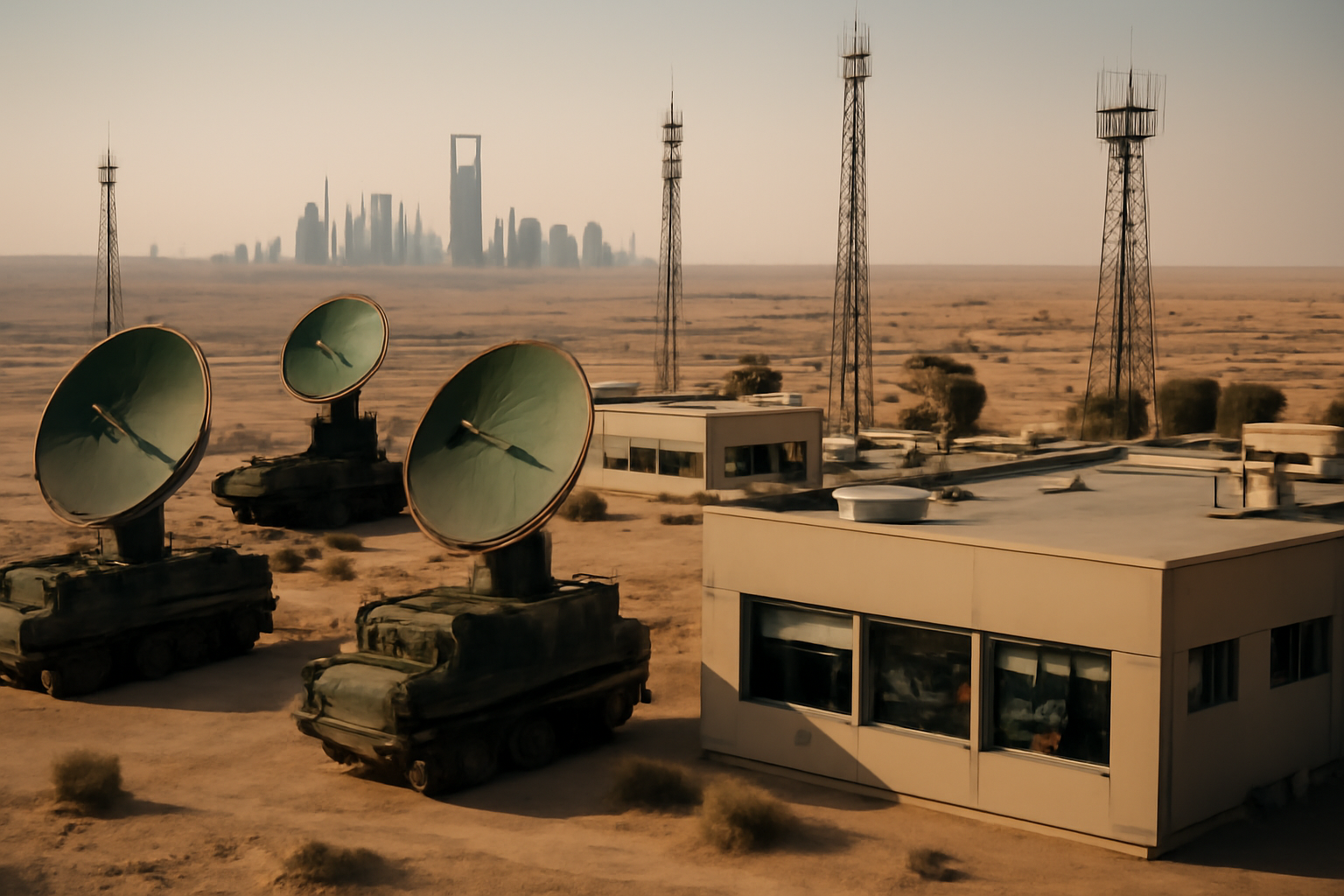
Detection technology has evolved rapidly to meet these challenges, incorporating advanced radar systems capable of tracking small, low-flying objects, infrared sensors for identifying hot engine signatures, and electronic warfare systems that can jam or disable drone communications. The successful Saudi interception indicates that such integrated systems are operational and effective in real-world scenarios. Continued investment in these technologies remains essential as adversaries develop faster, smaller, and more sophisticated unmanned platforms.
Regional Security Implications
The October 2026 interception incident reflects broader security dynamics in the Middle East, where multiple actors possess or are developing drone capabilities. The Saudi coalition, formed to counter regional instability, must contend with threats from various quarters, each possessing different technological capabilities and strategic objectives. The successful defense against this drone incursion sends a clear message about the coalition’s readiness and capability to protect critical airspace and infrastructure.
For civilian aviation and critical infrastructure near Riyadh, such interception operations provide essential security assurance. Drone threats to commercial air traffic, power generation facilities, desalination plants, and other vital infrastructure represent significant risks to regional stability and economic continuity. By demonstrating the ability to neutralize unmanned threats before they reach their targets, the coalition enhances confidence in the safety of the airspace and the resilience of essential services.
The incident also highlights the importance of regional cooperation in air defense. The Saudi-led coalition framework pools resources, shares intelligence, and coordinates responses across member states, creating a more robust defense posture than any single nation could achieve independently. Continued coordination and information sharing among coalition partners strengthen the collective ability to identify and respond to drone threats across a vast geographic area.
Future Outlook for Drone Defense Technology
As drone technology continues to evolve, air defense systems must keep pace with increasingly sophisticated unmanned platforms. Research and development programs worldwide are focused on next-generation detection technologies, including artificial intelligence-enhanced radar systems, autonomous engagement platforms, and network-centric defense architectures. These advancements will enable faster threat identification, improved discrimination between hostile and non-hostile drones, and more effective countermeasures.
The Saudi coalition’s successful interception operation provides valuable real-world validation of current defense system capabilities. Each operational instance generates data that engineers and military strategists use to refine their understanding of threat characteristics, system performance, and tactical procedures. This continuous learning cycle accelerates the development and deployment of more effective defenses against evolving drone threats.
International cooperation on drone regulations and technology standards may eventually reduce the proliferation of advanced unmanned systems, but for the foreseeable future, regional security forces must assume that drone threats will remain present and potentially escalating. Investment in air defense infrastructure, personnel training, and technological innovation will remain critical priorities for nations seeking to protect their airspace and populations. The October 2026 interception demonstrates that such investments can yield tangible security benefits.
Industry and Commercial Considerations
Beyond military applications, the successful interception and destruction of unauthorized drones also reflects growing concerns about airspace management in regions where civilian and military aviation operate in proximity. Commercial drone operations, while expanding globally, require strict regulatory frameworks to prevent conflicts with military air defense systems. The incident near Riyadh underscores the importance of clear airspace delineation and communication protocols between civilian and military authorities.
The commercial drone industry faces significant challenges in regions experiencing security threats, as military operations and civilian drone development exist in an increasingly complex operational environment. Distinguishing between hostile unmanned systems and legitimate commercial platforms requires sophisticated identification systems and clear rules of engagement. The Saudi coalition’s interception and destruction of the three drones illustrates the potential consequences when unmanned aircraft enter restricted or uncontrolled airspace without proper authorization.
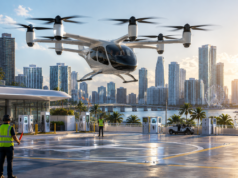
For companies developing personal air mobility solutions, advanced aerial vehicles, and autonomous systems, the Middle Eastern security environment presents both challenges and opportunities. Demonstrating the safety, reliability, and compliance capabilities of commercial systems becomes increasingly important as military air defense systems become more sensitive and responsive. Clear communication between the aviation industry and defense authorities is essential to enable the responsible development of both civilian and military drone technologies without unintended conflicts.
Key Takeaways from the Riyadh Interception
- The Saudi coalition successfully intercepted and destroyed three unauthorized drones in airspace north of Riyadh on October 13, 2026, demonstrating effective air defense system performance.
- Drone threats are becoming increasingly prevalent in the Middle East, requiring regional security forces to continuously invest in advanced detection and engagement technology.
- Successful military defense operations provide validation of current technologies and generate valuable operational data for improving future air defense capabilities and protocols.
The October 2026 interception of three drones north of Riyadh represents a significant moment in the ongoing evolution of regional air defense capabilities. As unmanned aircraft technology becomes more accessible and prevalent globally, the ability to detect, track, and neutralize hostile systems becomes ever more critical. The Saudi coalition’s demonstrated capability to respond effectively to drone threats reinforces confidence in regional security infrastructure and highlights the importance of continued investment in advanced air defense technologies. Looking forward, the intersection of advancing drone technology, evolving security threats, and commercial aviation development will require ongoing coordination, innovation, and strategic planning from military, government, and industry stakeholders across the Middle East and worldwide.