HIGHLIGHTS
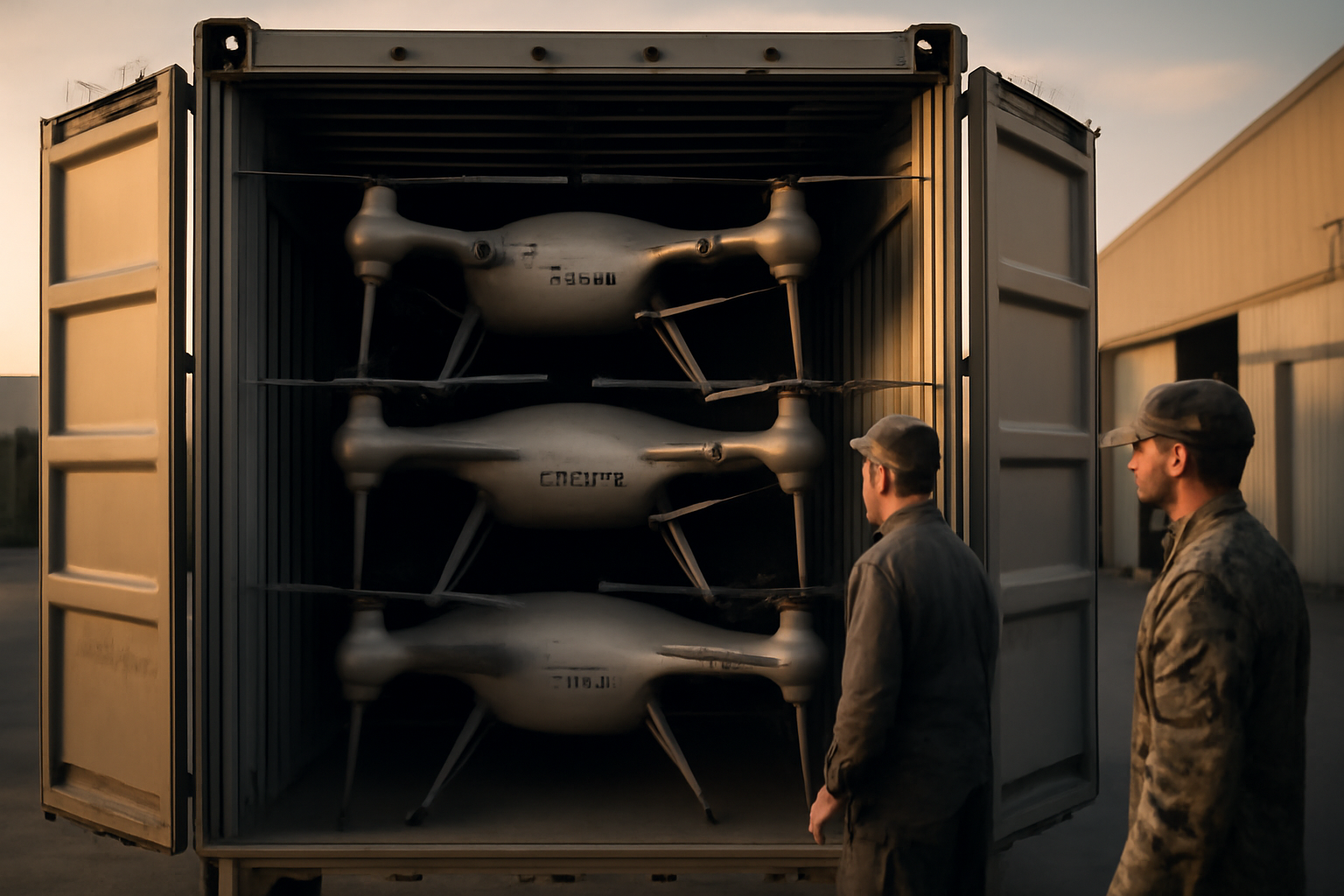
- Four Nomad 100 VTOL drones fit in standard shipping containers, enabling rapid deployment without specialized infrastructure
- Military and emergency response teams can establish full aerial reconnaissance squadrons anywhere within hours, not days
- This innovation sets a new industry standard for VTOL design, prioritizing logistical practicality and deployment efficiency
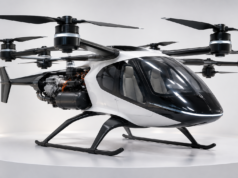
Sikorsky Aircraft has taken a significant leap in practical deployment capabilities by introducing a quad-packed container system for its Nomad 100 VTOL drone. This innovative packaging solution transforms how rapid-response teams can transport and deploy autonomous aerial systems, eliminating the need for specialized hangars or complex logistics infrastructure. The breakthrough represents a crucial milestone in making electric vertical takeoff and landing technology accessible to military, emergency response, and commercial operators worldwide.
Revolutionizing Portable VTOL Infrastructure
The quad-packed container system represents a fundamental shift in how VTOL drones are deployed in the field. By enabling four Nomad 100 aircraft to be transported within standard shipping containers, Sikorsky has solved one of the most persistent challenges facing operators: getting advanced aerial systems to remote or austere locations quickly and efficiently. This containerized approach eliminates dependency on prepared landing zones and specialized facilities, allowing rapid response teams to establish operational capability anywhere a container truck can reach.
Traditional VTOL drone deployments have required dedicated support infrastructure, including climate-controlled hangars, specialized maintenance equipment, and trained personnel stationed at forward locations. The quad-packed container system drastically reduces these logistical burdens by providing a complete, transportable operational unit. Teams can now move entire squadrons of Nomad 100 aircraft with minimal ground support, dramatically expanding the practical applications for time-sensitive operations ranging from disaster response to military reconnaissance.
The containerization process maintains the Nomad 100’s operational readiness while dramatically improving its portability. Each aircraft can be rapidly removed from its container configuration and made flight-ready within minutes, ensuring that critical missions are not delayed by lengthy setup procedures. This plug-and-play approach to VTOL deployment represents exactly the kind of innovation needed to accelerate adoption of electric vertical takeoff technologies across multiple industries.
Technical Advantages of Quad-Packed Deployment
The Nomad 100 has established itself as a versatile, efficient VTOL platform, and the quad-packed container system amplifies its operational value exponentially. Sikorsky’s engineering team designed this solution to protect aircraft components during transport while ensuring they remain fully functional upon deployment. The containerized approach incorporates shock absorption, environmental protection, and organized component storage—transforming what could be a logistical nightmare into a streamlined process.
Each container is engineered to withstand the rigors of rapid transport via helicopter, fixed-wing aircraft, or ground convoy. This multi-modal transportability opens unprecedented operational flexibility for military and emergency response organizations. A single cargo aircraft can now deliver the equivalent of an entire aerial reconnaissance squadron to a theater of operations, fundamentally changing response capabilities for disaster zones, humanitarian missions, and tactical operations. The standardized container format also ensures compatibility with existing military and commercial logistics infrastructure.
Battery management and charging integration are critical considerations in the quad-packed system design. Sikorsky has incorporated modular charging capabilities that allow operators to begin recovering Nomad 100 aircraft power levels during transport or immediately upon arrival at a forward location. This capability is essential for maintaining mission tempo in scenarios where continuous airborne surveillance or rapid repeat operations are required. The integration of intelligent power management systems ensures that aircraft batteries are optimized for performance regardless of transportation duration.
Military and Emergency Response Applications
The quad-packed Nomad 100 system addresses critical needs within military operations, where rapid aerial reconnaissance can mean the difference between mission success and failure. Forward-deployed units can maintain persistent surveillance capabilities without relying on permanent installations or extended logistics chains. The system’s rapid deployment timeline aligns perfectly with modern military doctrine emphasizing speed, agility, and reduced logistical footprint. A single transport helicopter can now deliver sufficient aerial reconnaissance assets to support entire battalion-level operations.
Emergency response organizations—including disaster relief teams, search and rescue operations, and humanitarian assistance missions—benefit tremendously from this technological advancement. When natural disasters strike remote regions or humanitarian crises require immediate aerial assessment, the quad-packed Nomad 100 enables rapid deployment of sophisticated surveillance and assessment capabilities. Teams can be on-site and conducting aerial operations within hours rather than days, potentially saving lives and enabling more effective resource allocation during critical periods.
The system’s quiet, electric propulsion makes it ideal for sensitive operations where noise discipline is important. Unlike traditional rotorcraft or fuel-powered drones, the Nomad 100’s electric drivetrain minimizes acoustic signature, enabling covert surveillance and reconnaissance missions in populated or sensitive areas. The quad-packed container system preserves these advantages while adding unprecedented mobility, creating a formidable platform for modern military and emergency response requirements.
Commercial and Logistics Industry Implications
Beyond military and emergency response applications, the quad-packed Nomad 100 presents substantial opportunities for commercial operators in logistics, infrastructure inspection, and environmental monitoring. Companies requiring mobile aerial surveillance capabilities can now deploy systems directly to job sites with minimal infrastructure requirements. Construction companies, utility operators, and environmental consultants gain the flexibility to move advanced aerial platforms between projects without establishing permanent operational bases.
The containerized deployment model also has profound implications for the emerging commercial air mobility ecosystem. As the industry matures, the ability to rapidly scale operations and move equipment between geographic markets becomes increasingly valuable. Sikorsky’s innovation demonstrates that VTOL manufacturers must think beyond the aircraft itself and consider the entire operational ecosystem—including transport, deployment, and logistics—when designing next-generation platforms.
Insurance and operational risk profiles improve significantly with the quad-packed system’s standardized, controlled environment. Aircraft are protected from weather, handling damage, and environmental degradation during storage and transport, extending service life and reducing maintenance costs. Commercial operators can now maintain geographically distributed fleets with central support coordination, optimizing resource allocation and improving overall operational efficiency across multiple projects and locations.
Future Evolution of VTOL Deployment Technology
Sikorsky’s quad-packed container system establishes a new standard for how VTOL aircraft should be designed with logistics and deployment in mind. Future generations of electric vertical takeoff platforms will likely incorporate similar containerization principles from conception rather than adding them as afterthoughts. This represents a fundamental shift in VTOL design philosophy—recognizing that operational practicality is as important as aircraft performance specifications.
The success of the Nomad 100 quad-pack system will likely inspire competitive innovations throughout the industry. Other VTOL manufacturers will face pressure to develop comparable rapid-deployment solutions, accelerating industry-wide improvements in portability and logistics efficiency. This competition benefits end-users by driving continuous innovation and ensuring that new aircraft platforms address real-world operational challenges from their initial development stages.
Looking forward, modular and containerized VTOL systems may become industry standard rather than specialized exceptions. Advances in composite materials, automated assembly processes, and standardized interfaces could enable even more efficient packing ratios and faster deployment cycles. The Nomad 100 quad-pack demonstrates that thoughtful engineering can solve practical deployment challenges, paving the way for even more ambitious innovations in portable air mobility.
Key Takeaways
- Sikorsky’s quad-packed container system enables four Nomad 100 VTOL aircraft to be transported in standard shipping containers, eliminating specialized infrastructure requirements.
- The containerized deployment approach dramatically accelerates rapid response capabilities for military, emergency response, and humanitarian operations worldwide.
- This innovation establishes a new industry standard for VTOL design philosophy, emphasizing operational logistics and deployment practicality alongside aircraft performance.
The quad-packed Nomad 100 system represents a watershed moment for personal air mobility and rapid-response operations. By solving the critical challenge of portable deployment, Sikorsky has accelerated the practical timeline for widespread VTOL adoption across military, emergency response, and commercial sectors. As the industry continues evolving, this containerized approach will likely inspire a new generation of VTOL aircraft designed from inception with logistics, modularity, and rapid deployment as core design requirements. The future of air mobility is not just about building better aircraft—it’s about creating integrated systems that work seamlessly within real-world operational environments. Sikorsky’s innovation demonstrates that thoughtful engineering can bridge the gap between advanced technology and practical deployment, enabling organizations to harness the transformative potential of electric vertical takeoff and landing systems.