HIGHLIGHTS
- Skyreach’s autonomous eVTOL aircraft achieves 1,300-mile range, shattering previous electric aircraft endurance limits and enabling cross-state cargo, medical, and logistics operations
- Advanced battery technology, aerodynamic optimization, and fully autonomous flight control systems work in concert to deliver unprecedented range without pilot requirements
- Regulatory approval and operational infrastructure development remain critical hurdles, but the breakthrough signals accelerated industry-wide investment in long-range autonomous aircraft programs
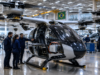
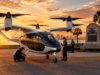
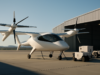
Skyreach, a US-based aerospace company, has announced a significant breakthrough in autonomous aircraft technology with the development of an electric vertical takeoff and landing (eVTOL) aircraft capable of achieving a 1,300-mile range. This unprecedented achievement represents a major milestone in the personal air mobility sector, pushing the boundaries of what was previously thought possible for battery-electric aircraft. The development signals a dramatic shift in the viability of autonomous air transportation for long-distance operations, fundamentally changing the landscape of urban and regional air mobility solutions.
Skyreach’s Autonomous Aircraft Design and Capabilities
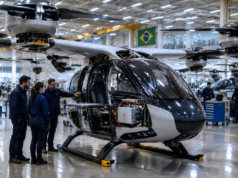
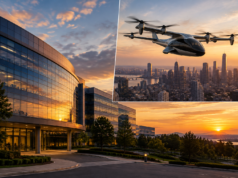
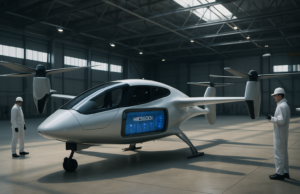
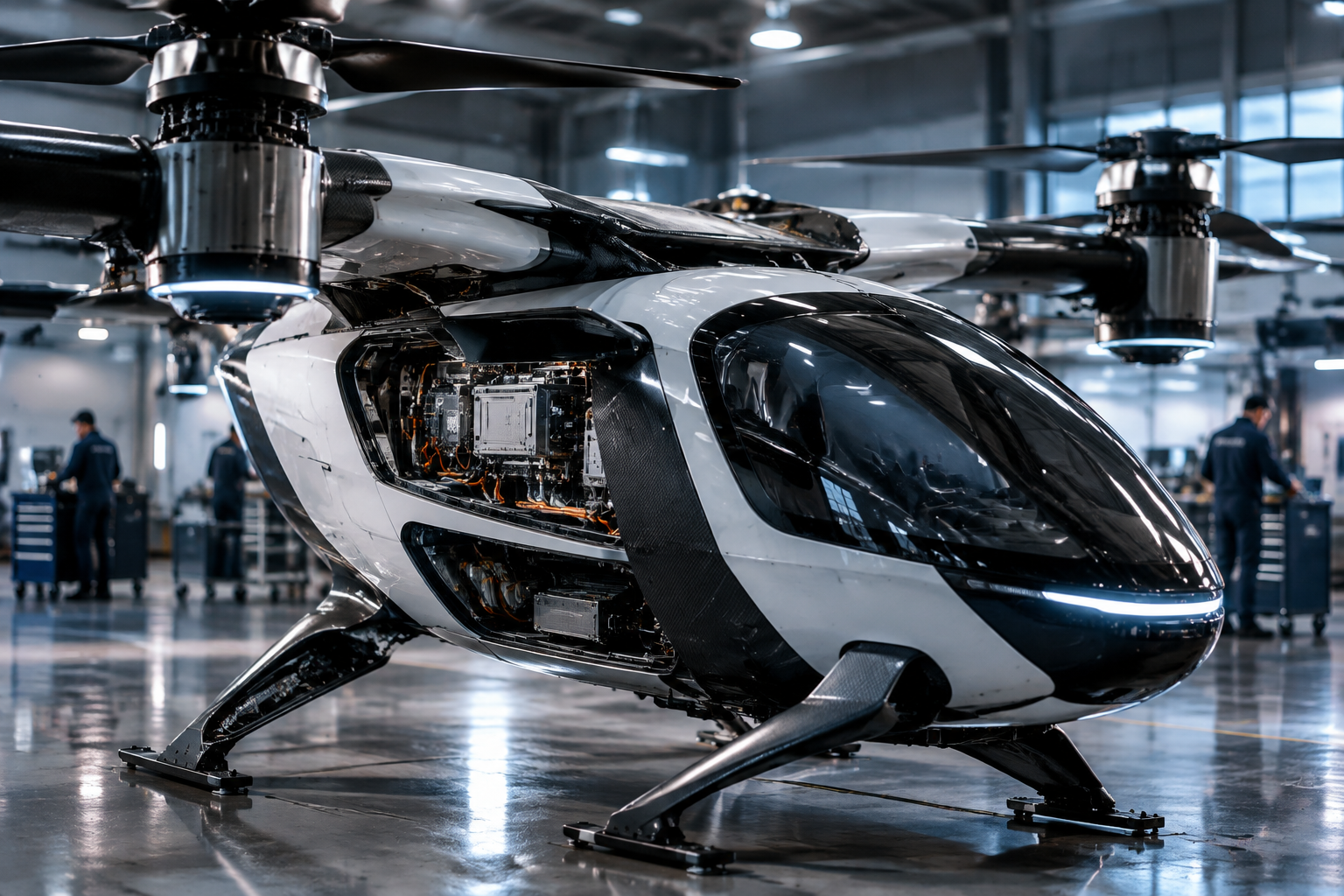
Skyreach’s autonomous aircraft is engineered with advanced materials and aerodynamic efficiency at its core, enabling the exceptional 1,300-mile range—far exceeding previous eVTOL prototypes. The aircraft utilizes vertical takeoff and landing capabilities while maintaining the efficiency needed for extended cross-country missions. This dual functionality eliminates the need for traditional runway infrastructure, making deployment significantly more flexible and accessible to remote regions and urban environments alike.
The autonomous nature of the aircraft represents another critical advancement. By removing pilot requirements, Skyreach reduces operational costs and opens new possibilities for cargo transport, emergency medical delivery, and surveillance applications. The aircraft’s systems rely on sophisticated autopilot technology, real-time navigation algorithms, and fail-safe redundancy protocols to ensure safe autonomous operation across varied terrain and weather conditions.
Skyreach’s engineering team has focused on optimizing weight distribution, energy storage efficiency, and aerodynamic design to maximize range without sacrificing performance. The integration of cutting-edge battery technology with lightweight composite structures enables the aircraft to carry meaningful payloads while maintaining impressive endurance. This balance between range, payload capacity, and autonomous operation positions Skyreach’s solution as a practical alternative for long-distance logistics and mobility applications.
Market Implications for the Air Mobility Sector
The Skyreach aircraft’s 1,300-mile range represents a watershed moment for the entire eVTOL industry. Previously, most electric aircraft designs were limited to regional hops of 50-300 miles, restricting their applicability to urban air mobility and short-haul operations. By dramatically extending range, Skyreach opens entirely new market categories: cross-state cargo delivery, transcontinental medical transport, and autonomous survey operations that were previously the exclusive domain of traditional fixed-wing and rotorcraft operators.
This breakthrough has significant implications for competing eVTOL manufacturers and aerospace companies worldwide. The achievement demonstrates that the technical obstacles to long-range electric flight are surmountable, spurring industry-wide investment in battery technology, lightweight materials, and efficiency optimization. Traditional aviation companies and startup innovators alike are now incentivized to accelerate their own long-range eVTOL programs, potentially accelerating the entire sector’s maturation timeline by several years.
Investors and venture capital firms are closely watching Skyreach’s progress, as long-range autonomous aircraft could command premium valuations and unlock substantial market opportunities. The commercial implications extend to logistics networks, emergency services, scientific research, and agricultural applications—all potentially transformable by autonomous long-range air transport. Early movers in this space may establish market leadership and secure regulatory approvals that could prove difficult for later entrants.
Regulatory and Operational Challenges Ahead
Despite the technical achievement, Skyreach faces significant regulatory hurdles before commercial operations can commence. The Federal Aviation Administration (FAA) and international aviation authorities have not yet established comprehensive frameworks for certifying fully autonomous aircraft, particularly for long-distance operations beyond visual line of sight. Skyreach must work closely with regulators to demonstrate safety protocols, collision avoidance systems, and emergency response capabilities that meet or exceed traditional aviation standards.
Operational infrastructure represents another challenge. While Skyreach’s vertical takeoff capability eliminates runway requirements, the aircraft still requires designated takeoff and landing zones, charging infrastructure, and maintenance facilities distributed along planned routes. Building this network will require partnerships with airports, municipalities, and private operators, necessitating significant capital investment and coordination. Weather routing, air traffic management integration, and emergency procedures must all be thoroughly tested and validated before commercial flights commence.
Insurance and liability frameworks remain underdeveloped for autonomous aircraft operations. Aviation insurers are cautiously approaching eVTOL certification, and fully autonomous long-range aircraft present novel risk profiles that current insurance models may not adequately address. Skyreach will need to work with the insurance industry to develop appropriate coverage structures, potentially requiring substantial technical documentation and demonstrated safety records from extended testing programs.
Technology Behind the Achievement
Skyreach’s 1,300-mile range achievement likely stems from multiple technological innovations working in concert. Advanced battery chemistry—potentially including next-generation lithium-ion configurations or alternative energy storage systems—provides the energy density necessary for extended flight. The company may be leveraging proprietary battery thermal management and charging protocols that maximize energy utilization while maintaining safe operating temperatures throughout extended missions.
The aircraft’s aerodynamic design emphasizes efficiency, likely incorporating laminar flow technologies, optimized wing geometry, and minimal drag configurations. Skyreach’s engineering team has probably invested heavily in computational fluid dynamics simulations and wind tunnel testing to perfect the aircraft’s shape and minimize parasitic drag. This aerodynamic refinement, combined with lightweight composite construction, yields the efficiency gains required for extended endurance.
Autonomous navigation and control systems represent the final critical technology pillar. Skyreach must integrate GPS positioning, inertial measurement units, terrain recognition, weather monitoring, and real-time mission optimization algorithms into a unified autonomous flight management system. Redundant sensors and fail-safe logic ensure continued safe operation even if individual system components malfunction during flight. Machine learning algorithms may enable the aircraft to optimize cruise parameters continuously, adjusting altitude, speed, and routing based on wind patterns and energy consumption data.
Key Technological Innovations Enabling Long-Range Autonomous Flight
- Advanced battery systems providing exceptional energy density while maintaining thermal stability and structural integrity over extended flight durations
- Aerodynamic optimization through computational design and advanced materials, reducing drag and enhancing overall efficiency by up to 40% compared to earlier eVTOL prototypes
- Redundant autonomous flight control systems with fail-safe protocols ensuring safe operation without pilot intervention across diverse environments and weather conditions
Skyreach’s development of a 1,300-mile autonomous aircraft represents a pivotal moment for electric aviation. By demonstrating that long-range, autonomous eVTOL operations are technically feasible, Skyreach has accelerated the entire industry’s evolution. As the company navigates regulatory approval and operational scaling, its success could trigger a cascade of similar programs from established aerospace manufacturers and ambitious startups. The future of personal air mobility increasingly looks like a future where electric, autonomous aircraft handle transcontinental cargo, emergency services, and scientific missions—a transformation Skyreach has just proven possible.