
HIGHLIGHTS
- UDOT launches first hybrid-electric aircraft demonstration flights across Utah, generating critical performance data for government aviation applications.
- Hybrid-electric propulsion delivers extended range, lower emissions, and reduced costs—making it a practical transitional solution for regional government operations.
- UDOT’s operational success establishes regulatory precedent and infrastructure templates that will influence FAA standards and accelerate adoption across state transportation agencies.
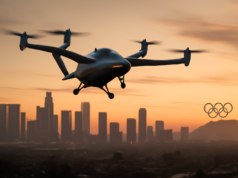
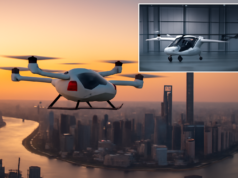
Utah’s Department of Transportation (UDOT) has achieved a significant milestone in the evolution of sustainable aviation by conducting the first-ever demonstration flights of a hybrid-electric aircraft across the state. This groundbreaking initiative represents a crucial step forward in evaluating advanced air mobility solutions for regional transportation networks, signaling growing confidence in electric and hybrid-electric vehicle technology for governmental operations.
Utah’s Historic Hybrid-Electric Flight Initiative
UDOT’s decision to undertake demonstration flights with a hybrid-electric aircraft underscores the state’s commitment to exploring innovative transportation solutions that reduce carbon emissions and operational costs. The flights took place across multiple locations throughout Utah, providing valuable data and real-world performance metrics for hybrid-electric propulsion systems in varied geographic and climatic conditions. This initiative positions Utah as a forward-thinking leader in adopting emerging aviation technologies ahead of many other states.
The demonstration program was designed to assess the practical viability of hybrid-electric aircraft for regional government operations, including potential applications for emergency response, transportation planning, and infrastructure monitoring. By conducting these flights across diverse terrain—from urban areas to rural regions—UDOT gathered comprehensive information on aircraft performance, operational efficiency, and integration challenges. The insights gained will inform future procurement decisions and regulatory frameworks for the state.
This milestone reflects broader industry trends toward decarbonizing aviation. As electric and hybrid-electric propulsion technologies mature, transportation agencies are increasingly evaluating these systems as viable alternatives to conventional fuel-powered aircraft. UDOT’s proactive approach demonstrates that state governments can play a critical role in accelerating the adoption of sustainable aviation technologies.
Technical Capabilities and Hybrid-Electric Advantages
Hybrid-electric aircraft combine traditional combustion engines with electric propulsion systems, offering a practical transitional solution as battery technology continues to improve. This dual-power approach provides extended range and payload capacity compared to purely battery-electric aircraft, making it particularly suitable for regional operations and longer-distance missions. UDOT’s demonstration flights tested these capabilities across real-world conditions, validating the technology’s readiness for governmental applications.
The hybrid-electric powertrain delivers several operational advantages that appeal to government agencies: reduced fuel consumption compared to conventional aircraft, lower emissions, decreased noise pollution, and improved operational efficiency. The aircraft’s flexibility—switching between electric and combustion power based on flight phases and conditions—maximizes energy efficiency throughout the mission profile. These characteristics make hybrid-electric aircraft particularly attractive for state transportation departments balancing sustainability goals with operational reliability requirements.
UDOT’s demonstration provided critical performance data on fuel efficiency, energy consumption patterns, maintenance requirements, and real-world operating costs. This information is invaluable for agencies evaluating long-term investments in advanced air mobility infrastructure. The successful flights validate that hybrid-electric propulsion can deliver the reliability and performance standards required for government operations while simultaneously advancing environmental objectives.
Regulatory and Infrastructure Implications
UDOT’s demonstration flights carry significant regulatory implications, as state-level adoption of hybrid-electric aircraft can influence Federal Aviation Administration (FAA) standards and certification procedures. Successful operational demonstrations provide empirical evidence supporting the development of regulatory pathways for emerging aircraft technologies. As states like Utah accumulate flight data and operational experience, they contribute to a growing body of evidence that helps federal regulators establish appropriate safety and performance standards for hybrid-electric aviation.
The demonstration also highlights infrastructure readiness requirements for supporting hybrid-electric operations. Charging infrastructure, maintenance facilities, pilot training programs, and integration with existing air traffic control systems represent key considerations for state adoption. UDOT’s systematic approach to evaluating these factors provides a template for other transportation agencies considering similar initiatives. This comprehensive assessment helps identify gaps and accelerate infrastructure development across the aviation ecosystem.
Government adoption of hybrid-electric aircraft establishes important precedent for commercial operators and encourages private sector investment in supporting infrastructure. When state transportation departments validate new technologies through operational demonstrations, it reduces risk perception for commercial aviation providers and accelerates broader industry adoption. UDOT’s initiative thus extends impact far beyond Utah’s borders, potentially catalyzing national shifts toward sustainable aviation practices.
Future Implications for Regional Air Mobility
The success of UDOT’s hybrid-electric aircraft demonstrations opens pathways for expanded applications across government agencies nationwide. Emergency medical services, wildfire management, search and rescue operations, and disaster response could all benefit from the extended range, lower operating costs, and environmental advantages of hybrid-electric aircraft. Utah’s operational data provides a strong foundation for scaling these applications and demonstrating return on investment to other states considering similar technologies.
UDOT’s initiative aligns with broader federal commitments to decarbonizing transportation infrastructure. The Biden-Harris Administration’s National Climate Action Plan and related initiatives emphasize sustainable aviation development, creating favorable policy environments for states implementing advanced air mobility solutions. UDOT’s proactive stance positions Utah to access federal grants, research partnerships, and technical support for further advancing its hybrid-electric aviation programs.
Looking ahead, UDOT’s demonstration program establishes a foundation for potential operational deployment of hybrid-electric aircraft in routine government functions. If performance data continues to validate the technology’s reliability and cost-effectiveness, the state could transition from demonstration flights to regular operational use within several years. This progression would represent a significant milestone in aviation’s decarbonization journey and demonstrate practical viability of sustainable aviation at the governmental level.
Key Takeaways: UDOT’s Hybrid-Electric Aviation Milestone
- UDOT successfully conducted the first demonstration flights of a hybrid-electric aircraft across Utah, providing critical performance data for regional government aviation operations.
- Hybrid-electric propulsion combines traditional and electric power for extended range, lower emissions, and reduced operating costs compared to conventional aircraft.
- UDOT’s operational results establish regulatory precedent and infrastructure templates that will influence FAA standards and accelerate hybrid-electric adoption across state transportation agencies.
Utah’s Department of Transportation has positioned itself at the forefront of sustainable aviation innovation through its ambitious hybrid-electric aircraft demonstration program. By systematically evaluating advanced propulsion technologies in real-world operational contexts, UDOT contributes valuable data and practical experience that will shape aviation’s transition toward zero-emission operations. As other states observe Utah’s success, hybrid-electric aircraft are likely to transition from experimental technology to standard operational asset across government agencies nationwide, representing a transformative moment in the broader movement toward sustainable transportation infrastructure.