HIGHLIGHTS
- Czech startup Zuri is testing a modified Rotax engine for its hybrid eVTOL, combining combustion reliability with electric efficiency to overcome current battery limitations and extend flight range.
- Hybrid propulsion strategies enable faster commercialization timelines than all-electric platforms, positioning Zuri to capture early air taxi and emergency services markets before 2030.
- Hardware validation through live engine testing de-risks Zuri’s development program and strengthens credibility with regulators, investors, and potential customers evaluating eVTOL platforms.
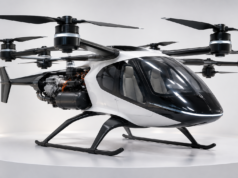
Czech startup Zuri is pushing the boundaries of hybrid electric vertical takeoff and landing (eVTOL) technology by testing a modified Rotax engine at the core of its innovative propulsion system. This development marks a significant milestone in the company’s mission to create a practical hybrid aircraft that balances the efficiency of electric motors with the range and reliability of conventional combustion power. As the personal air mobility industry races toward commercialization, Zuri’s approach represents one of the most promising pathways to delivering vehicles capable of handling real-world operational demands.
The Hybrid Propulsion Strategy Behind Zuri’s eVTOL
Zuri’s hybrid architecture represents a thoughtful engineering solution to one of the most pressing challenges facing eVTOL manufacturers: range limitations. While fully electric aircraft offer zero-emissions benefits and lower operating costs during flight, their battery capacity constrains mission distances and payload capabilities. By integrating a modified Rotax engine as a range extender or primary power source, Zuri is designing an aircraft that can operate efficiently on electric power for urban and short-range missions while maintaining the ability to undertake longer flights when necessary.
The Rotax engine, traditionally used in light aircraft and rotorcraft, is renowned for its reliability, proven performance, and lightweight design. By modifying this powerplant specifically for hybrid eVTOL applications, Zuri engineers are optimizing fuel efficiency and reducing emissions compared to conventional combustion-only aircraft. This hybrid strategy allows the company to hedge against the current limitations of battery technology while delivering a commercially viable product that can launch within the next few years rather than waiting for battery breakthroughs.
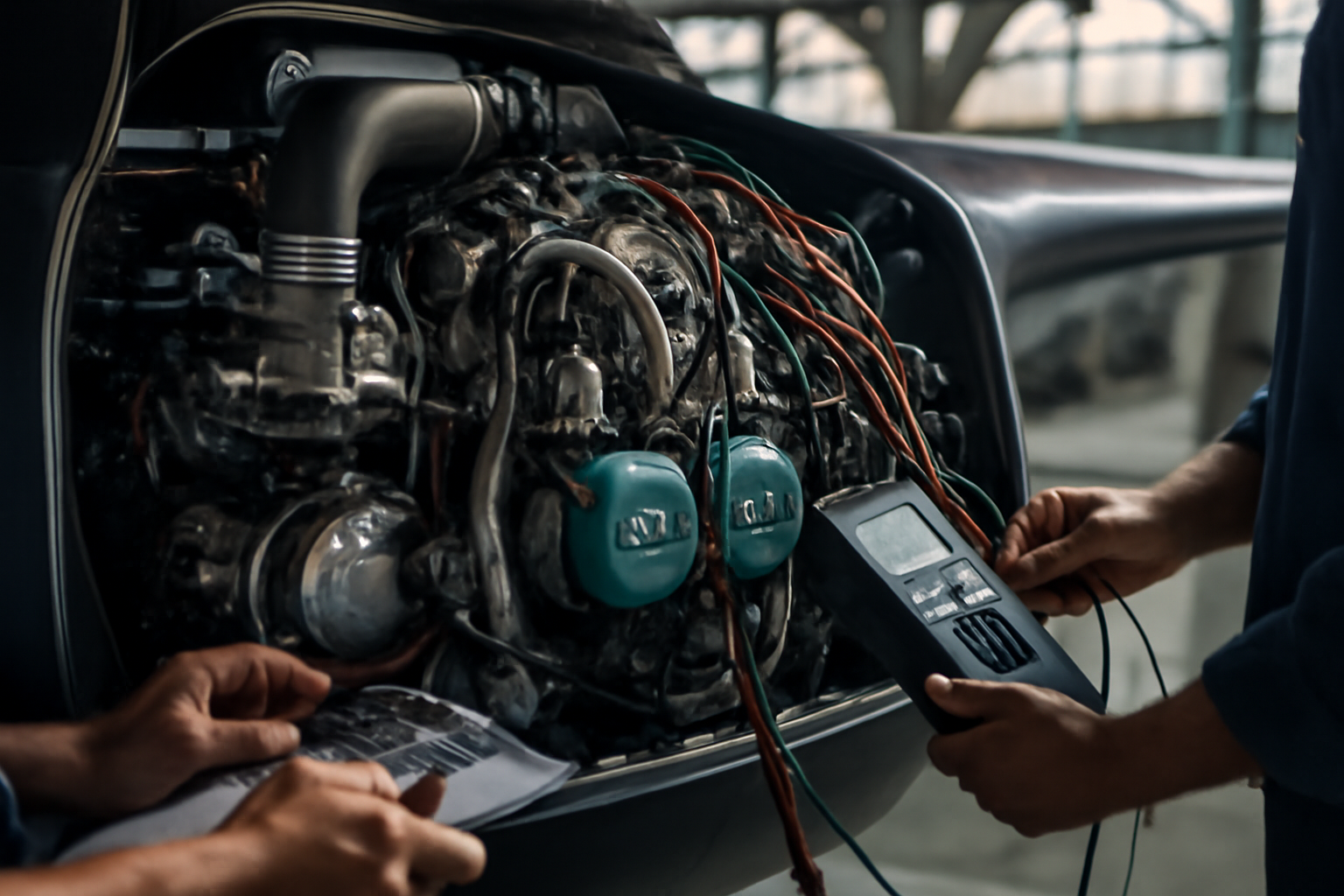
The testing phase is critical to validating the integration between the Rotax engine and Zuri’s electric propulsion components. Engineers must ensure seamless power management between combustion and electric systems, optimize fuel consumption, and verify that the modified engine meets the rigorous safety and performance standards required for crewed or uncrewed urban air mobility operations. Success in these tests will demonstrate that hybrid propulsion is a credible near-term solution for the eVTOL industry.
Czech Innovation in the Global eVTOL Race
Zuri’s emergence as a serious contender in the eVTOL market highlights the growing international competition in personal air mobility. While major players like Joby Aviation, Archer Aviation, and European manufacturers have dominated headlines, Czech startups and engineering firms are leveraging deep aerospace expertise and lower development costs to create competitive alternatives. Zuri’s focus on hybrid technology positions the company distinctly within a crowded field where most competitors are pursuing all-electric platforms or full combustion-based designs.
The Czech Republic has a strong aerospace heritage, with a skilled workforce and established supply chains for aviation components. This regional advantage enables Zuri to prototype, test, and iterate quickly while maintaining cost discipline. The modified Rotax engine testing announcement signals that Zuri has attracted sufficient funding and partnerships to advance from concept to hardware validation—a critical proof point for investor confidence and regulatory engagement with aviation authorities across Europe and potentially beyond.
Eastern European innovation in advanced air mobility also reflects broader geopolitical shifts in the aerospace industry. As Western manufacturers scale up and consolidate, nimble startups from Central Europe are carving out niches by pursuing alternative technical approaches. Zuri’s hybrid strategy and successful engine testing could influence how other manufacturers evaluate propulsion trade-offs and timeline-to-market decisions.
Rotax Engine Modifications for eVTOL Applications
Adapting the Rotax engine for Zuri’s hybrid eVTOL platform requires substantial engineering modifications beyond bolt-on integration. The original engine design was optimized for conventional light aircraft operating at cruise altitudes and steady power settings. In contrast, an eVTOL mission profile demands rapid power changes, vertical climbs, and variable operating conditions that stress different engine systems. Zuri’s modifications likely address fuel injection controls, exhaust systems, vibration characteristics, and thermal management to perform reliably in this demanding environment.
One of the key engineering challenges is weight optimization. Every kilogram added to an eVTOL’s powertrain reduces payload or battery capacity, directly impacting commercial viability. Rotax’s reputation for lightweight construction makes it an attractive starting point, but modifications must avoid unnecessary weight penalties while improving efficiency. This could include advanced fuel management electronics, modified combustion chamber design, or integration of lightweight materials in non-critical components.
Emissions and noise reduction are equally important considerations. Urban air mobility vehicles must meet strict environmental standards and operate with minimal noise disturbance if they are to gain public acceptance and regulatory approval. Zuri’s modified Rotax engine testing likely includes validation of low-emissions combustion and acoustic signatures that comply with emerging eVTOL certification requirements. Hybrid operation—using the engine primarily at optimized power levels rather than varying across a wide throttle range—inherently improves emissions performance.
Market Implications and Regulatory Pathway
Zuri’s hybrid eVTOL development sends important signals about the realistic timeline for commercial air mobility services. Regulatory authorities including EASA (European Union Aviation Safety Agency) and FAA are currently drafting certification standards for eVTOL aircraft. These standards reflect lessons from certified manned and unmanned aviation but must address novel configurations and operational concepts. Hybrid-electric propulsion systems introduce additional complexity to certification, requiring new test protocols and safety case development—yet they offer a pragmatic bridge to meaningful near-term deployment.
Airlines, air taxi operators, and emergency services are carefully monitoring technical progress and regulatory milestones. Potential customers want proven platforms with demonstrated range, reliability, and cost-effectiveness. A successfully validated hybrid eVTOL like Zuri’s could capture early market share by offering operational flexibility that fully electric competitors cannot yet match. In urban and regional air mobility scenarios where mission profiles vary widely, hybrid capability represents substantial competitive advantage during the critical 2026–2030 commercialization window.
The modified Rotax engine testing also demonstrates that Zuri is de-risking its development program through systematic hardware validation. Rather than relying solely on simulation or bench testing, hands-on engine testing confirms that theoretical engineering translates to real-world performance. This validation approach builds credibility with investors, regulatory authorities, and potential customers—stakeholders who will evaluate Zuri’s aircraft before committing resources or approvals to the platform.
Key Takeaways
- Zuri’s hybrid propulsion strategy using a modified Rotax engine addresses current battery limitations while enabling longer range and flexible mission profiles compared to all-electric eVTOL competitors.
- Czech engineering expertise and competitive cost structures position Zuri as a serious contender in the global eVTOL race, with hardware testing demonstrating progress toward near-term commercialization.
- Hybrid-electric certification and regulatory approval will become increasingly important as EASA and FAA finalize eVTOL standards, with successful platforms like Zuri’s opening pathways for early market deployment in air taxi and emergency services.
Zuri’s modified Rotax engine testing represents more than incremental progress—it signals a fundamental strategy choice that prioritizes near-term commercialization over waiting for battery breakthroughs. As the personal air mobility industry matures and competition intensifies, hybrid platforms will play a crucial role in establishing viable air taxi and regional transport services. The coming months will reveal whether Zuri’s technical approach delivers the reliability, efficiency, and regulatory compliance needed to succeed in one of aviation’s most competitive emerging markets.