HIGHLIGHTS
- Elon Musk unveils a fully functional flying Tesla Roadster that combines electric vehicle heritage with cutting-edge eVTOL technology, redefining personal air mobility.
- The revolutionary vehicle integrates Tesla’s battery innovation and autonomous systems with vertical takeoff capabilities, eliminating the need for runways.
- This breakthrough signals accelerated mainstream adoption of urban air mobility, with significant implications for transportation, infrastructure, and regulatory frameworks worldwide.
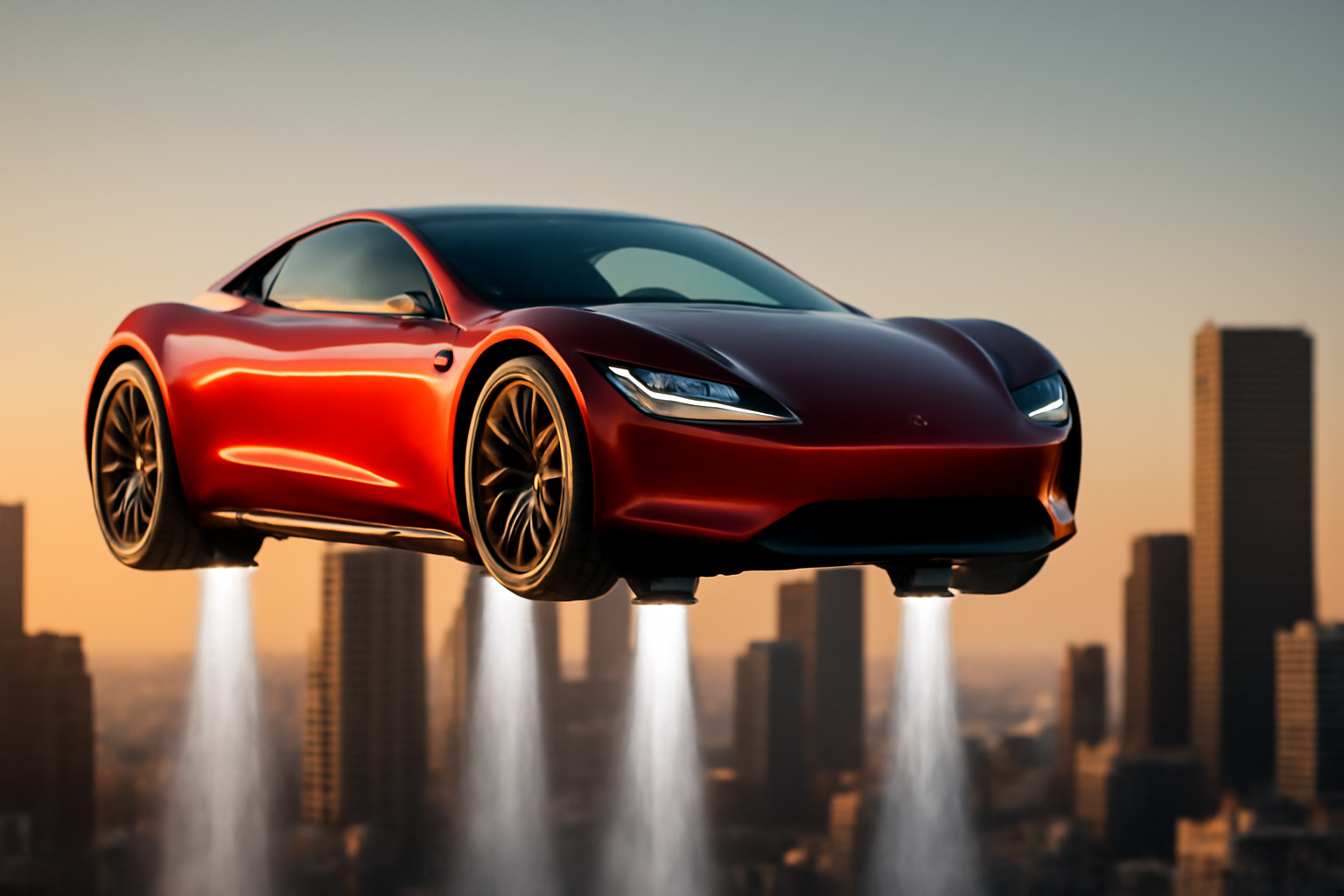
In a stunning move that has captured global attention, Elon Musk has unveiled Tesla’s most ambitious project yet: a fully functional flying Tesla Roadster that seamlessly merges ground-based electric vehicle innovation with advanced eVTOL (electric vertical takeoff and landing) technology. This extraordinary vehicle represents a pivotal moment in personal air mobility, bridging the gap between automotive engineering and aerospace innovation in ways previously thought to exist only in science fiction.
The Birth of an Icon: Tesla’s Flying Vision
The flying Tesla Roadster is not merely a concept or a speculative prototype—it is a working reality that combines everything Tesla has learned from years of battery technology development, autonomous systems design, and electric powertrain optimization. The vehicle maintains the iconic silhouette and aesthetic appeal of the original Roadster while incorporating revolutionary vertical lift mechanisms and advanced propulsion systems engineered for sustained flight.
This project represents the culmination of years of research into personal air mobility solutions. By leveraging Tesla’s expertise in battery management systems and electrical architecture, engineers have created a vehicle capable of transitioning from ground-based driving to full aerial flight. The integration of these systems required solving complex engineering challenges related to weight distribution, power allocation, and aerodynamic stability that previously seemed insurmountable.
The announcement has sent shockwaves through both the automotive and aerospace industries, with analysts and enthusiasts alike recognizing this moment as potentially transformative for the entire personal transportation sector. The flying Roadster demonstrates that electric mobility innovation extends far beyond traditional automotive applications, opening entirely new possibilities for how people move through urban and regional environments.
Technological Breakthrough: How It Works
At its core, the flying Tesla Roadster leverages cutting-edge battery technology specifically developed for the demands of aerial flight. The vehicle employs a distributed electric propulsion system with multiple vertical thrust units that enable controlled vertical ascent, descent, and hovering capabilities. Unlike conventional aircraft that require significant runway lengths, this Roadster can achieve takeoff from virtually any suitable launch point, including parking spaces and urban platforms.
The autonomous systems integrated into the flying Roadster draw heavily from Tesla’s Autopilot and Full Self-Driving technology development. These sophisticated algorithms manage flight stability, collision avoidance, route planning, and emergency protocols. The vehicle’s AI constantly processes sensor data from LIDAR, cameras, radar, and ultrasonic systems to maintain precise altitude, heading, and velocity control throughout the flight envelope.
Power management represents one of the most impressive aspects of this innovation. The vehicle’s battery system dynamically allocates electrical energy between propulsion systems, environmental control, navigation computers, and onboard systems. Engineers have optimized efficiency through advanced thermal management and regenerative power recovery systems that capture energy during descent and landing phases, extending overall flight range and improving operational efficiency.
Global Impact: Transforming Urban Mobility
The introduction of a fully operational flying vehicle from a company as influential as Tesla sends powerful signals to regulators, investors, and manufacturers worldwide. This breakthrough accelerates the timeline for mainstream adoption of urban air mobility solutions, pushing what many considered a 2030s or 2040s technology into immediate practical application. Cities and regions are already beginning to evaluate airspace management systems and regulatory frameworks necessary to accommodate this new class of vehicles.
The implications for urban congestion are substantial. By enabling point-to-point air travel that bypasses ground-level traffic entirely, the flying Roadster offers a transformative solution to one of modern civilization’s most persistent challenges. Commutes that currently consume hours trapped in traffic could potentially be completed in minutes through the air. This potential has attracted intense interest from municipal governments, transportation planners, and logistics companies evaluating how to integrate aerial vehicles into existing transportation networks.
Environmental benefits accompanying this technology are equally noteworthy. By replacing traditional fuel-burning vehicles with a zero-emission electric alternative for aerial mobility, the flying Roadster contributes significantly to decarbonization of the transportation sector. The shift toward electric vertical takeoff represents a parallel path to autonomous vehicles and shared mobility services, collectively reshaping how societies think about personal and commercial transportation.
Regulatory Challenges and Path Forward
Despite the remarkable technological achievement, the flying Tesla Roadster faces significant regulatory hurdles before widespread deployment becomes possible. Aviation authorities worldwide, including the FAA in the United States and EASA in Europe, must develop comprehensive certification standards, operational procedures, and safety protocols specific to this emerging vehicle category. These regulatory frameworks must address airspace management, pilot qualification requirements, vehicle certification standards, and emergency procedures.
Insurance and liability considerations present another complex challenge requiring resolution. Determining appropriate insurance coverage, establishing liability frameworks, and developing safety standards for vehicles operating in shared airspace requires collaboration between manufacturers, insurers, regulators, and safety experts. The industry is working rapidly to establish these frameworks, recognizing that regulatory clarity accelerates market development and investor confidence.
Public acceptance and safety perception will prove critical to market adoption. As with autonomous vehicles, consumer trust in flying technology requires demonstrated safety records, transparent development processes, and clear communication about capabilities and limitations. Tesla and other manufacturers are investing heavily in public education and demonstration programs designed to build confidence in aerial mobility solutions and establish social acceptance of this transformative technology.
The Broader eVTOL Ecosystem and Competition
Key Industry Developments
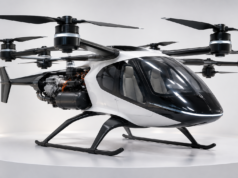
- Multiple aerospace companies including Joby Aviation, Archer Aviation, and Lilium have received significant regulatory milestones and investment funding, validating the commercial viability of eVTOL technology across the industry
- Traditional aircraft manufacturers including Airbus and Boeing have launched dedicated urban air mobility divisions, recognizing the strategic importance of this emerging market segment
- Urban air mobility infrastructure is becoming reality in select cities, with dedicated vertiports under construction and airspace integration systems in active development stages
Tesla’s entry into the personal air mobility market intensifies competition within the eVTOL ecosystem. While companies like Joby Aviation and Archer Aviation have focused on air taxi services designed for commercial passenger transport, Tesla’s flying Roadster targets the premium personal vehicle market. This differentiation strategy leverages Tesla’s brand strength in electric vehicles and positions the flying Roadster as an aspirational consumer product rather than a utilitarian transportation service.
The competitive landscape is rapidly evolving, with different manufacturers pursuing distinct market segments and technology approaches. Some companies emphasize autonomous operation and service-oriented models, while others prioritize recreational flying and personal ownership experiences. Tesla’s flying Roadster strategy appears to blend these approaches, combining premium personal ownership appeal with advanced autonomous capabilities and seamless integration with Tesla’s broader mobility ecosystem.
Industry analysts predict that successful eVTOL manufacturers will develop comprehensive ecosystems encompassing vehicle manufacturing, charging infrastructure, software platforms, and service networks. Tesla’s existing infrastructure advantages—including its Supercharger network, energy management expertise, and software capabilities—position the company favorably for capturing significant market share in this emerging sector. However, competition from specialized aerospace manufacturers with decades of aviation expertise ensures a dynamic and challenging market environment.
Consumer Expectations and Market Potential
The flying Tesla Roadster has immediately captured consumer imagination, with preliminary interest suggesting substantial demand among early adopters and high-net-worth individuals. The vehicle’s combination of iconic design heritage, advanced technology, and transformative capability creates powerful appeal across multiple demographic segments. Pre-order numbers and social media engagement metrics indicate market enthusiasm that exceeds initial industry projections.
Pricing and availability remain critical factors determining market penetration rates. Given the advanced technology, manufacturing complexity, and regulatory certification requirements, initial production units will command premium pricing. Tesla has indicated that production will scale progressively as manufacturing processes mature and supply chains stabilize, following the company’s established pattern with previous novel vehicle categories.
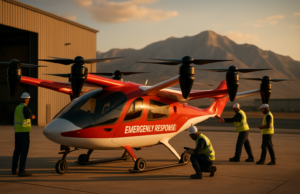
Long-term market potential extends far beyond individual consumers purchasing recreational flying vehicles. Commercial applications including emergency medical transport, cargo delivery, search and rescue operations, and emergency response could generate substantial revenue opportunities. This broader application space attracts intense interest from logistics companies, healthcare providers, and government agencies evaluating how aerial mobility solutions could improve operational efficiency and service delivery.
Conclusion
Elon Musk’s flying Tesla Roadster represents a watershed moment in personal transportation history, demonstrating that the integration of electric vehicle innovation with advanced aerospace engineering produces genuinely transformative results. This breakthrough validates decades of research into eVTOL technology while accelerating timelines for mainstream adoption of urban air mobility solutions. The vehicle’s combination of cutting-edge technology, iconic design, and practical capabilities establishes a new standard for what personal transportation can achieve. As regulatory frameworks evolve, manufacturing scales, and infrastructure develops, the flying Tesla Roadster will likely become the first widely recognized example of aerial personal vehicles entering mainstream consciousness. The world has entered a new era of mobility, and Elon Musk’s revolutionary Roadster is leading the way into the sky.