HIGHLIGHTS
- Joby Aviation targets September 2026 for its first US eVTOL pilot program flights, marking a critical transition from development to operational validation
- The pilot program will operate under FAA Special Federal Aviation Regulations with comprehensive safety protocols, restricted flight corridors, and real-time performance monitoring
- Successful execution would validate the eVTOL business model and regulatory pathway, accelerating commercial deployment across the urban air mobility industry
Joby Aviation, one of the leading developers of electric vertical takeoff and landing (eVTOL) aircraft, is preparing to make aviation history by launching its first US eVTOL pilot program flights as early as September 2026. This milestone represents years of development, regulatory coordination, and technical refinement, positioning Joby at the forefront of the emerging commercial urban air mobility industry.
Joby’s Path to the Pilot Program
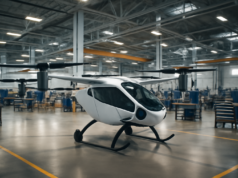
Joby Aviation has been working methodically toward this moment since its founding, investing heavily in aircraft development and regulatory engagement with the Federal Aviation Administration (FAA). The company’s six-seat eVTOL aircraft has undergone extensive testing and validation to meet stringent safety standards required for commercial operations in US airspace.
The September 2026 timeline represents the culmination of multiple development phases, including ground testing, simulation work, and increasingly complex flight trials. Joby’s engineering team has refined the aircraft’s battery systems, propulsion architecture, and autonomous flight management systems to ensure reliable and safe operations in diverse weather and traffic conditions.
This announcement comes at a critical juncture for the eVTOL industry, where regulatory approval timelines and technical readiness have become the primary constraints on commercial deployment. Joby’s ability to execute on this schedule would demonstrate that advanced air mobility is transitioning from concept to operational reality.
Regulatory and Safety Considerations
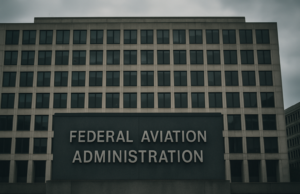
The FAA’s certification process for novel aircraft has been rigorous but fair, requiring Joby to demonstrate exceptional safety records and redundant systems. The pilot program will likely operate under Special Federal Aviation Regulations (SFAR) that allow for controlled demonstration flights while gathering operational data to inform future commercial rules.
Safety protocols for the pilot program will be comprehensive, including restricted flight corridors, weather limitations, and continuous monitoring of aircraft performance and environmental factors. Joby has coordinated extensively with the FAA to ensure that the pilot program generates the real-world operational data necessary to support broader commercial deployment.
The regulatory framework being developed through this pilot program will serve as a template for other eVTOL operators seeking to enter the US market. Successful execution of these flights could accelerate the timeline for additional companies seeking to launch their own pilot programs.
Market Implications and Industry Impact
Joby’s September 2026 pilot program represents a watershed moment for urban air mobility, demonstrating that commercial eVTOL operations are no longer theoretical. The success or challenges encountered during these flights will provide invaluable insights for the broader industry, including other developers, infrastructure providers, and potential operators.
The timing of Joby’s pilot program could influence investor confidence in the eVTOL sector, which has faced skepticism regarding commercialization timelines and economic viability. Successful demonstration flights would validate the business model and operational feasibility of on-demand aerial transportation services.
Competitors including Lilium, Archer Aviation, and Vertical Aerospace are pursuing similar certification pathways, creating healthy competition that will accelerate innovation and operational maturity across the industry. Joby’s achievement would not suppress competitor progress but rather validate the market opportunity and regulatory pathway.
Operational and Infrastructure Readiness
Beyond the aircraft itself, Joby’s pilot program requires coordinated development of vertiport infrastructure, ground operations procedures, and passenger handling systems. The company has been working with airports and infrastructure partners to identify and prepare suitable locations for pilot program operations.
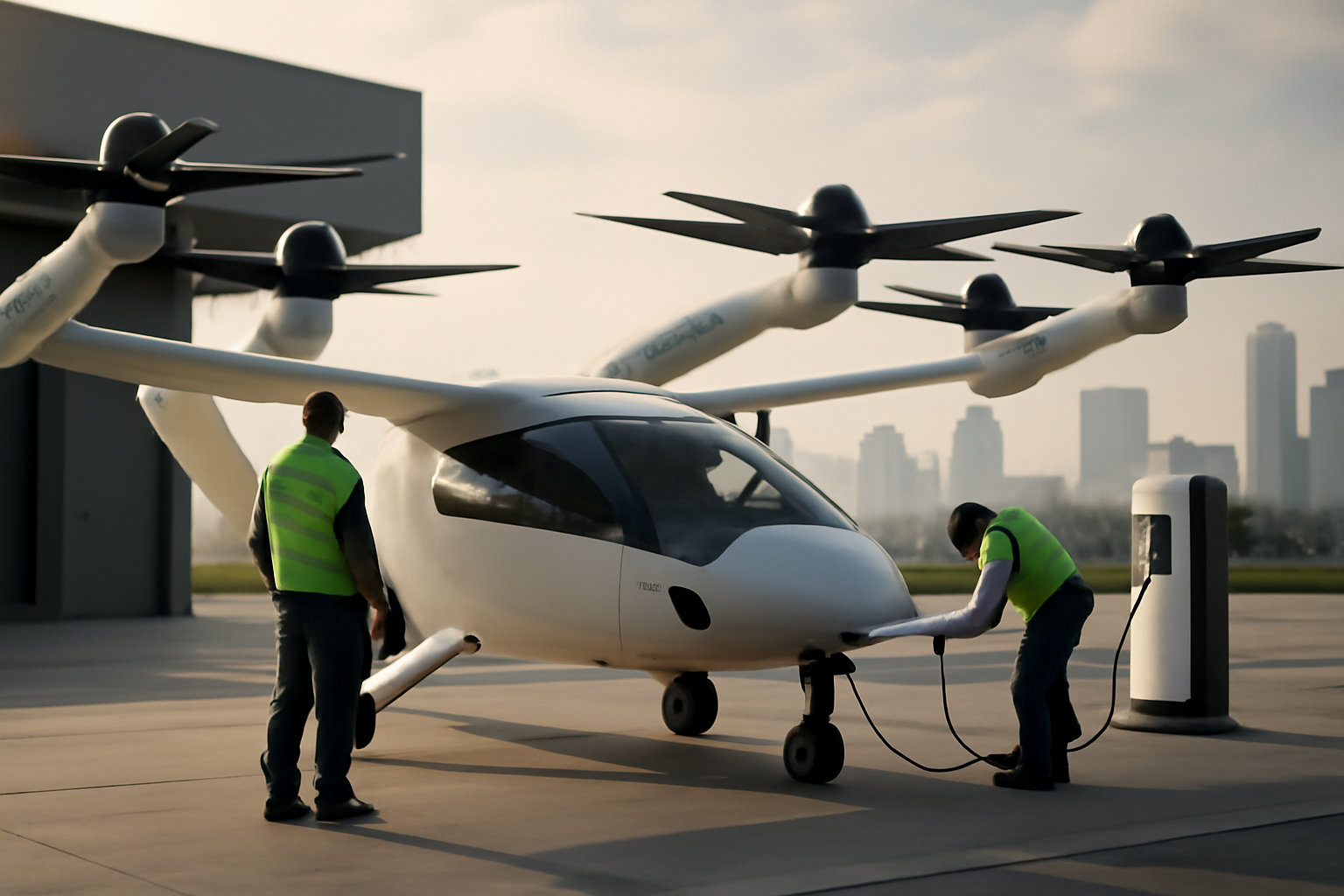
Battery charging infrastructure and maintenance facilities must be established to support safe and efficient operations. Joby’s supply chain partnerships, particularly for advanced battery systems and propulsion components, have been refined to ensure reliability and performance consistency across the aircraft fleet.
Pilot training and certification requirements represent another critical preparatory element. Joby has been developing pilot qualification standards and training programs to ensure that crews are adequately prepared for eVTOL operations, which differ significantly from conventional helicopter or fixed-wing operations.
Key Considerations for Joby’s Pilot Program Launch
- Regulatory coordination with the FAA on restricted airspace, operational limits, and data collection requirements during the pilot phase
- Completion of vertiport infrastructure and ground operations facilities necessary to safely conduct and support pilot program flights
- Validation of battery performance, propulsion reliability, and autonomous flight systems across diverse operational scenarios
- Establishment of safety protocols and emergency procedures that exceed industry standards and regulatory expectations
Joby Aviation’s September 2026 target for first US eVTOL pilot program flights marks a turning point in the evolution of urban air mobility. If achieved, these flights will demonstrate that electric vertical aircraft can be operated safely and reliably in the US airspace, opening pathways for broader commercial deployment. The success of this milestone will reverberate throughout the industry, validating the business model, regulatory framework, and technical feasibility of advanced air mobility services. As Joby prepares for this historic moment, the entire aviation and transportation sectors will be watching closely to see if the promise of urban eVTOL operations becomes operational reality.