HIGHLIGHTS
- U.S. Army awards new contract to Elroy Air for hybrid-electric VTOL testing and evaluation, marking major military sector adoption of advanced air mobility technology
- Hybrid-electric propulsion delivers reduced fuel consumption, lower maintenance costs, and decreased acoustic/thermal signatures compared to traditional military helicopters
- Successful evaluation could catalyze Department of Defense-wide adoption and establish new procurement standards for electric/hybrid aircraft across military aviation units
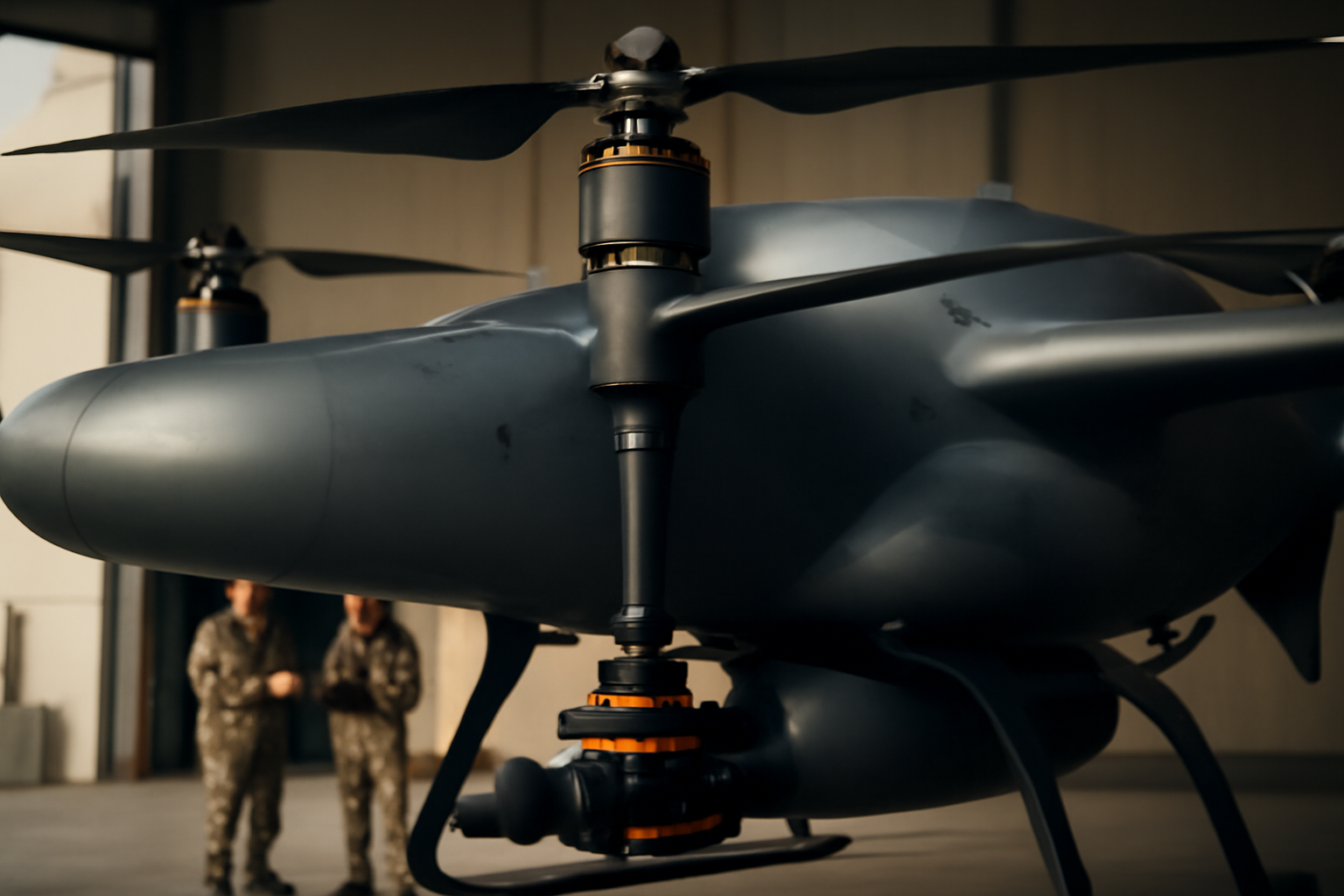
The United States Army has entered into a new contract to test and evaluate Elroy Air’s hybrid-electric vertical takeoff and landing (VTOL) aircraft, marking a significant milestone in military adoption of advanced air mobility technology. This development represents a pivotal moment for the defense sector’s integration of sustainable aviation platforms, as the Army explores innovative solutions to enhance logistics capabilities, reduce operational costs, and support rapid deployment scenarios. The announcement underscores growing military interest in electric and hybrid-electric propulsion systems as viable alternatives to traditional fuel-dependent aircraft.
Elroy Air’s Hybrid-Electric Technology Platform
Elroy Air has developed a cutting-edge hybrid-electric VTOL system designed specifically to address the demanding requirements of military operations. The aircraft combines conventional fuel-based power with electric propulsion to achieve enhanced efficiency, extended range, and reduced emissions compared to purely combustion-powered alternatives. This hybrid architecture allows the platform to optimize fuel consumption during different flight phases, offering operational flexibility that pure electric systems cannot yet provide at scale.
The company’s engineering approach focuses on practical deployment scenarios where range and payload capacity remain critical constraints. By integrating battery technology with traditional engines, Elroy Air’s design overcomes current limitations in all-electric VTOL development, enabling longer missions and heavier cargo loads. This technological compromise represents a realistic near-term solution for military applications requiring proven reliability and extended operational endurance.
The hybrid-electric system also features advanced battery management systems and intelligent power distribution, allowing pilots and mission planners to optimize energy usage based on specific operational requirements. This flexibility makes the platform adaptable to diverse military scenarios, from urban logistics operations to remote area resupply missions where conventional helicopter support proves logistically challenging.
Military Logistics and Strategic Deployment Applications
The Army’s interest in VTOL technology stems from a strategic need to modernize logistics infrastructure and reduce dependence on ground-based transport routes. Hybrid-electric platforms like Elroy Air’s system can rapidly deliver supplies, equipment, and personnel to forward operating locations without requiring traditional runway infrastructure. This capability significantly accelerates response times during emergency operations and enhances overall mission flexibility in complex operational theaters.
Military logistics currently rely heavily on helicopters and fixed-wing transport aircraft, which consume substantial fuel volumes and require dedicated maintenance infrastructure. VTOL platforms powered by hybrid-electric systems promise to reduce these operational burdens while maintaining comparable payload and range capabilities. The Army’s evaluation process will assess how effectively these aircraft integrate into existing command structures, training protocols, and maintenance ecosystems.
Beyond supply delivery, Elroy Air’s VTOL platform could support personnel transport, medical evacuation, and emergency response missions. The ability to land and take off vertically in urban or congested environments—without requiring airfields—opens new possibilities for rapid deployment strategies. Testing these capabilities under controlled military conditions will generate critical data for broader adoption across defense branches.
Technological Advantages Over Traditional Aircraft
Hybrid-electric VTOL aircraft offer several operational advantages compared to conventional military helicopters and transport planes. The reduced acoustic signature of electric-assisted propulsion enhances stealth characteristics and minimizes environmental impact in populated or sensitive areas. Lower maintenance requirements—due to fewer moving parts in electric motor systems—translate to increased aircraft availability and reduced lifecycle costs for military operators.
The efficiency gains inherent in hybrid-electric propulsion systems represent significant cost savings at scale. Military aviation budgets face constant pressure, and platforms that deliver equivalent performance with reduced fuel consumption directly impact strategic readiness and fiscal responsibility. Elroy Air’s design addresses these economic imperatives while maintaining the operational performance standards demanded by defense procurement processes.
Additionally, hybrid-electric systems generate less heat signature, improving survivability in contested environments where thermal detection represents a tactical threat. The combination of reduced acoustic, thermal, and environmental footprints creates a multi-domain advantage that traditional aircraft cannot easily replicate. These technological benefits align with broader military modernization strategies emphasizing advanced capabilities and operational efficiency.
Testing Framework and Evaluation Protocols
The Army’s contract with Elroy Air establishes a comprehensive testing framework to evaluate the VTOL platform across multiple performance parameters and operational scenarios. This evaluation likely includes payload capacity assessments, range testing, takeoff and landing procedures in various terrain types, and integration compatibility with existing Army systems and procedures. The testing regimen ensures rigorous validation before any potential large-scale procurement decisions.
Military aircraft certification requires extensive documentation and proof of reliability across diverse operational conditions. The evaluation contract allows Army personnel to assess pilot training requirements, maintenance protocols, and logistical support infrastructure necessary for fleet-wide deployment. This data collection phase proves essential for understanding the true operational costs and benefits of transitioning to hybrid-electric VTOL platforms.
Successful testing could pave the way for follow-on production contracts and integration into Army aviation units. The evaluation results will likely inform policy decisions across the Department of Defense regarding electric and hybrid-electric aircraft adoption. Industry analysts view this testing program as a potential catalyst for accelerated development and commercialization of military-grade VTOL platforms throughout the defense sector.
Key Takeaways from Army VTOL Evaluation
- Enhanced logistics efficiency through vertical takeoff and landing capability without runway requirements
- Reduced operational costs via hybrid-electric propulsion compared to traditional fuel-dependent military aircraft
- Strategic defense modernization supporting rapid deployment and emergency response capabilities
The Army’s contract with Elroy Air represents a watershed moment for electric and hybrid-electric aviation technology in the military sector. As defense organizations worldwide evaluate next-generation air mobility solutions, successful testing and validation of advanced propulsion systems will likely accelerate broader adoption timelines. Elroy Air’s hybrid-electric VTOL platform demonstrates that practical, mission-ready technology exists today to support military modernization objectives. The outcomes of this evaluation could establish benchmarks for future military aviation procurement strategies, potentially reshaping how the defense sector approaches logistics, deployment, and operational readiness throughout the coming decade.