HIGHLIGHTS
- Joby Aviation announces acceleration of commercial eVTOL operations, targeting first passenger flights in 2026.
- The company’s all-electric aircraft represents a significant step toward sustainable urban air mobility solutions.
- Joby’s milestone demonstrates regulatory progress and investor confidence in the eVTOL industry’s commercial viability.
In a landmark announcement that signals the imminent arrival of commercial electric vertical takeoff and landing (eVTOL) services, Joby Aviation has unveiled plans to launch its first eVTOL passenger flights in 2026. This pivotal milestone represents years of engineering, regulatory collaboration, and investment coming to fruition—transforming the concept of urban air mobility from ambitious vision into operational reality.
Joby Aviation’s Path to Commercial Operations
Joby Aviation has been at the forefront of eVTOL development since its founding, attracting significant capital and partnerships to accelerate its journey toward commercialization. The company’s all-electric aircraft is engineered to carry passengers with near-silent propulsion, zero direct emissions, and impressive energy efficiency compared to traditional helicopters or ground-based transportation.
The 2026 timeline represents a carefully calibrated plan that balances rapid commercialization with rigorous safety protocols. Joby has worked extensively with the Federal Aviation Administration (FAA) to develop and validate certification standards for eVTOL operations, ensuring that the first passenger flights meet or exceed existing aviation safety benchmarks.
By targeting 2026 for passenger operations, Joby positions itself as one of the earliest commercial eVTOL service providers in North America. This aggressive timeline builds on years of test flights, regulatory submissions, and operational planning that have established the company’s credibility and technical maturity within the industry.
Technological Innovations Enabling Commercial Flight
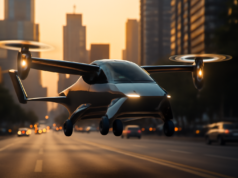
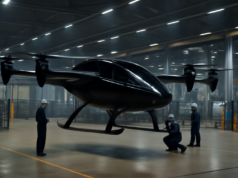
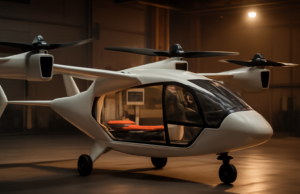
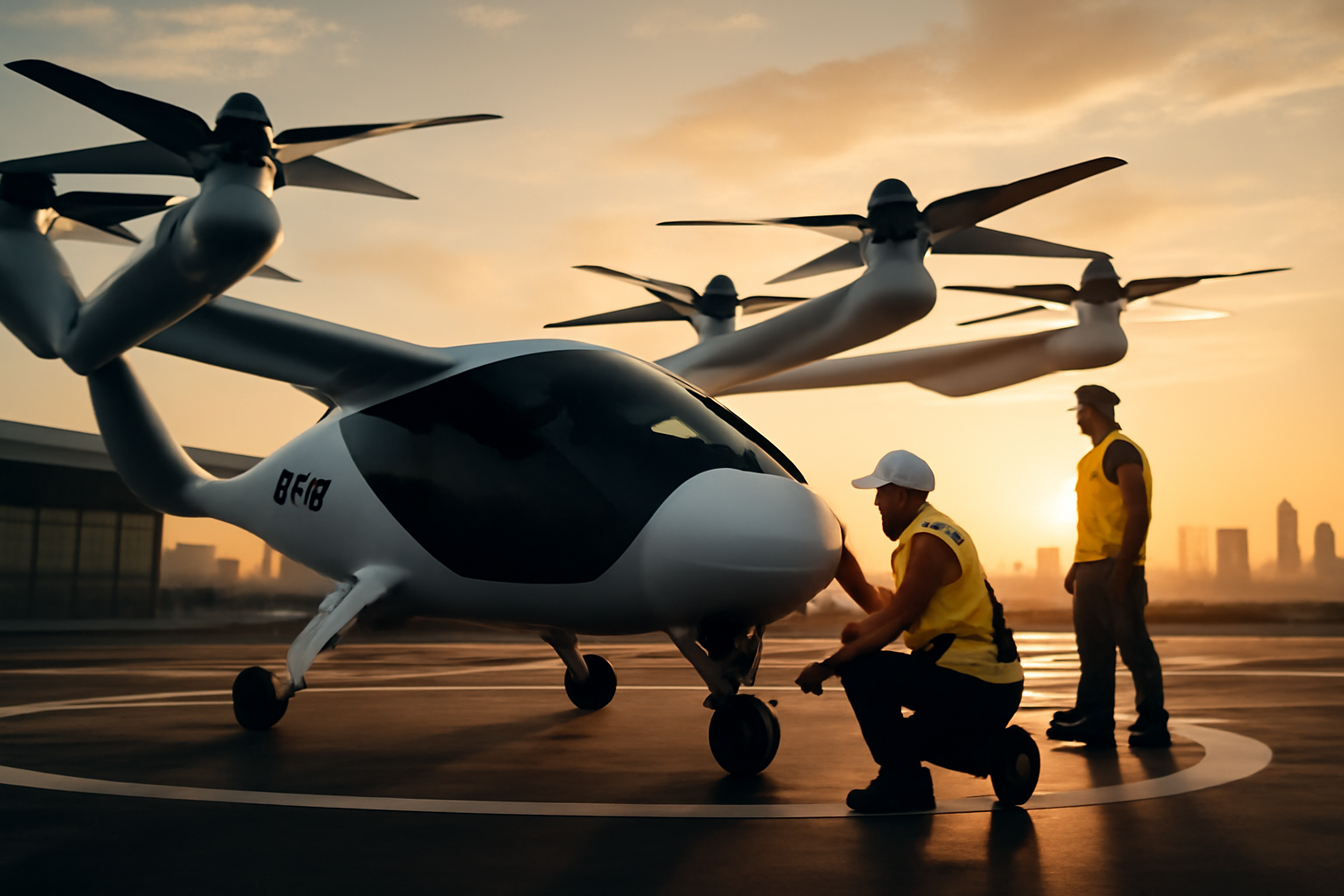
Joby’s aircraft design incorporates cutting-edge battery technology, advanced materials, and distributed electric propulsion systems that deliver exceptional performance characteristics. The six-rotor configuration provides redundancy and hover stability, critical factors for passenger safety and regulatory certification.
The company’s power system has undergone rigorous testing to ensure reliable performance across diverse weather conditions and operational scenarios. Battery energy density and thermal management systems have been optimized to deliver sufficient range and payload capacity for point-to-point urban routes, typically covering 25 to 35 miles per flight.
Joby’s avionics and autonomous flight systems represent state-of-the-art integration of hardware and software, designed to optimize safety, efficiency, and passenger experience. These systems have been validated through extensive simulation and flight testing, providing confidence in the aircraft’s readiness for commercial service.
Regulatory Framework and Safety Standards
The path to commercial eVTOL operations requires comprehensive regulatory certification from aviation authorities. Joby has been actively engaged with the FAA’s Special Conditions process and Type Certification pathway, working to establish clear safety, performance, and operational standards specific to eVTOL aircraft.
Regulatory bodies worldwide—including the FAA, EASA (European Union Aviation Safety Agency), and others—have been developing frameworks that balance innovation with safety. These frameworks address unique characteristics of eVTOL operations, including electric propulsion, automated flight systems, and urban operating environments.
By 2026, Joby anticipates completing its Type Certification process and obtaining operational approval from the FAA. This achievement will establish precedent for other eVTOL operators and demonstrate that commercial electric air mobility can be integrated into existing airspace and airport infrastructure safely and efficiently.
Market Implications and Industry Impact
Joby’s announcement carries significant implications for the broader eVTOL industry, venture capital funding landscape, and urban transportation planning. A successful commercial launch by a well-capitalized, technologically advanced operator validates the business model and attracts additional investment and talent to the sector.
Other eVTOL developers—including Archer Aviation, Lilium, Beta Technologies, and others—are pursuing parallel commercialization timelines. However, Joby’s early entry into service positions the company as a market leader and establishes operational playbooks that competitors and regulators will reference.
Airport authorities, municipal governments, and transportation planners are increasingly incorporating eVTOL operations into strategic infrastructure and mobility planning. Initial routes are likely to connect downtown areas with major airports, reducing ground transportation time and congestion while providing a sustainable alternative to traditional helicopter services or car-based travel.
Key Takeaways from Joby’s 2026 Timeline
- Joby Aviation’s 2026 passenger flight launch represents a major inflection point in eVTOL commercialization, validating years of technological development and regulatory engagement.
- The company’s all-electric propulsion system and advanced avionics demonstrate that safe, sustainable urban air mobility is technically feasible and operationally viable.
- Successful commercial launch by Joby will establish regulatory precedent and operational frameworks that accelerate adoption of eVTOL services globally.
Joby Aviation’s plan to commence passenger flights in 2026 marks a watershed moment for electric vertical takeoff and landing aviation. As the company navigates final certification hurdles and prepares operational infrastructure, the industry watches closely—recognizing that successful commercialization will redefine urban transportation and establish eVTOL technology as a cornerstone of sustainable mobility for decades to come.