
HIGHLIGHTS
- Gov. Ron DeSantis announces eVTOL and flying vehicle operations launching in Central Florida by the end of 2026
- Florida positions itself as a leading hub for urban air mobility innovation and advanced transportation infrastructure
- Central Florida selected as initial deployment region, signaling rapid commercialization of personal air mobility in the U.S.
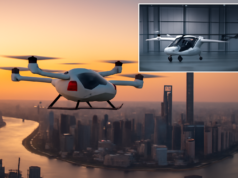
In a significant move toward realizing the vision of urban air mobility in the United States, Florida Governor Ron DeSantis announced that flying vehicles and electric vertical takeoff and landing (eVTOL) aircraft will be operational in Central Florida by the end of 2026. This announcement marks a major milestone in the commercialization of personal air mobility, positioning Florida as a pioneering state in the adoption of advanced transportation technologies. The initiative reflects growing momentum in the industry and demonstrates practical commitment from state leadership to implement next-generation aviation infrastructure.
Florida’s Strategic Position in Urban Air Mobility
Florida has emerged as an ideal location for testing and deploying eVTOL and flying vehicle technologies, thanks to its favorable climate, established aerospace industry presence, and progressive regulatory approach. The state’s geography, with multiple population centers and existing transportation challenges, makes it a natural candidate for real-world air mobility solutions. DeSantis’s announcement underscores Florida’s commitment to becoming a leading hub for advanced transportation innovation in North America.
Central Florida, in particular, offers unique advantages for eVTOL operations. The region encompasses major population centers including Orlando, which faces growing ground transportation congestion. By introducing flying vehicles to this densely populated area, Florida can demonstrate the practical benefits of urban air mobility to millions of residents and create a replicable model for other states. This selection also positions Central Florida as a potential epicenter for manufacturing, maintenance, and support infrastructure related to eVTOL operations.
The state’s investment in air mobility infrastructure aligns with broader economic development goals. As eVTOL operators establish operations in Florida, they will bring jobs in engineering, maintenance, air traffic management, and related sectors. This economic development opportunity, combined with the appeal of being an early adopter of cutting-edge technology, strengthens Florida’s position as a leader in the advanced transportation sector.
Timeline and Implementation Expectations
The announcement that flying vehicles will be operational by the end of 2026 provides a clear timeline for deployment and signals the advanced stage of planning already underway. This compressed timeframe—just months away from the announcement—suggests that significant groundwork has already been completed, including regulatory coordination, infrastructure planning, and industry partnerships. Meeting this deadline will require coordination across multiple stakeholders, including the FAA, local aviation authorities, and commercial eVTOL operators.
Implementation will likely begin with limited operations during a trial phase, allowing regulators and operators to gather data on real-world performance, safety, and integration with existing air traffic systems. Central Florida’s airspace is already complex due to proximity to major tourist destinations and military installations, making it an excellent testing ground for advanced air traffic management systems. These early operations will provide valuable insights that can inform regulatory frameworks and operational procedures for broader rollout across the country.
The timeline also reflects the maturation of eVTOL technology itself. Multiple manufacturers have advanced their aircraft through design verification and certification stages, with several approaching or achieving regulatory approval. The convergence of technological readiness, regulatory clarity, and political support has created a window of opportunity for rapid deployment in 2026.
Regulatory and Safety Considerations
Operating flying vehicles in Central Florida’s airspace requires careful coordination with the Federal Aviation Administration (FAA), which maintains authority over all civil aviation in the United States. The FAA has been actively developing special conditions and operational rules for eVTOL aircraft, recognizing the potential for this technology to transform urban transportation. Florida’s initiative will likely involve close collaboration with the FAA to establish precedent-setting operational procedures and safety standards.
Safety remains paramount in any eVTOL operation, particularly in densely populated areas like Central Florida. Operators will need to demonstrate robust systems for vehicle autonomy, collision avoidance, emergency response, and cybersecurity. The rigorous certification process ensures that aircraft meet stringent safety requirements before carrying passengers, and ongoing monitoring during operations will help validate real-world performance. These safety measures protect both passengers and people on the ground.
Insurance and liability frameworks are also being developed in parallel with technical and regulatory efforts. Insurers are working with manufacturers and operators to establish appropriate coverage models that reflect the unique risk profile of eVTOL operations. These financial protections provide additional assurance to passengers and operators that adequate safeguards are in place for unforeseen incidents.
Industry Impact and Market Implications
DeSantis’s announcement will likely accelerate interest from eVTOL manufacturers and operators eager to secure early-market positions. Companies such as Joby Aviation, Archer Aviation, and others have been pursuing certification and commercialization timelines aligned with this 2026 target. Florida’s official support and clear operational pathway provides these companies with the confidence needed to invest in infrastructure, personnel, and logistics in the state. This competitive interest will drive innovation and investment.
The economic implications extend beyond the immediate eVTOL operators. Supply chain companies, maintenance providers, training facilities, and air traffic management service providers will all benefit from Central Florida becoming an operational hub for flying vehicles. The region could emerge as a center of excellence for UAM (urban air mobility) expertise, attracting talent and investment from around the world. This ecosystem development could position Florida as the leading state in the emerging air mobility industry.
Consumer benefits may begin modestly with premium transportation services for high-value routes, such as connections between Orlando International Airport and major hotels or business districts. As technology matures and economies of scale develop, eVTOL operations could eventually expand to include more extensive urban networks. Early adopters in Florida will gain firsthand experience with this transformative technology and influence its trajectory in the broader market.
Broader Implications for Urban Air Mobility in the U.S.
Florida’s move to bring flying vehicles to Central Florida by 2026 sends a powerful signal to other states and municipalities about the feasibility and benefits of urban air mobility. As federal regulations become clearer and technology matures, other regions will look to Florida’s experience as a model for their own initiatives. This pioneering effort could accelerate the national adoption timeline for eVTOL services and create pressure on other states to develop supportive policies and infrastructure.
The announcement also reflects a growing recognition among political leaders that eVTOL technology addresses real transportation challenges. Urban congestion, infrastructure constraints, and the need for efficient point-to-point connectivity are problems faced by cities across the country. By embracing eVTOL operations, Florida demonstrates that addressing these challenges through innovation is both possible and economically advantageous. This mindset may inspire similar initiatives in other major metropolitan areas.
International implications are significant as well. Countries around the world are competing to become leaders in urban air mobility, with cities in Europe and Asia also advancing eVTOL deployment plans. Florida’s proactive stance helps ensure that the United States remains at the forefront of this transformative industry and that American manufacturers and operators capture a substantial share of the emerging global market for air mobility services.
Key Takeaways: Central Florida’s eVTOL Revolution
- Gov. DeSantis’s announcement establishes Central Florida as an operational hub for eVTOL and flying vehicles by end of 2026, accelerating real-world commercialization of urban air mobility.
- Florida’s strategic geographic position, aerospace expertise, and regulatory support create ideal conditions for demonstrating eVTOL technology benefits in a major population center.
- This initiative will likely inspire similar efforts nationwide, potentially establishing American dominance in the emerging global urban air mobility market.
The announcement by Governor Ron DeSantis that flying vehicles will operate in Central Florida by year’s end 2026 represents a watershed moment for urban air mobility in the United States. Florida’s commitment to deploying eVTOL technology in a major metropolitan area demonstrates that the future of transportation is transitioning from concept to reality. As infrastructure develops, safety systems are validated, and regulatory frameworks are refined, Central Florida will serve as a proving ground for air mobility solutions that could eventually transform how millions of Americans travel. The convergence of technological maturity, regulatory clarity, and political will has created an unprecedented opportunity to reshape urban transportation. The eyes of the nation will be on Central Florida as this exciting new chapter in aviation unfolds.