
HIGHLIGHTS
- Ukrainian drone strike in Bryansk region kills two civilians, expanding unmanned operations deep into Russian territory
- Drones have become central to modern asymmetric warfare, bypassing traditional air defenses and extending military reach
- Civilian casualties expose gap between precision-strike technology claims and humanitarian law accountability frameworks
Cross-border drone operations continue to intensify in Eastern Europe as Ukrainian unmanned systems strike targets deep within Russian territory. On August 6, 2026, Ukrainian military drones conducted operations in Russia’s Bryansk region, resulting in civilian casualties according to regional officials. This latest incident underscores the evolving nature of modern conflict, where commercial and military drone technology plays a central role in warfare beyond traditional frontlines.
The Strategic Role of Drone Warfare in the Ukraine-Russia Conflict
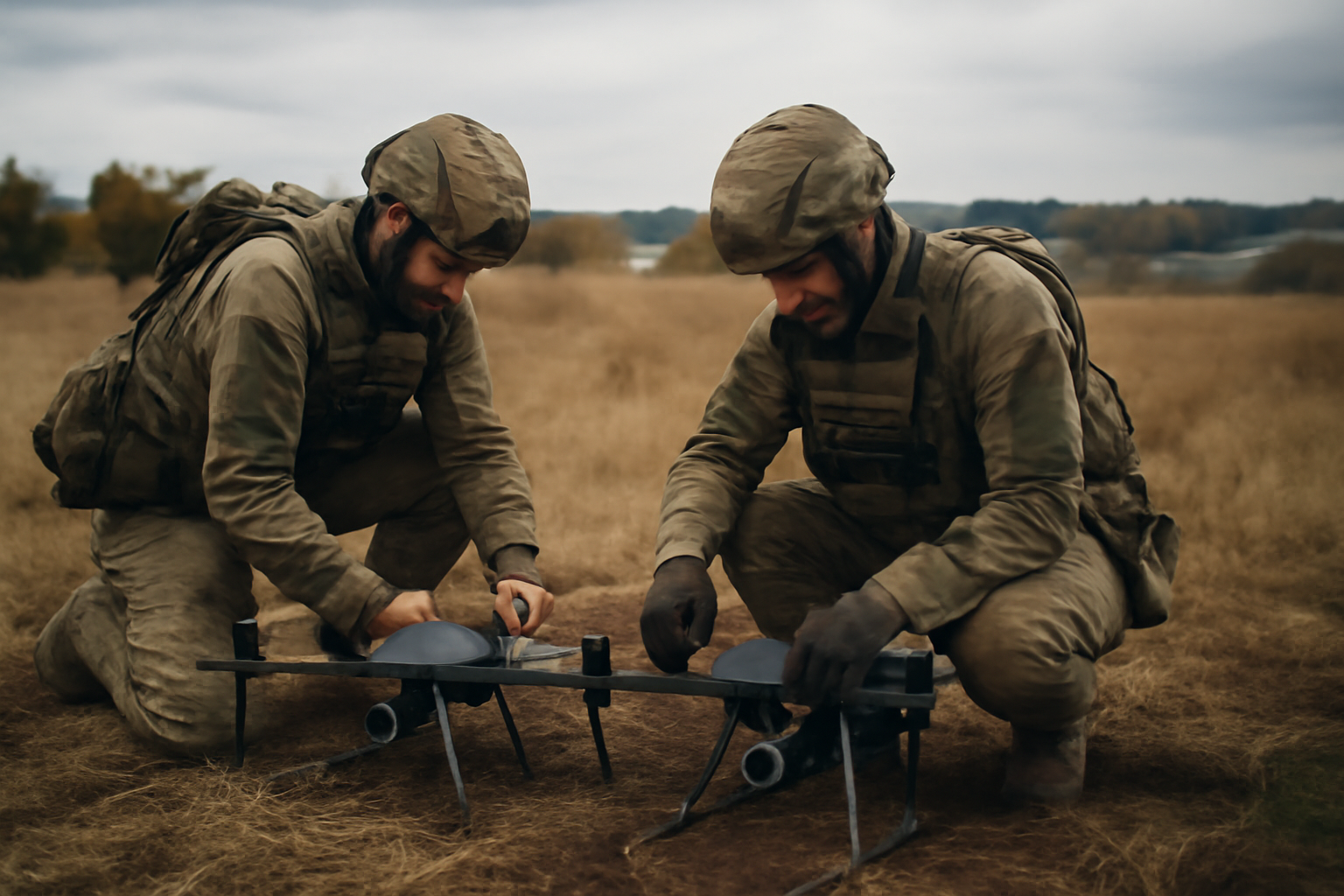
Unmanned aerial systems have become a cornerstone of Ukrainian military strategy since the escalation of hostilities. Unlike traditional aircraft, drones offer tactical flexibility, reduced pilot risk, and the ability to conduct precision operations across contested airspace. Ukrainian forces have demonstrated increasing sophistication in adapting commercial drone technology for military purposes, including surveillance, reconnaissance, and direct strike capabilities.
The use of drones has fundamentally altered the battlefield calculus, allowing smaller, resource-constrained forces to project power across greater distances. Ukrainian operators have successfully modified consumer-grade and purpose-built military drones to deliver payloads, conduct surveillance missions, and coordinate complex multi-asset operations. This democratization of aerial capability has forced both Ukrainian and Russian forces to develop new defensive and offensive strategies centered on unmanned systems.
The strategic implications extend beyond immediate tactical gains. Drone operations into Russian territory, particularly in populated regions like Bryansk, demonstrate Ukraine’s ability to strike targets far from the primary conflict zones. This capability serves both military objectives—targeting infrastructure and military installations—and psychological warfare, challenging Russian perceptions of territorial security and home front vulnerability.
Civilian Impact and the Humanitarian Dimensions of Unmanned Warfare
The reported civilian casualties in Bryansk highlight the tragic consequences of drone-based military operations in proximity to populated areas. Cross-border strikes inherently carry risks of collateral damage, particularly when operations occur near civilian infrastructure or residential zones. The Bryansk region, while hosting military and industrial installations, also contains civilian populations whose presence complicates targeting decisions and raises ethical concerns about precision warfare claims.
Humanitarian organizations have increasingly documented civilian harm resulting from drone strikes, particularly in asymmetric conflicts where unmanned systems operate with varying degrees of precision and targeting protocols. The challenge of distinguishing military from civilian infrastructure, coupled with the speed and reach of drone operations, creates scenarios where innocent bystanders bear the costs of technological warfare. Each incident adds to the growing body of evidence that drone technology, despite its precision-strike promises, remains susceptible to tragic errors and misidentification.
International humanitarian law frameworks struggle to keep pace with drone warfare evolution. The incident in Bryansk exemplifies the gap between technology capability and legal/ethical oversight. Questions about proportionality, distinction between combatants and civilians, and accountability mechanisms remain inadequately addressed in the context of cross-border unmanned operations conducted by non-state or irregular military entities.
Russian Defensive Measures and Air Defense Evolution
Russia has invested heavily in air defense systems designed to counter drone threats, yet Ukrainian drones continue to penetrate deep into Russian airspace. The Bryansk operation suggests either successful evasion of existing defenses, sophisticated electronic warfare countermeasures, or vulnerabilities in Russian air defense coordination. Russia has deployed layered air defense networks including short-range systems, electronic warfare assets, and fighter aircraft, yet drone operations persist.
The Bryansk region hosts significant military and industrial infrastructure, making it a strategic target. Russian forces have implemented various defensive strategies, including decoy systems, passive air defense measures, and active interception. However, the proliferation of affordable unmanned platforms and the difficulty in defending against swarms of small, low-altitude targets present persistent challenges. Russian officials have increasingly called for enhanced air defense capabilities and better coordination between military branches.
The defensive challenge extends beyond hardware to operational doctrine. Russian military planners must balance resource allocation between stationary defense systems and mobile, distributed defenses capable of addressing the asymmetric threat posed by drone operations. Each successful Ukrainian strike demonstrates gaps in current defensive postures and accelerates demand for technological upgrades and tactical innovations in Russian military planning.
Geopolitical Implications and International Response
The expansion of drone operations into Russian territory raises broader questions about conflict escalation, international borders, and the future of asymmetric warfare in Europe. Ukrainian drone strikes deep within Russian airspace represent a significant escalation in the geographic scope and intensity of operations. These incidents attract international attention and influence diplomatic calculations regarding cease-fire negotiations, military aid provision, and international sanctions regimes.
NATO countries closely monitor drone warfare developments in Ukraine, recognizing that innovations tested here may have implications for future conflicts involving alliance members. The demonstrated capability to strike targets far from frontlines using affordable, relatively simple unmanned systems has immediate relevance to military planning across Europe. Defense procurement decisions, strategic doctrine evolution, and alliance defense postures increasingly incorporate lessons learned from Ukrainian drone operations.
Russian responses to these strikes, whether military escalation or political messaging, shape international perceptions of the conflict and influence the calculations of various stakeholders. Civilian casualties receive particular attention from international humanitarian organizations and media outlets, potentially affecting aid commitments, arms supply decisions, and diplomatic pressure on Ukrainian leadership to adhere to international humanitarian law principles during drone operations.
Key Takeaways: Cross-Border Drone Operations in Eastern Europe
- Ukrainian drones successfully conducted cross-border strike operations in Russia’s Bryansk region on August 6, 2026, resulting in reported civilian casualties and demonstrating the operational reach of Ukrainian unmanned systems.
- Drone technology has fundamentally transformed modern warfare dynamics, allowing resource-constrained forces to conduct precision strikes across significant distances while challenging traditional air defense concepts and military doctrine.
- Civilian harm from drone operations highlights the persistent gap between precision-strike technology capabilities and international humanitarian law frameworks, raising accountability questions as unmanned warfare becomes increasingly prevalent in asymmetric conflicts.
The August 2026 drone strike in Bryansk represents another chapter in the evolving story of unmanned warfare in Eastern Europe. As drone technology becomes more sophisticated, affordable, and widespread, military forces worldwide must grapple with operational, legal, and ethical challenges that earlier generations of military planners never anticipated. The convergence of commercial technology, military adaptation, and cross-border operations creates scenarios where precision meets unpredictability, strategy meets tragedy, and innovation meets humanitarian concern. Ukraine’s demonstrated capability to project power via unmanned systems across Russian territory will continue shaping military planning, defense procurement, and international strategic calculations for years to come.