HIGHLIGHTS
- Denver deploys turbine-equipped EV drones in irrigation canals using innovative cassette-style stacking for space efficiency.
- Drone-based turbine systems dramatically reduce water management labor while improving energy generation from existing infrastructure.
- This technology positions electric drones as critical tools for smart irrigation and sustainable water resource management in arid regions.
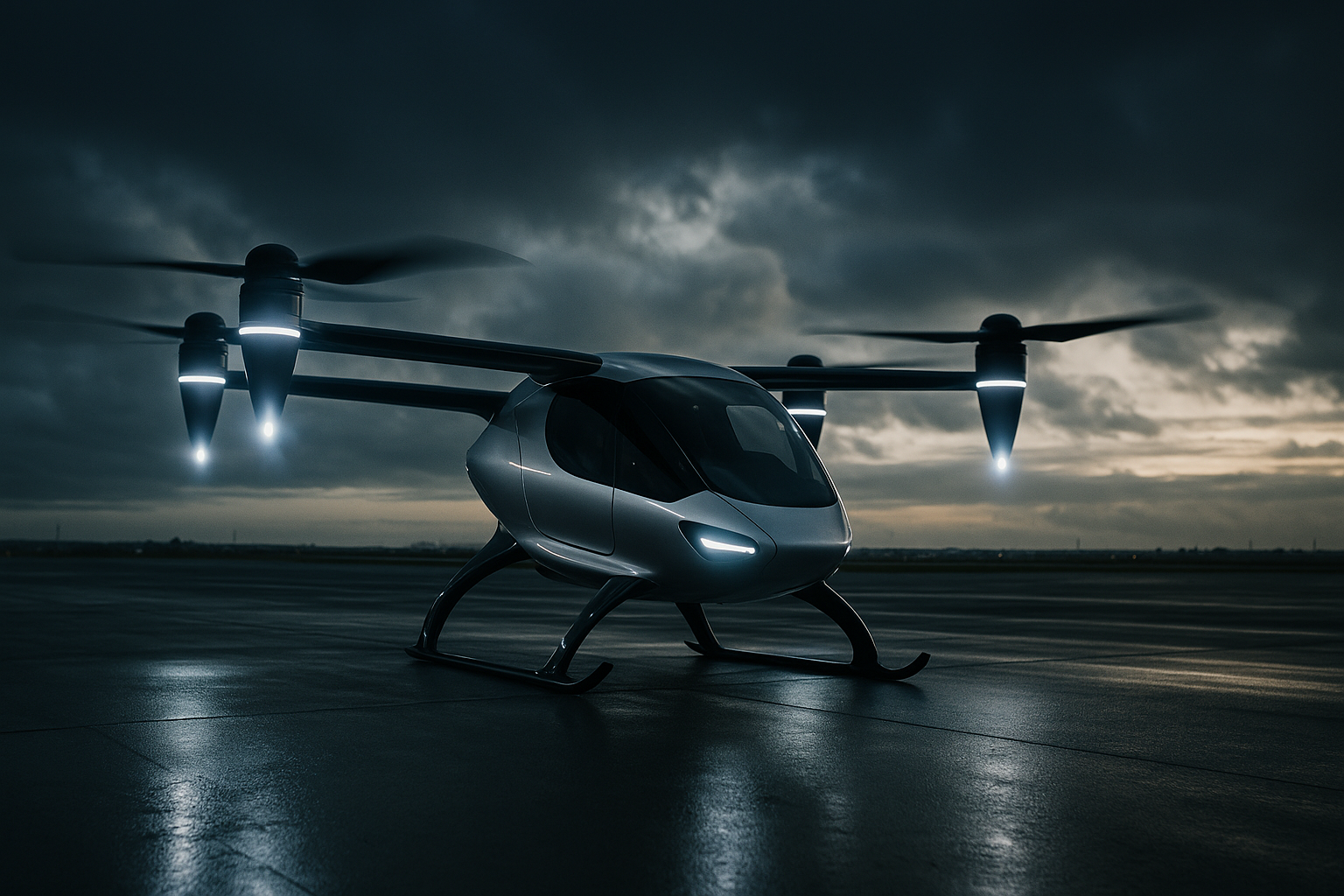
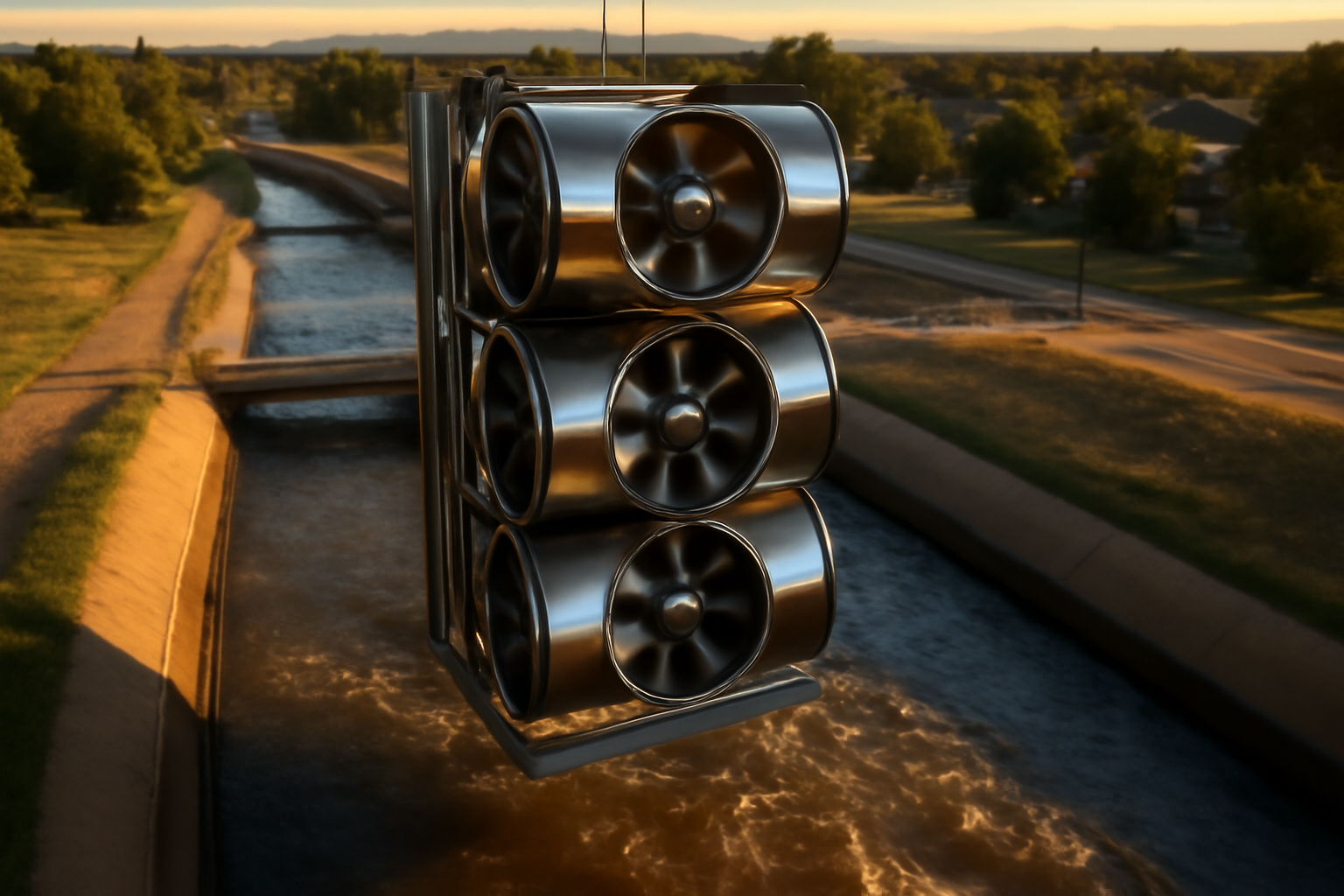
Denver is pushing the boundaries of autonomous technology and sustainable water management in an innovative way that few saw coming. A recent deployment of turbine-equipped electric drones in Denver irrigation canals marks a significant milestone in how communities can leverage aerial vehicle technology to solve real-world infrastructure challenges. By integrating four turbines in a clever cassette-style configuration, Denver engineers have created a system that maximizes efficiency without disrupting existing water infrastructure. This approach demonstrates how EV drones are transitioning from experimental novelty to practical, operational tools that address pressing regional needs.
The Denver Irrigation Innovation: A Game-Changing Approach
Denver’s water management authority has long sought innovative solutions to optimize irrigation efficiency across the region’s extensive canal network. The city faces unique challenges common to the American West: growing demand for water, aging infrastructure, and the need to maximize every drop in an increasingly arid climate. Traditional maintenance and monitoring of these sprawling canal systems require significant labor investment and often disrupt water flow during inspections and repairs.
The introduction of turbine-equipped EV drones addresses these pain points directly. Rather than relying solely on ground-based crews, Denver can now deploy autonomous aircraft equipped with advanced sensing and power-generation capabilities. The cassette-style stacking system is particularly ingenious—it allows multiple turbines to be deployed and withdrawn without complex installation procedures. This modular approach means turbines can be added or removed as operational needs change, providing unprecedented flexibility in resource management.
The technology also opens new revenue streams for water agencies. By harnessing kinetic energy from flowing water through integrated turbines, Denver can generate supplementary power that offsets the energy costs of operating pumping systems and monitoring equipment. This creates a sustainable loop where infrastructure maintenance tools actually contribute to the energy balance of the broader water system.
Technical Specifications and Operational Design
The turbine drones deployed in Denver’s irrigation canals represent a sophisticated fusion of aeronautical engineering and hydrodynamic design. Each unit features electric propulsion systems that allow for precise positioning and retrieval from the canal environment. The cassette-style housing protects sensitive electronics while allowing water to flow unobstructed through turbine blades optimized for low-head, high-flow conditions typical of irrigation channels.
Power management is critical to the success of this system. The EV drones must be capable of autonomous or remote-controlled operation for extended periods while generating data about water flow rates, turbidity, structural integrity of canal walls, and presence of debris or blockages. The integration of turbines means some power is actually harvested from the flowing water itself, potentially extending mission duration and reducing reliance on battery charging infrastructure.
Denver engineers designed the system with redundancy in mind. Multiple turbine units can operate independently, so failure of one unit doesn’t compromise the entire monitoring and power-generation network. Communication systems allow real-time coordination between drones and central control facilities, enabling adaptive responses to changing water conditions or maintenance requirements. The modular cassette approach means technicians can swap out individual units for maintenance without draining the canal or disrupting water delivery to downstream users.
Environmental and Economic Benefits
This innovation delivers significant environmental advantages beyond simple energy generation. By automating canal inspection and maintenance monitoring, Denver reduces the need for heavy machinery and ground crews that can disturb riparian habitats and accelerate bank erosion. The drones provide continuous environmental sensing data that helps the water authority optimize flow rates and detect contamination or unusual conditions more quickly than traditional periodic inspections.
Economic benefits are equally compelling. The operational cost of deploying autonomous drones is substantially lower than maintaining crews for regular canal patrols and maintenance operations. Energy harvested from the turbines contributes directly to the bottom line, reducing the utility’s operational expenses. Additionally, by identifying problems early through continuous monitoring, Denver can prevent costly infrastructure failures and emergency repairs that would otherwise disrupt water service to thousands of users.
The technology also supports Denver’s broader sustainability goals. By reducing energy consumption in water management operations and generating clean energy from renewable flowing water sources, the city moves closer to its climate commitments. The approach demonstrates how forward-thinking municipalities can leverage cutting-edge autonomous technology to achieve environmental and economic objectives simultaneously.
Scaling Implications for Water Management Across the West
Denver’s success with turbine-equipped drones in irrigation canals has immediate implications for water management agencies throughout the American West. Colorado, Utah, Nevada, California, and other water-stressed regions face similar challenges: aging canal infrastructure, climate variability, and the constant pressure to do more with less water. A proven, scalable technology for canal monitoring and power generation could become standard practice across the region within five to ten years.
The cassette-style deployment method is particularly attractive for scaling because it requires minimal modification to existing canal infrastructure. Agencies don’t need to invest in expensive civil works or structural upgrades—the drones can be deployed in most standard irrigation channels with minimal engineering assessment. This low barrier to entry means smaller water districts and agricultural cooperatives can access the technology, not just large municipal utilities.
Interstate water agreements and compact management could also benefit from improved monitoring capabilities that these drone systems provide. Real-time, accurate data about water flows across state lines supports more equitable allocation and faster dispute resolution. States like Colorado and California could use continuous drone-based monitoring to ensure compliance with Colorado River Compact provisions and other shared water agreements, reducing costly litigation and administrative overhead.
Challenges and Future Development Priorities
Despite the promise, deploying turbine-equipped drones in irrigation systems isn’t without technical and regulatory challenges. Saltwater environments and corrosive mineral-laden water (common in Western irrigation canals) can accelerate component degradation. Denver engineers are already working on advanced materials and coating systems to extend equipment lifespan and reduce maintenance frequency. Long-term durability testing in actual canal conditions is ongoing to establish realistic replacement intervals and lifecycle costs.
Regulatory frameworks for autonomous operation in populated areas still lag behind the technology itself. Airspace coordination with manned aircraft, public safety certifications, and operator licensing requirements continue to evolve. Denver is working closely with the FAA to establish operational approval for these drones, creating precedent that will benefit other municipalities considering similar deployments.
The future development roadmap includes enhanced AI-driven decision-making that allows drones to adjust their operational parameters in real time based on changing water conditions. Machine learning algorithms trained on months of operational data could enable drones to optimize power generation while simultaneously improving the quality of environmental monitoring data they collect. Integration with SCADA (Supervisory Control and Data Acquisition) systems used by water utilities will eventually allow seamless coordination with broader water management operations.
Key Development Areas Moving Forward
- Advanced materials and corrosion-resistant coatings for extended operational life in mineral-laden water environments
- AI-driven autonomous decision-making systems that optimize turbine positioning and power generation in real time
- Enhanced battery technology to extend mission duration and reduce charging infrastructure requirements
- Regulatory frameworks establishing clear operational approval pathways for autonomous drones in water management applications
- Integration protocols connecting drone systems with existing SCADA and water management infrastructure
Denver’s turbine-equipped drone deployment in irrigation canals represents a watershed moment for both autonomous aircraft technology and water management innovation. By proving that EV drones can be practical, economically viable tools for addressing real infrastructure challenges, the city has opened doors for similar implementations across the American West and beyond. As climate change increases pressure on water resources and aging infrastructure demands more sophisticated monitoring capabilities, technologies like these will become increasingly central to how municipalities manage one of our most precious natural resources. The cassette-style turbine system is not just an interesting technical achievement—it’s a blueprint for how forward-thinking regions can leverage autonomous technology to build more resilient, sustainable water management systems that serve communities for generations to come.