HIGHLIGHTS
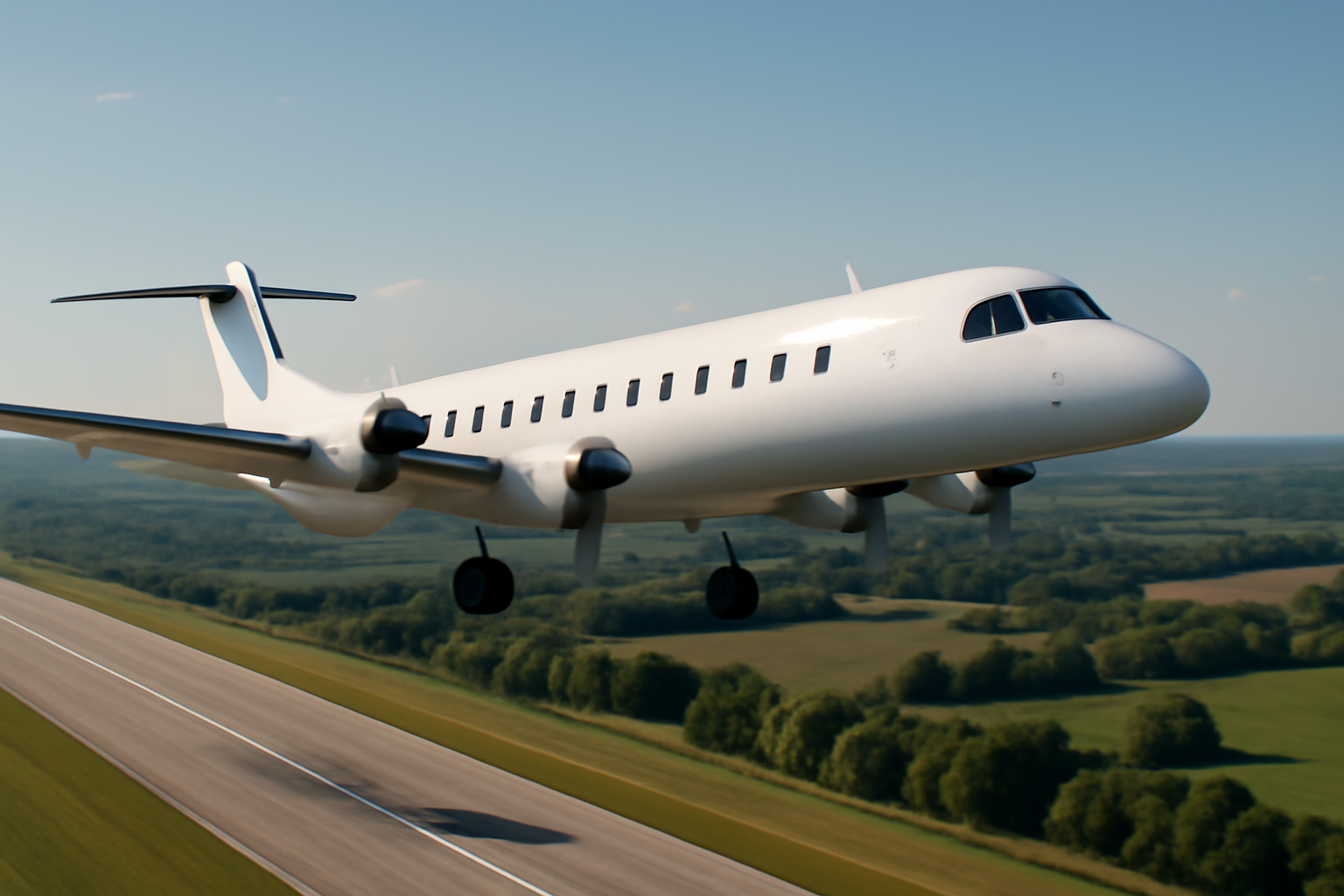
- 30-passenger electric airliner completes maiden flight on August 17, 2026—the world’s largest electric commercial aircraft in this capacity class
- Distinctive quiet operation and lower operating costs make electric aircraft economically competitive with conventional turboprops on regional routes
- Multiple airlines pre-ordering the aircraft with commercial service entry expected within 18-24 months, accelerating aviation industry decarbonization
The aviation industry witnessed a historic moment on August 17, 2026, when the world’s largest electric airliner took to the skies for the first time. With a capacity of 30 passengers, this groundbreaking aircraft represents a major leap forward in sustainable aviation and electric propulsion technology. The successful maiden flight signals that the commercial viability of electric aircraft for regional routes is no longer a distant dream—it’s becoming operational reality.
A Breakthrough in Electric Aviation Technology
The 30-passenger electric airliner represents years of engineering innovation and investment in sustainable aviation solutions. Unlike smaller experimental aircraft that have flown before, this aircraft demonstrates the feasibility of scaling electric propulsion to commercially meaningful passenger capacities. The achievement proves that battery technology, electric motor systems, and aircraft design have matured to support larger-scale operations.
The aircraft’s successful flight performance has validated critical design assumptions about weight distribution, aerodynamics, and power management. Engineers have managed to achieve a balance between passenger capacity, range, and energy efficiency that makes the aircraft practical for regional routes. This successful integration of multiple advanced systems represents a significant technical accomplishment.
The maiden flight also showcased the distinctive acoustic profile that has impressed observers and potential operators alike. The quiet operation of electric propulsion systems stands in stark contrast to conventional jet engines, reducing noise pollution in airport communities and enabling more flexible scheduling of flights throughout the day and evening.
Environmental and Economic Impact on Regional Air Travel
The introduction of a 30-passenger electric aircraft opens new possibilities for sustainable regional aviation. Airlines operating routes of 300 to 500 miles can now consider electric alternatives that eliminate direct greenhouse gas emissions and reduce operating costs. The lower noise signature also makes these aircraft suitable for more airports and destinations, particularly smaller regional hubs that have noise restrictions.
Operating costs for electric aircraft are substantially lower than conventional turbine-powered aircraft, particularly in terms of fuel expenses and engine maintenance. With electricity costs remaining significantly cheaper than jet fuel on an energy-equivalent basis, operators can offer more competitive pricing on regional routes. This economic advantage accelerates the transition toward electric aviation across short and medium-haul networks.
The environmental benefits extend beyond zero direct emissions. Charging electric aircraft from renewable energy sources creates a fully sustainable transportation option. As electricity grids become increasingly powered by wind, solar, and other renewables, every electric aircraft charge contributes to decarbonizing aviation without requiring new fuel production infrastructure.
Market Readiness and Regulatory Approval Path
The successful maiden flight demonstrates that the aircraft has overcome initial certification hurdles and entered the validation phase. Regulatory authorities in multiple jurisdictions have been developing certification standards specifically for electric aircraft, and this successful flight validates the approach taken by both manufacturers and regulators. The pathway to commercial certification is becoming clearer with each successful milestone.
Potential operators are already showing interest in the aircraft for their route networks. Regional airlines operating in Europe, North America, and Asia have identified routes where the 30-passenger electric airliner would be cost-effective and environmentally beneficial. The aircraft addresses a specific market gap between smaller electric aircraft with 9-15 seats and larger conventional turboprops with 50+ seats.
Delivery timelines and production ramp-up are critical factors for market adoption. Manufacturers are planning initial production rates that gradually scale as operators gain operational experience and confidence. Industry analysts project that regional electric aircraft will begin entering commercial service across multiple operators within the next 18-24 months.
Future Scaling and Industry Transformation
The success of the 30-passenger aircraft establishes a foundation for developing even larger electric commercial aircraft. Manufacturers are already exploring 50 to 70-passenger configurations for longer regional routes and are investigating hybrid-electric systems that could extend range for more demanding applications. The technical lessons learned from this aircraft will accelerate development across the entire electric aviation ecosystem.
Competition among manufacturers is intensifying as the viability of electric aircraft becomes undeniable. Multiple companies are advancing their own electric aircraft programs, spurring innovation in battery technology, electric motor design, and aircraft manufacturing processes. This competitive dynamic benefits the entire industry by accelerating technology development and creating multiple options for airlines.
The broader transformation of aviation extends beyond aircraft design. Airport infrastructure, charging networks, and pilot training programs are all evolving to support electric aircraft operations. Ground support equipment manufacturers are developing specialized charging systems and tug vehicles, while aviation schools are integrating electric aircraft systems into their training curricula. This comprehensive ecosystem development ensures that electric aircraft can be successfully integrated into existing aviation operations.
Key Takeaways
- 30-passenger electric airliner achieves successful maiden flight, validating technology at commercially meaningful scale for regional aviation
- Operating cost savings and zero direct emissions position electric aircraft as economically competitive alternatives to conventional turboprops
- Multiple airlines expressing pre-delivery interest with commercial service entry projected within 18-24 months
The maiden flight of the world’s largest electric airliner marks an inflection point in aviation history. As the aircraft advances through the certification process and production ramps up, regional air travel stands on the threshold of a fundamental transformation toward sustainability and affordability. The quiet revolution in electric aviation has begun, and its impact on how we travel by air will be profound and lasting.