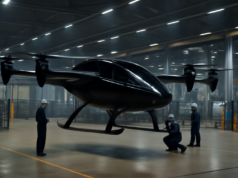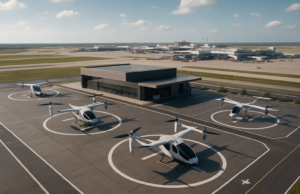

The electric vertical takeoff and landing (eVTOL) industry is reaching a critical inflection point, with companies racing to move from concept to reality. Vertical, a prominent player in the personal air mobility sector, has announced an ambitious timeline to finalize its air taxi design this year and commence prototype construction. This development marks a significant milestone in the company’s journey toward bringing commercial air taxi services to market, demonstrating the accelerating momentum in the eVTOL sector.
Vertical’s Strategic Timeline for Air Taxi Development
Vertical has set itself an aggressive schedule that reflects the growing maturity of the eVTOL industry. The company’s commitment to finalizing its air taxi design within the current year represents a substantial step forward in vehicle certification and regulatory preparation. This timeline indicates that Vertical believes it has achieved sufficient technological validation through preliminary design phases and is confident in moving toward hardware realization.
The decision to accelerate design finalization suggests that Vertical has resolved key engineering challenges that typically slow down aerospace development programs. These may include propulsion system integration, battery management solutions, structural optimization, and safety system redundancy—all critical components for passenger-carrying aircraft. By committing to a specific deadline, Vertical is positioning itself ahead of competitors who may still be in extended development phases.
This strategic move also reflects investor confidence and market demand validation. The aviation and urban mobility sectors have demonstrated strong interest in eVTOL solutions, with cities worldwide planning infrastructure for air taxi operations. Vertical’s timeline aligns with this broader industry momentum, suggesting the company has secured the necessary funding and regulatory engagement to meet its ambitious goals.
Prototype Construction: From Design to Physical Reality
The transition from design to prototype construction represents one of the most critical phases in aircraft development. Once Vertical finalizes its design specifications, the company can begin fabricating the first physical prototypes that will undergo extensive testing and validation. These prototypes will serve as the basis for all subsequent development, refinement, and eventually, certification activities with aviation authorities.
Building prototypes enables Vertical to validate its design assumptions against real-world physics and engineering constraints. Computer simulations and theoretical calculations can only take development so far; physical prototypes reveal unexpected challenges related to manufacturing tolerances, material performance, thermal dynamics, and system interactions. By constructing multiple prototypes, Vertical can identify and address these issues before pursuing expensive and time-consuming certification programs.
The prototype phase also provides opportunities for test flight data collection, which is essential for regulatory certification. Aviation authorities like the FAA and EASA require extensive flight test data demonstrating that an aircraft meets safety standards across a wide range of conditions. Vertical’s commitment to prototype construction this year suggests the company plans to accumulate valuable flight test data throughout 2026 and beyond.
Regulatory Pathway and Certification Considerations
eVTOL aircraft represent a novel category that existing aviation regulations were not designed to address. Vertical must navigate this complex regulatory landscape while moving forward with design finalization and prototype development. The company’s accelerated timeline suggests it has been working closely with aviation authorities to establish Special Conditions and certification specifications applicable to its aircraft type.
Regulatory engagement during the design phase is critical for ensuring that the final design meets certification requirements without requiring major retroactive modifications. Vertical’s announcement of design finalization may indicate that the company has already achieved significant alignment with regulators on key safety and performance requirements. This coordination can substantially reduce the timeline between prototype completion and certification approval.
The eVTOL regulatory environment continues to evolve, with multiple countries developing frameworks specific to electric vertical takeoff aircraft. Vertical’s timeline must account for these varying regulatory regimes if the company plans to operate internationally. Early engagement with regulators in target markets—such as Europe, the United States, and Asia-Pacific regions—can help Vertical optimize its design for multiple certification pathways simultaneously.
Market Readiness and Operational Deployment
Beyond the technical challenges of design and prototyping, Vertical must also prepare for operational deployment in urban environments. This includes establishing maintenance procedures, training protocols for pilots and ground crews, and operational procedures for verifying airworthiness before each flight. The prototype phase provides valuable opportunities to develop and refine these operational frameworks before commercial service begins.
The eVTOL market is expected to emerge initially in high-demand urban corridors where traditional transportation faces congestion challenges. Vertical’s timeline suggests the company is positioning itself to enter the market within the next few years, following prototype testing and certification. This aggressive schedule indicates confidence in market demand and the company’s technical capabilities.
Vertical’s development program also likely includes establishing partnerships with operators, vertiports, and supporting infrastructure providers. These stakeholders need reliable technical information and operational timelines to make their own investment decisions. By announcing its design finalization and prototype construction plans, Vertical signals to potential partners that the company is serious about near-term commercial operations and worthy of their investment.
Industry Implications and Competitive Landscape
Vertical’s announcement ripples across the eVTOL industry, influencing investor sentiment and competitive dynamics. Other developers will likely reassess their own timelines in response to Vertical’s progress. Companies ahead of Vertical may accelerate their programs to maintain a first-mover advantage, while companies behind may face increased pressure from investors to demonstrate comparable progress.
The eVTOL sector benefits from this competitive dynamic, as multiple companies pursuing aggressive development timelines accelerates overall industry progress. Competition drives innovation, improves designs, and encourages companies to overcome technical challenges more efficiently. Vertical’s ambition helps establish industry expectations and validates the viability of near-term commercial eVTOL operations.
Vertical’s focused approach to a specific air taxi design demonstrates strategic clarity in a market where some competitors are pursuing multiple vehicle types or applications. This concentration of effort can accelerate progress in achieving certification and commercial operations. By committing to design finalization and prototype construction this year, Vertical provides stakeholders with concrete milestones to measure the company’s progress and commitment to the urban air mobility vision.
Key Takeaways: Vertical’s Path to Commercial Air Taxi Operations
- Vertical plans to finalize air taxi design specifications in 2026, reflecting confidence in its engineering development program and alignment with regulatory requirements.
- Prototype construction beginning this year will enable real-world validation of design assumptions, identification of engineering challenges, and accumulation of critical flight test data needed for certification.
- The accelerated timeline demonstrates investor backing and market demand validation, positioning Vertical as a serious contender in the competitive eVTOL development landscape.
- Regulatory engagement during design finalization suggests Vertical has established key alignment with aviation authorities on safety and performance requirements, potentially reducing certification timelines.
- Vertical’s achievement serves as an industry milestone, influencing competitive dynamics and demonstrating the viability of near-term commercial eVTOL operations in urban environments.
Vertical’s commitment to finalizing its air taxi design and beginning prototype construction this year represents a crucial inflection point for the company and the broader eVTOL industry. As the personal air mobility sector matures from concept to commercial reality, developments like Vertical’s announcement demonstrate that the future of urban transportation is rapidly approaching. The next few years will determine which companies successfully navigate the complex path from design through certification to operational deployment, and Vertical’s aggressive timeline suggests it intends to be among the leaders in this transformative industry transformation.