HIGHLIGHTS
- Russian drones are directly disrupting UN humanitarian aid delivery, restricting civilian access to food, medicine, and emergency supplies across Ukraine
- Aid organizations face mounting operational costs and staffing challenges as they implement drone detection and security protocols to protect workers
- International pressure is building for legal frameworks and protected humanitarian corridors to shield aid workers and civilians from drone threats
The United Nations’ top aid official has issued a stark warning about the escalating threat posed by Russian drones to humanitarian operations and civilian populations across Ukraine. As drone technology becomes increasingly integrated into military conflicts, the implications for vulnerable populations and aid workers on the ground are reaching critical levels. This development underscores the broader challenges facing modern humanitarian response efforts in conflict zones, where unmanned aerial systems have become a defining feature of contemporary warfare.
The Growing Drone Threat to Humanitarian Operations
Russian drone operations have intensified dramatically across Ukrainian territory, creating unprecedented challenges for humanitarian organizations attempting to deliver aid to affected populations. These unmanned systems are being deployed for reconnaissance, targeting, and direct attacks on both military and civilian infrastructure, fundamentally altering the operational landscape for aid agencies. The UN’s warning reflects mounting casualties among humanitarian workers and the increasing difficulty of maintaining supply lines to besieged communities.
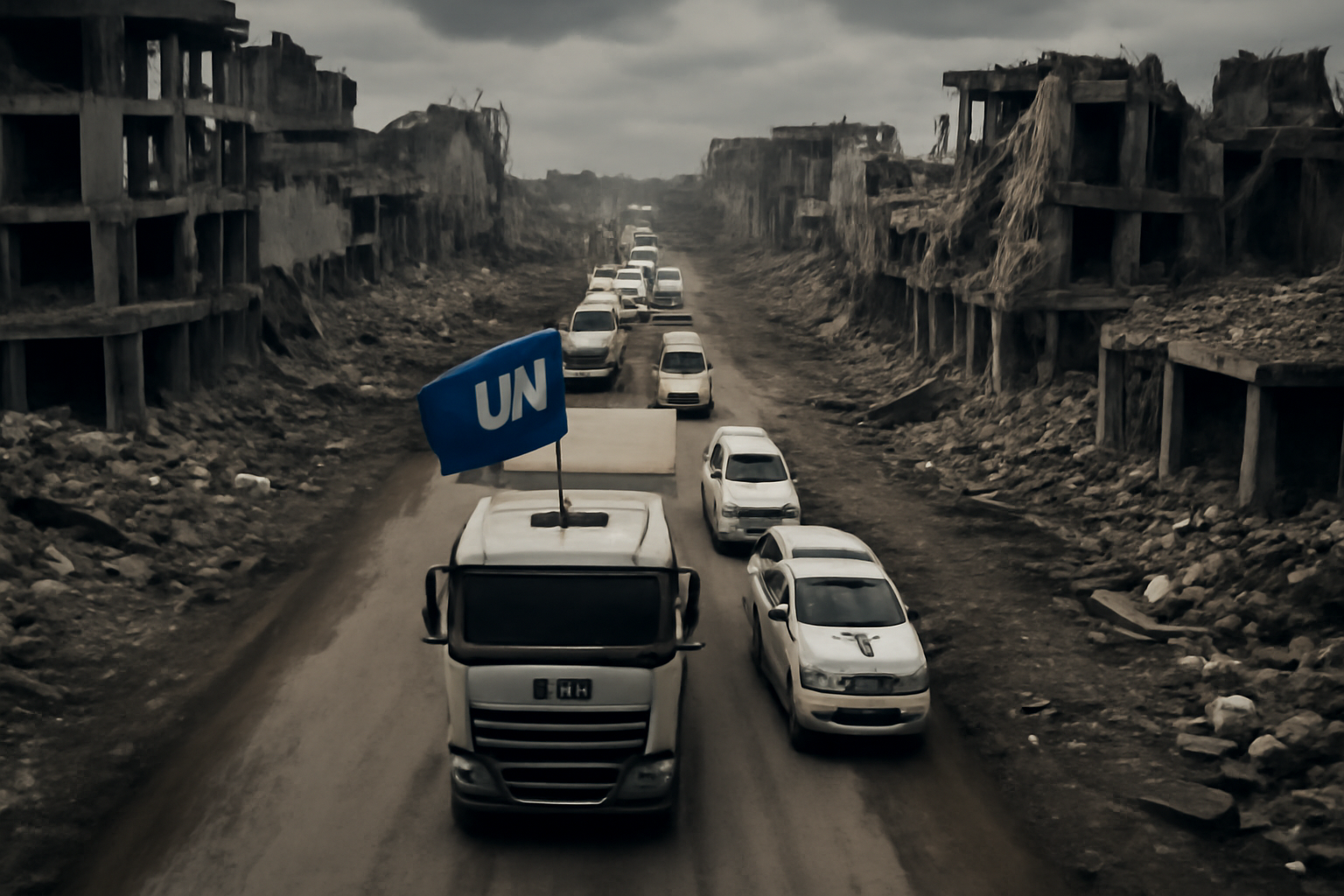
The sophistication and proliferation of drone technology in the conflict have made traditional humanitarian corridors increasingly dangerous. Aid convoys that once operated with relative predictability now face constant threats from aerial surveillance and strikes. Organizations coordinating food distribution, medical supplies, and shelter assistance must now factor in drone detection and evasion strategies as core operational components.
The psychological impact on aid workers and local populations cannot be overlooked. The constant threat of drone strikes has created a climate of fear that extends beyond immediate security concerns, affecting the mental health and morale of humanitarian personnel. This psychological dimension represents a significant but often underreported consequence of drone proliferation in civilian contexts.
Impact on Civilian Access to Essential Aid
Families and communities across Ukraine are experiencing severe disruptions to access of life-sustaining humanitarian assistance due to drone-related security concerns. The UN has documented instances where entire regions have become effectively cut off from aid distribution networks, forcing vulnerable populations to rely on dwindling local resources. Children, the elderly, and those with chronic medical conditions are particularly affected by these supply disruptions.
Medical aid delivery has become especially problematic, with hospitals struggling to receive essential medications, diagnostic equipment, and surgical supplies. Drone threats have forced humanitarian organizations to reduce delivery frequency and operate during limited windows, compromising the continuity of care for patients dependent on regular assistance. This has created cascading health crises in communities already devastated by conflict.
Food security has deteriorated markedly in regions where drone activity is most intense. Markets and distribution points that once served as community hubs have become targets of opportunity, leading humanitarian agencies to shift toward smaller, decentralized delivery methods that are far less efficient and more costly to maintain.
Operational Challenges for Aid Organizations
International NGOs and UN agencies face mounting logistical and financial burdens as they adapt their operations to accommodate drone threats. The cost of operating in high-risk drone environments has increased substantially, requiring investment in detection equipment, secure transportation, and expanded staffing for security coordination. These added expenses divert resources away from direct aid delivery.
Staff recruitment and retention have become significant challenges as organizations struggle to fill positions in high-threat zones. Many experienced humanitarian workers are opting for assignments in less dangerous regions, creating knowledge gaps and reducing operational effectiveness. Training requirements for drone awareness and response protocols have added weeks to onboarding timelines.
Coordination between humanitarian organizations has become more complex as agencies develop divergent security protocols and risk assessments. The lack of unified international standards for drone threat response has created inefficiencies and occasional contradictions in how aid is distributed and where resources are concentrated. Establishing common ground on acceptable risk levels remains an ongoing challenge.
International Response and Advocacy
The UN’s formal warning represents an escalation in international attention to the humanitarian consequences of drone warfare. This statement carries diplomatic weight that extends beyond the humanitarian sector, placing pressure on member states to address the proliferation and use of unmanned systems in civilian contexts. The statement reinforces ongoing efforts to establish clearer legal frameworks governing drone operations in conflict zones.
Several international bodies are now examining the intersection of drone technology, international humanitarian law, and civilian protection. These discussions are yielding proposals for protocols that would create protected humanitarian corridors and establish penalties for targeting aid workers and medical facilities with unmanned systems. However, enforcement mechanisms remain weak and contested among nations.
Humanitarian organizations are increasingly calling for specific restrictions on certain categories of drones and for international agreements that would limit their use near civilian populations. These advocacy efforts are gaining traction in developed nations but face resistance from countries invested in drone technology development and deployment. The debate reflects fundamental tensions between military innovation and humanitarian protection.
Key Takeaways
- Russian drone operations are directly disrupting UN humanitarian aid delivery, restricting civilian access to food, medicine, and emergency supplies across Ukraine
- Aid organizations face mounting operational costs and staffing challenges as they implement drone detection and security protocols to protect workers and convoy routes
- International pressure is building for legal frameworks and protected humanitarian corridors to shield aid workers and civilian populations from drone threats during conflict
The UN’s warning about Russian drones threatening aid operations in Ukraine reflects a sobering reality of modern conflict: humanitarian response itself has become a high-risk endeavor in environments saturated with unmanned systems. As drone technology continues to proliferate and become more sophisticated, the international community faces mounting pressure to establish stronger protections for civilians and humanitarian workers. The challenge extends beyond Ukraine, signaling a trend that will likely define humanitarian operations in future conflicts unless comprehensive international agreements are rapidly established.