
HIGHLIGHTS
- Joby Aviation’s specialized air taxi simulator debuts at San Jose Airport, providing immersive pilot training and public engagement for eVTOL operations.
- Advanced simulator technology signals the industry’s transition from prototype development to operational readiness ahead of regulatory certification and commercial launches.
- San Jose Airport establishes itself as a strategic hub for air mobility infrastructure and workforce development in the San Francisco Bay Area.
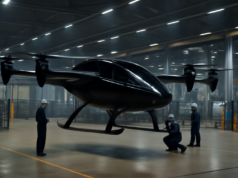
San Jose Airport has become the latest hub for innovation in electric vertical takeoff and landing (eVTOL) technology, unveiling a groundbreaking Joby Aviation air taxi simulator. This milestone represents a significant step forward in familiarizing the public with next-generation air mobility solutions and providing realistic training experiences for future pilots of electric aircraft. The simulator’s arrival underscores the growing momentum behind commercializing urban air mobility and preparing aviation infrastructure for the eVTOL era.
Joby Aviation’s Simulator: Bridging Innovation and Public Awareness
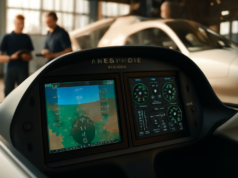
Joby Aviation, one of the leading developers of electric vertical takeoff aircraft, has deployed an advanced simulator at San Jose Airport that recreates the experience of piloting an air taxi through realistic flight scenarios. This state-of-the-art technology provides an immersive training platform that captures the nuances of eVTOL operations, including takeoff procedures, landing sequences, and navigating urban airspace. By placing the simulator at a major airport, Joby is making cutting-edge aviation technology accessible to the general public and aviation professionals alike.
The simulator represents years of research and development into human-machine interfaces designed specifically for electric aircraft. Unlike traditional helicopter or airplane simulators, the Joby simulator accounts for the unique characteristics of eVTOL vehicles, including rapid vertical acceleration, noise-reduction advantages, and battery management considerations. This specialized approach ensures that training is as relevant and practical as possible for the emerging air taxi industry.
San Jose Airport’s decision to host the simulator reflects the region’s commitment to positioning itself at the forefront of air mobility innovation. The San Francisco Bay Area has emerged as a natural hub for eVTOL development, attracting investment and talent from across the aerospace and technology sectors. The simulator’s presence demonstrates local leadership in preparing for the future of urban transportation.
Advancing Pilot Training and Professional Development
One of the most critical challenges in commercializing eVTOL aircraft is developing a qualified pilot workforce trained specifically for electric air taxi operations. Traditional aviation training does not adequately prepare pilots for the unique demands of eVTOL flight, including battery monitoring, energy-efficient flight paths, and rapid response to automated systems. Joby’s simulator bridges this gap by providing hands-on experience in a safe, controlled environment.
The simulator allows pilot candidates to master essential skills such as precision vertical landings on rooftops, navigation through dense urban environments, and emergency procedures specific to electric propulsion systems. By training pilots before they take the controls of actual aircraft, the industry can maintain high safety standards while accelerating the path to commercial operations. This approach has proven effective in traditional aviation and is being adapted for the eVTOL sector.
Professional aviation organizations and regulatory bodies have emphasized the importance of dedicated eVTOL pilot training programs. The FAA and international aviation authorities are developing certification standards for eVTOL pilots, and simulators like the one at San Jose Airport will play a crucial role in meeting those standards. Early adoption of simulator-based training positions Joby and its partners to lead the market when regulatory approval is granted.
San Jose Airport’s Role in Shaping Urban Air Mobility Infrastructure
San Jose Airport, officially known as Mineta San José International Airport, is one of the busiest airports in California and a strategic location for testing and demonstrating advanced aviation technologies. The airport’s investment in hosting the Joby simulator indicates a forward-thinking approach to airport infrastructure and a recognition that eVTOL services will likely operate from or near major transportation hubs. This positioning could give San Jose a competitive advantage as air taxi networks begin to take flight.
The airport has been exploring its role in the broader ecosystem of urban air mobility, including vertiport development and integration with ground transportation. By hosting the Joby simulator, San Jose Airport is engaging stakeholders, including airport staff, potential operators, and the general public, in conversations about how eVTOL technology will reshape regional transportation. This public engagement is essential for building support for the infrastructure changes required to integrate air taxis into existing aviation systems.
The presence of such advanced training technology also attracts aerospace professionals, researchers, and entrepreneurs to the region, further strengthening San Jose’s position as a center of innovation. As more companies demonstrate their capabilities and facilities at the airport, it creates a positive feedback loop that encourages investment in local air mobility initiatives and positions the region to capture economic benefits from this emerging industry.
The Broader Implications for eVTOL Commercialization
The deployment of simulator technology at public airports signals that the eVTOL industry is moving beyond prototype development and concept demonstrations toward operational readiness. Simulators serve as proof of technology maturity and indicate that companies like Joby are preparing for regulatory certification and commercial service launches. This transition from innovation labs to airport facilities represents a critical inflection point in the industry’s development.
Regulatory agencies worldwide are watching these milestones closely as they develop certification frameworks for eVTOL aircraft and their operations. The availability of advanced simulators demonstrates that the industry is taking safety and training seriously, which will be essential for gaining regulatory approval. Moreover, simulators can be used to validate new procedures and safety protocols before they are implemented in actual operations, further reducing risk and supporting regulatory confidence.
As multiple eVTOL developers race toward commercialization, simulators have become a standard offering in the toolkit of leading companies. Joby’s simulator at San Jose Airport competes with similar initiatives from other manufacturers, but the focus on training and public engagement benefits the entire industry by building awareness and preparing the market for air taxi services. This collaborative approach to advancing shared infrastructure and knowledge strengthens the foundation for sustainable eVTOL growth.
Key Takeaways: What This Means for Air Mobility
- Joby Aviation’s advanced air taxi simulator at San Jose Airport provides specialized pilot training and public engagement for eVTOL technology, accelerating workforce development for the emerging air taxi industry.
- The simulator represents a shift from prototype demonstrations to operational readiness, signaling that eVTOL companies are preparing for regulatory certification and commercial service launches in the near term.
- San Jose Airport’s hosting of the simulator positions the Silicon Valley region as a strategic hub for air mobility innovation and infrastructure development ahead of widespread eVTOL adoption.
The arrival of Joby Aviation’s air taxi simulator at San Jose Airport marks a tangible milestone in the evolution of personal air mobility and eVTOL technology. By combining advanced training capabilities with public accessibility, the simulator serves multiple strategic purposes: preparing pilots for the next generation of aircraft, demonstrating industry maturity to regulators, and building community support for urban air mobility initiatives. As the eVTOL sector continues its rapid advance toward commercialization, investments in pilot training and public education will be just as important as advances in aircraft design and battery technology. San Jose’s leadership in hosting this facility reflects the region’s commitment to shaping the future of transportation.