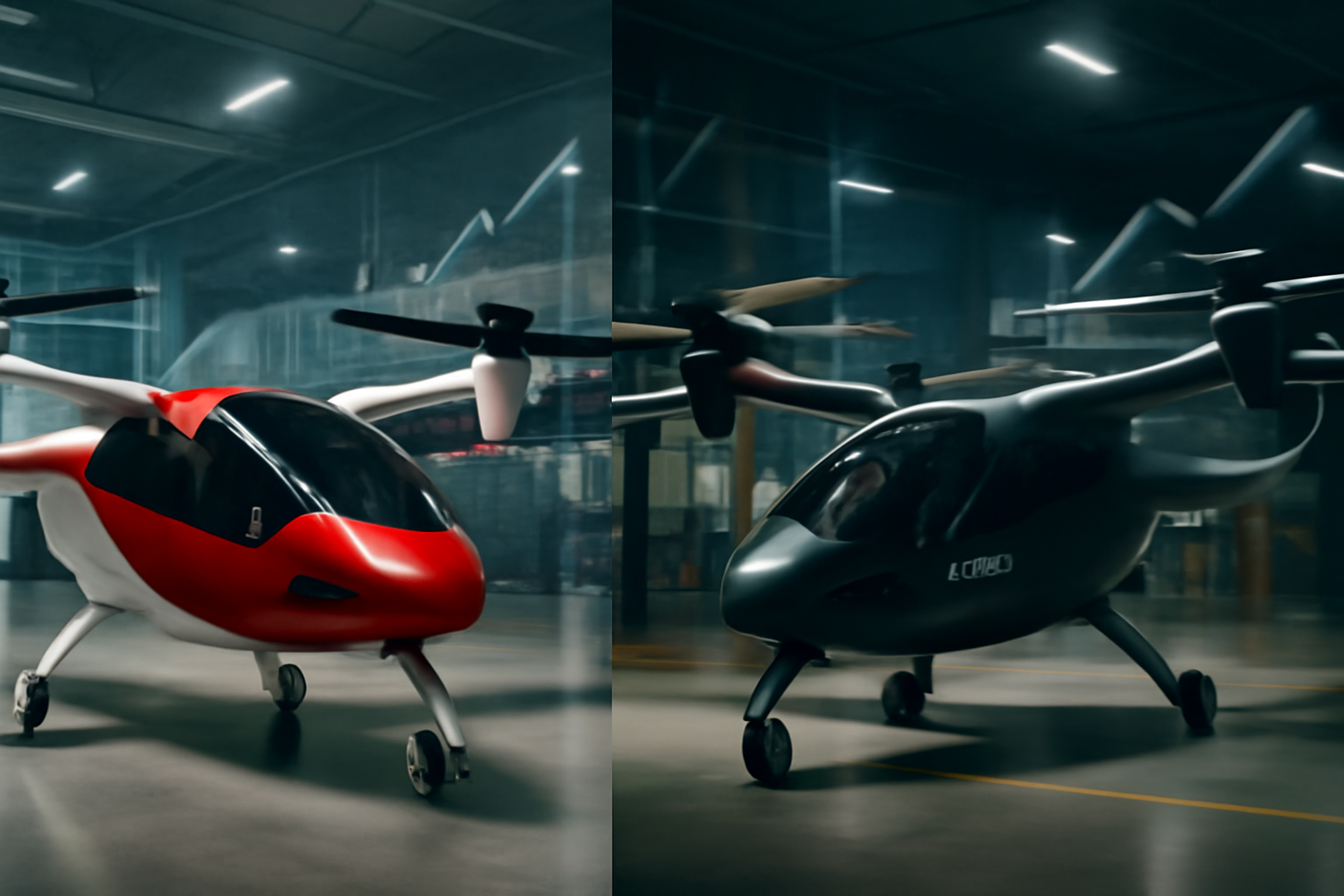
HIGHLIGHTS
- Joby and Archer pursue diverging financial strategies in 2026—Joby relies on well-funded partnerships and advanced technology while Archer emphasizes manufacturing efficiency and rapid deployment.
- FAA certification progress is the primary financial catalyst for both companies, directly impacting investor confidence, capital access, and timeline to commercial operations.
- Both companies must convert early customer partnerships into binding commercial agreements in 2026 to justify continued capital expenditures and demonstrate real market demand.
The eVTOL industry is at a pivotal moment as leading companies Joby Aviation and Archer Aviation navigate a complex financial landscape in 2026. Both firms have made significant investments in aircraft development, manufacturing infrastructure, and certification pathways, yet their financial trajectories differ considerably. As regulatory approvals edge closer and commercial operations approach, investors and industry observers are closely monitoring how these two contenders will manage capital, scale production, and achieve profitability in an increasingly competitive personal air mobility market.
Joby Aviation’s Capital Strategy and Market Position
Joby Aviation has established itself as one of the eVTOL sector’s most well-funded companies, leveraging strategic partnerships and institutional investment to accelerate its path to certification and commercial service. The company’s financial outlook for 2026 reflects both the opportunities and challenges inherent in scaling a new transportation technology. With an estimated pre-revenue operating model, Joby must carefully balance aggressive development timelines with prudent cash management.
The company’s 2026 financial position depends heavily on securing additional capital rounds and potentially securing strategic partnerships that could offset operational expenses. Joby’s partnership with automotive suppliers and ride-sharing platforms has provided crucial funding and expertise, but sustained profitability remains contingent on achieving regulatory certification and beginning revenue-generating operations. Analysts project that Joby’s cash burn rate will remain substantial through 2026 unless significant commercial milestones are achieved.
Joby’s market advantage lies in its advanced aircraft design, experienced leadership team, and established relationships with potential customers in the mobility and hospitality sectors. However, the path to profitability will require either accelerated certification timelines, strategic mergers and acquisitions, or significant additional capital infusions. The company’s ability to navigate these financial pressures while maintaining development momentum will be critical to its long-term viability.
Archer Aviation’s Competitive Position and Financial Reality
Archer Aviation has pursued a different strategic approach, focusing on manufacturing efficiency and developing a pragmatic certification pathway for its Midnight aircraft. The company’s 2026 financial outlook reflects its position as an emerging competitor with substantial capital but facing more compressed development timelines. Archer’s financial decisions in 2026 will significantly influence its competitive standing relative to more established eVTOL developers.
Unlike Joby, Archer has emphasized partnerships with major automotive suppliers and established manufacturing networks, potentially providing cost advantages in the production phase. However, this strategy comes with its own financial risks, as Archer must maintain runway for extended development and certification periods while managing partner expectations. The company’s 2026 financial situation will be heavily influenced by progress on its FAA Part 27 certification and the continued commitment of its key stakeholders.
Archer’s market positioning emphasizes operational efficiency and near-term deployment, with the Midnight aircraft designed for rapid certification and cost-effective manufacturing. The company’s financial outlook for 2026 will hinge on demonstrating tangible progress toward certification, maintaining investor confidence, and securing partnerships that reduce its capital requirements. The competitive pressure from Joby and other developers may force Archer to make strategic choices about market focus, pricing strategy, and geographic expansion that will impact its financial trajectory.
Market Dynamics and Competitive Pressures in 2026
The eVTOL market in 2026 will be shaped by regulatory developments, capital availability, and technological advancements from competing firms. Both Joby and Archer operate in an environment where the rules of engagement are still being written, with FAA certification standards continuing to evolve. This regulatory uncertainty directly impacts financial planning and investment strategies for both companies, as certification timelines remain difficult to predict with precision.
Capital competition for eVTOL development remains intense, with numerous other companies pursuing certification and commercialization. Joby and Archer’s financial outlooks must account for the possibility of additional well-funded competitors entering the market or achieving breakthrough milestones. The availability of venture capital and strategic investments in the eVTOL sector will significantly influence both companies’ ability to raise the necessary funding to reach commercial operations.
Geographic expansion strategies will also shape the financial outlook for both companies in 2026. International regulatory frameworks, particularly in Europe and Asia, may offer additional opportunities or challenges. Companies that successfully navigate multiple regulatory regimes while managing capital efficiently will gain substantial competitive advantages. Both Joby and Archer will need to evaluate whether focusing on domestic U.S. operations or pursuing international expansion offers better financial returns in 2026 and beyond.
Path to Commercial Operations and Revenue Generation
The critical milestone for both Joby and Archer in 2026 will be demonstrating genuine progress toward operational revenue generation. Whether through charter services, air taxi operations, or point-to-point transportation, both companies need to demonstrate a credible pathway from development to commercial service. Financial sustainability ultimately depends on reaching sufficient revenue levels to reduce cash burn and eventually achieve profitability.
Joby’s extensive partnerships with ride-sharing platforms and luxury hospitality brands provide a clear potential customer base for commercial operations. However, converting these partnerships into actual contracts and revenue will require functional aircraft certified for commercial operations. The company’s 2026 financial challenges will be met by demonstrating that customers are genuinely ready to deploy their aircraft in commercial service, validating the market demand that investors are betting on.
Archer’s approach emphasizes rapid deployment and practical aircraft design that can be efficiently manufactured and operated. The company’s financial outlook for 2026 will benefit from demonstrating that its Midnight aircraft meets commercial operators’ needs at price points that make economic sense. If Archer can show that early customer commitments are translating into binding orders or service agreements, this would substantially improve financial confidence and potentially ease access to additional capital.
Key Financial and Operational Takeaways for 2026
- Both Joby and Archer face critical cash management decisions in 2026, with financial sustainability dependent on achieving major regulatory and operational milestones rather than near-term profitability.
- Regulatory certification progress from the FAA will be the primary financial catalyst for both companies, directly influencing investor confidence and access to capital markets.
- Success in securing binding customer agreements and demonstrating commercial demand will be essential for both companies to justify continued capital expenditures and accelerate their paths to revenue generation.
The 2026 financial outlook for Joby Aviation and Archer Aviation represents a critical juncture in the eVTOL industry’s development. Both companies have made substantial investments in pursuing certification and commercialization, yet their financial strategies differ significantly. Joby emphasizes its advanced technology and established partnerships, while Archer focuses on manufacturing efficiency and rapid deployment. As the year unfolds, regulatory progress, capital markets performance, and demonstrated customer demand will determine which company navigates the financial landscape more successfully. The outcomes in 2026 could reshape the competitive dynamics of the entire personal air mobility sector for years to come.