HIGHLIGHTS
- CoolFly Dream represents a significant expansion of Chinese aerospace innovation into the American personal air mobility sector.
- The aircraft combines autonomous flight capabilities with practical design for the emerging eVTOL market targeting urban and regional mobility.
- This market entry signals intensifying global competition in electric vertical takeoff and landing vehicles as technology matures.
The personal air mobility landscape is experiencing a seismic shift as Chinese innovators push deeper into markets traditionally dominated by Western aerospace manufacturers. The CoolFly Dream eVTOL represents a compelling example of this trend, bringing cutting-edge technology and ambitious market positioning to American consumers seeking alternatives to traditional ground-based transportation. As regulatory frameworks mature and public interest in urban air mobility grows, Chinese manufacturers are positioning their offerings as competitive alternatives that prioritize affordability, accessibility, and advanced autonomous capabilities.
CoolFly Dream: Engineering Innovation Meets Market Ambition
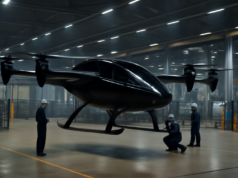
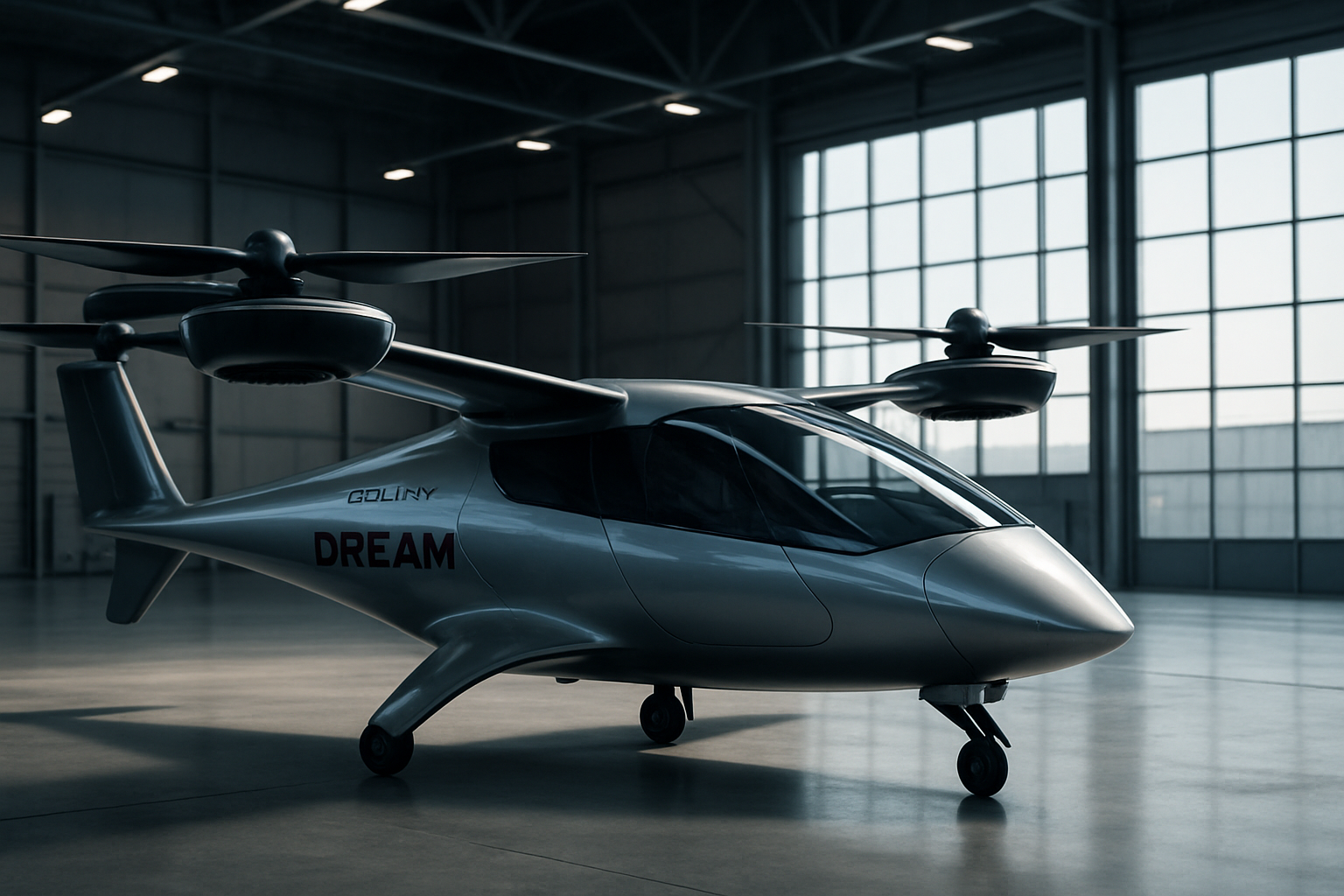
The CoolFly Dream stands out in the increasingly crowded eVTOL marketplace due to its sophisticated engineering approach and clear focus on practical commercial viability. This aircraft incorporates vertical lift technology with aerodynamic efficiency, addressing the fundamental challenge that has plagued early eVTOL designs: balancing vertical takeoff and landing capability with forward flight efficiency. The design philosophy emphasizes reliability and manufacturability, suggesting that CoolFly has considered not just the technical specifications but the real-world logistics of production at scale.
Chinese aerospace companies have invested heavily in research and development over the past decade, building expertise that now manifests in vehicles like the CoolFly Dream. The company has access to manufacturing infrastructure, supply chain optimization, and cost-control mechanisms that allow for competitive pricing without sacrificing performance. This cost advantage could prove decisive in the American market, where consumer adoption of eVTOL technology depends significantly on price accessibility and demonstrated reliability over extended operational periods.
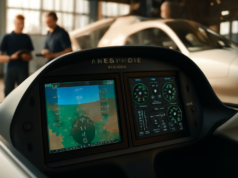
The CoolFly Dream’s technical specifications suggest a vehicle designed for both point-to-point personal transport and potential commercial applications. With autonomous flight capabilities integrated into its core systems, the aircraft positions itself as a forward-looking solution that anticipates regulatory environments increasingly comfortable with uncrewed or minimally-crewed aerial operations. This technological positioning demonstrates that CoolFly understands not just current market demands but also the trajectory of regulatory evolution in personal air mobility.
Market Entry Strategy and Competitive Positioning
CoolFly’s decision to target the American market with the Dream eVTOL signals a sophisticated understanding of global aerospace economics and market timing. The United States represents the world’s largest and most developed market for personal aviation, with established regulatory frameworks, consumer wealth, and infrastructure investment supporting new transportation modalities. American consumers and investors have already demonstrated appetite for eVTOL technology, as evidenced by billions in venture funding flowing to companies like Joby Aviation, Archer Aviation, and others.
By entering this market, CoolFly competes not through geographic advantage but through technological superiority and cost efficiency. The company’s Chinese heritage brings advantages in manufacturing scale and supply chain integration while potentially raising questions about regulatory clearance, intellectual property frameworks, and national security considerations in the United States. Successfully navigating these challenges requires CoolFly to demonstrate exceptional transparency, build strategic partnerships with American aerospace firms, and establish manufacturing or assembly operations within the United States to mitigate regulatory concerns.
The timing of this market entry coincides with a critical inflection point in eVTOL development. Early prototypes have proven the fundamental technology works, and regulatory agencies worldwide have begun establishing frameworks for commercial operations. This window of opportunity is narrow—the companies that achieve certification and operational deployment first will establish market dominance and brand recognition. CoolFly’s American entry suggests the company believes it has achieved sufficient technical maturity to compete credibly in this decisive phase.
Autonomous Flight Technology and Future Operations
The integration of autonomous flight capabilities into the CoolFly Dream reflects broader industry trends toward reducing operational complexity and enabling new business models. While early eVTOL concepts assumed piloted operations, advances in autonomous systems, sensor technology, and artificial intelligence have made uncrewed or minimally-crewed operations increasingly feasible. The CoolFly Dream’s autonomous systems likely incorporate redundancy, fail-safe mechanisms, and sophisticated decision-making algorithms designed to operate safely in complex airspace environments.
Autonomous capability fundamentally changes the economics of eVTOL operations. Piloted operations require highly trained specialists commanding premium salaries, while autonomous systems eliminate pilot costs and allow for continuous 24/7 operations. This economic advantage becomes decisive in commercial applications like cargo transport, emergency response, or point-to-point passenger service. CoolFly’s emphasis on autonomous technology suggests the company envisions revenue models extending beyond affluent personal users toward broader commercial deployment.
The regulatory pathway for autonomous eVTOL operations remains uncertain but is gradually clarifying. Agencies like the FAA have begun developing frameworks for unmanned aircraft systems operating at low altitudes in urban environments, known as BVLOS (beyond visual line of sight) operations. CoolFly’s autonomous systems will need to integrate with these emerging regulatory structures, incorporating features like real-time communication with air traffic control, geofencing, and emergency landing protocols. The company’s apparent progress in these technical areas positions it well for future regulatory approval.
Global Competition and Market Implications
The CoolFly Dream’s American market entry adds another competitor to an already dynamic landscape featuring established aerospace firms, venture-backed startups, and international manufacturers. Traditional manufacturers like Boeing and Airbus have developed their own eVTOL programs, leveraging decades of aerospace expertise and existing regulatory relationships. Meanwhile, startups backed by venture capital have attracted talent from Silicon Valley and aerospace centers worldwide, combining software sophistication with aviation engineering. CoolFly must differentiate itself within this competitive environment through technological superiority, cost advantage, or strategic partnerships.
Chinese market entry into American eVTOL development reflects the broader globalization of aerospace innovation and manufacturing. While Cold War-era thinking once confined aerospace development to a handful of nations, modern manufacturing enables distributed global supply chains and rapid technology transfer. This democratization of aerospace innovation has both benefits and risks—accelerated development and lower consumer costs are balanced against concerns about technology security and intellectual property protection. Regulators and policymakers will need to balance openness to global innovation against legitimate national security interests.
The competitive intensity brought by CoolFly and other international manufacturers may actually benefit the overall eVTOL industry by accelerating technological development, reducing costs, and expanding the addressable market. Competition drives innovation and efficiency, ultimately benefiting consumers through superior products and lower prices. However, regulatory agencies must ensure that competitive pressure does not compromise safety standards or appropriate oversight of new transportation technologies. The eVTOL market’s success depends on maintaining public confidence through rigorous certification and operational oversight.
Regulatory Pathway and Certification Challenges
Bringing the CoolFly Dream to American consumers requires navigating a complex regulatory landscape overseen primarily by the Federal Aviation Administration. The FAA has established preliminary frameworks for eVTOL certification, building on existing special airworthiness certificates and experimental aircraft approvals. However, transitioning from experimental status to commercial operations requires demonstrating reliability, safety, and airworthiness standards that exceed even those applied to conventional aircraft in many respects. CoolFly’s success depends on meeting or exceeding these demanding requirements.
International regulatory cooperation will likely play a significant role in CoolFly’s certification pathway. The International Civil Aviation Organization provides guidance that shapes how national aviation authorities approach new aircraft types. By ensuring the CoolFly Dream complies with international standards and ICAO guidance, the company can potentially streamline regulatory approval across multiple markets simultaneously. This approach has proven effective for other aircraft manufacturers and could accelerate CoolFly’s path to commercial operations in the United States and allied nations.
Security and intellectual property concerns may complicate CoolFly’s regulatory approval process. American authorities will scrutinize whether autonomous systems incorporate any vulnerabilities that could be exploited, whether critical technologies have been subject to appropriate foreign control regulations, and whether the aircraft’s design and operation poses any undue security risks. Successfully addressing these concerns requires transparency, cooperation with American aerospace organizations, and potentially establishing manufacturing or assembly operations within the United States. CoolFly’s willingness to invest in American operations will likely prove decisive in regulatory acceptance.
Key Regulatory and Strategic Considerations
- FAA certification requires demonstrating airworthiness equivalent to manned aircraft despite novel eVTOL design and autonomous systems architecture
- International cooperation through ICAO frameworks could accelerate multi-market approval and establish consistent global standards for eVTOL operations
- National security reviews will likely scrutinize autonomous systems, foreign ownership structures, and manufacturing locations before commercial approval
- Manufacturing or assembly in the United States could mitigate regulatory concerns while reducing lead times and transportation costs
The CoolFly Dream represents a significant milestone in the globalization of personal air mobility technology. As the eVTOL market transitions from early experimentation to commercial deployment, competition from international manufacturers like CoolFly will intensify, driving innovation and accelerating the timeline for practical urban air mobility services. American regulators and manufacturers must balance openness to international competition against legitimate concerns about technology security and safety standards. The next few years will prove decisive in determining whether personal air mobility becomes a reality and which companies—whether American startups, traditional manufacturers, or international innovators—ultimately dominate this transformative industry. The CoolFly Dream’s American ambitions signal that the race for eVTOL market leadership has truly begun, with worldwide implications for urban transportation and aerospace innovation.