HIGHLIGHTS
- AIR’s AIR ONE features redundant propulsion units and flight control systems that maintain full controllability even if individual components fail
- Safety-first design philosophy accelerates regulatory certification with FAA and EASA by anticipating and exceeding emerging aviation standards
- Transparent safety messaging builds public trust and positions AIR as an industry leader in trustworthy autonomous urban air mobility
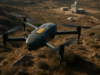
The personal air mobility industry is reaching a critical inflection point, where safety protocols and advanced flight control systems will determine which manufacturers lead the market. AIR, an emerging innovator in electric vertical takeoff and landing (eVTOL) aircraft, has unveiled a comprehensive safety-focused flight control philosophy for its flagship AIR ONE eVTOL vehicle. This development represents a significant step forward in establishing industry-wide confidence in autonomous urban air mobility and passenger safety standards.
A New Standard for eVTOL Flight Safety
AIR’s emphasis on safety-focused flight control philosophy distinguishes the AIR ONE from competitors in an increasingly crowded eVTOL marketplace. The company recognizes that public acceptance of air taxis and personal mobility vehicles hinges on demonstrable, transparent safety measures. Rather than rushing to deployment, AIR has prioritized rigorous testing and validation of its flight control systems to ensure redundancy, fault tolerance, and fail-safe mechanisms across all operational modes.
The AIR ONE’s flight control architecture incorporates multiple layers of protection, including advanced autopilot systems, real-time sensor fusion, and autonomous decision-making protocols that can respond to unexpected scenarios faster than human pilots. This multi-layered approach reduces pilot workload while increasing system reliability—a critical advantage for urban environments where response time is measured in milliseconds.
By establishing safety as the cornerstone of its design philosophy rather than an afterthought, AIR is positioning itself as a trusted partner for regulatory agencies, insurance providers, and ultimately, paying passengers who will demand absolute assurance before boarding an autonomous aircraft.
Engineering Redundancy Into Every System
Modern eVTOL aircraft face unique engineering challenges compared to traditional helicopters or fixed-wing aircraft. The AIR ONE addresses these challenges through redundant systems at every critical junction. Flight control surfaces, propulsion units, avionics, and communication systems all feature backup pathways and independent verification protocols.
Redundancy is not merely a design feature—it represents a fundamental philosophy that guides every decision in the development process. When engineers at AIR select components, they evaluate not only primary performance metrics but also failure modes and secondary system activation. This approach means that if a single motor fails, the AIR ONE maintains full controllability through its remaining propulsion units. If one flight control computer falters, a secondary system seamlessly assumes navigation responsibilities without pilot intervention.
This engineering approach extends to environmental sensing as well. The AIR ONE utilizes LIDAR, radar, and camera systems working in concert to create a comprehensive awareness of the surrounding environment. If one sensor suite is compromised by adverse weather or sunlight interference, the others compensate automatically, ensuring continuous situational awareness throughout all phases of flight.
Regulatory Alignment and Certification Pathways
AIR’s safety-focused development strategy aligns closely with the evolving regulatory frameworks established by aviation authorities worldwide. The Federal Aviation Administration (FAA), European Union Aviation Safety Agency (EASA), and other regulatory bodies have begun outlining certification requirements for eVTOL aircraft. AIR’s proactive approach to safety design positions the AIR ONE favorably within these emerging regulatory landscapes.
By emphasizing safety from conception rather than retrofitting safety measures during certification, AIR reduces the likelihood of costly design modifications late in the development cycle. This forward-thinking approach also accelerates the certification timeline, as regulators can be confident that the aircraft has been engineered to meet anticipated safety standards before formal review processes begin.
Furthermore, AIR’s documented safety philosophy provides a template that other manufacturers can adapt and implement. As the industry matures, safety-first design principles will become table stakes—a baseline expectation rather than a competitive differentiator. However, in 2026, AIR’s emphasis on this approach demonstrates industry leadership and commitment to long-term sustainability over short-term market gains.
Building Public Confidence Through Transparent Safety Messaging
Beyond engineering specifications, AIR recognizes that public acceptance of eVTOL technology depends on transparent communication about safety measures and design philosophy. The company’s willingness to publicly emphasize its safety-focused approach suggests confidence in its technical achievements and a commitment to regulatory compliance that appeals to both government agencies and potential customers.
This messaging strategy addresses a fundamental psychological barrier to air mobility adoption: the lingering anxiety many people feel about autonomous aircraft or unfamiliar aviation technology. By anchoring its brand identity to safety rather than speed or affordability, AIR is building trust with a skeptical but interested public audience. As pilot programs and urban air mobility trials expand across major metropolitan areas, this trust will prove invaluable in securing operating permissions and passenger adoption.
The AIR ONE’s safety philosophy also has implications for insurance and liability frameworks. Insurance companies are more likely to offer competitive rates and broader coverage for aircraft that demonstrate rigorous safety engineering. This economic advantage can translate into lower operational costs for eventual air taxi operators, making the service more financially viable and accessible to end users.
Key Safety Takeaways for the AIR ONE Platform
- Multi-layered flight control architecture with redundant autopilot systems and real-time sensor fusion ensures fault tolerance across all operational scenarios
- Redundant propulsion units, avionics, communication systems, and environmental sensors maintain full controllability and situational awareness even if individual components fail
- Regulatory-aligned design strategy accelerates FAA and EASA certification pathways while positioning AIR as an industry leader in safety-first eVTOL development
The AIR ONE eVTOL represents more than a new aircraft design—it embodies a fundamental shift in how the personal air mobility industry approaches safety, engineering, and public trust. By placing safety-focused flight control philosophy at the center of its development strategy, AIR is setting a precedent that will define the future of urban air mobility. As regulatory frameworks solidify and operational trials expand, manufacturers who have invested in comprehensive safety architecture will find themselves better positioned for success. The AIR ONE’s emphasis on redundancy, regulatory alignment, and transparent safety messaging demonstrates that profitable innovation and rigorous safety standards are not mutually exclusive—they are complementary pathways to a sustainable and trustworthy eVTOL ecosystem.