HIGHLIGHTS
- Archer Aviation faces intense competitive pressure and ongoing capital challenges despite successful Midnight aircraft test flights and solid engineering progress.
- Multiple well-funded competitors like Joby and Lilium are racing toward FAA certification, making execution speed and cost management critical to Archer’s survival.
- Success depends on regulatory approval, profitable manufacturing, market demand, and operator partnerships—creating significant execution risk for investors to evaluate.
Archer Aviation, one of the most closely watched eVTOL manufacturers in the United States, is navigating significant headwinds as the personal air mobility market enters a critical phase of development and certification. The company’s recent challenges have prompted investors and industry analysts to reassess the viability and timeline of commercial operations for this promising but capital-intensive sector.
The Current State of Archer Aviation’s Operations
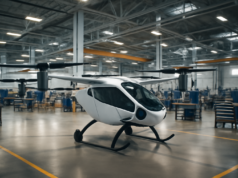
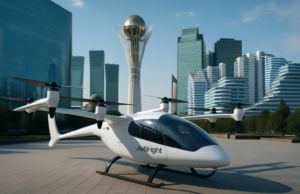
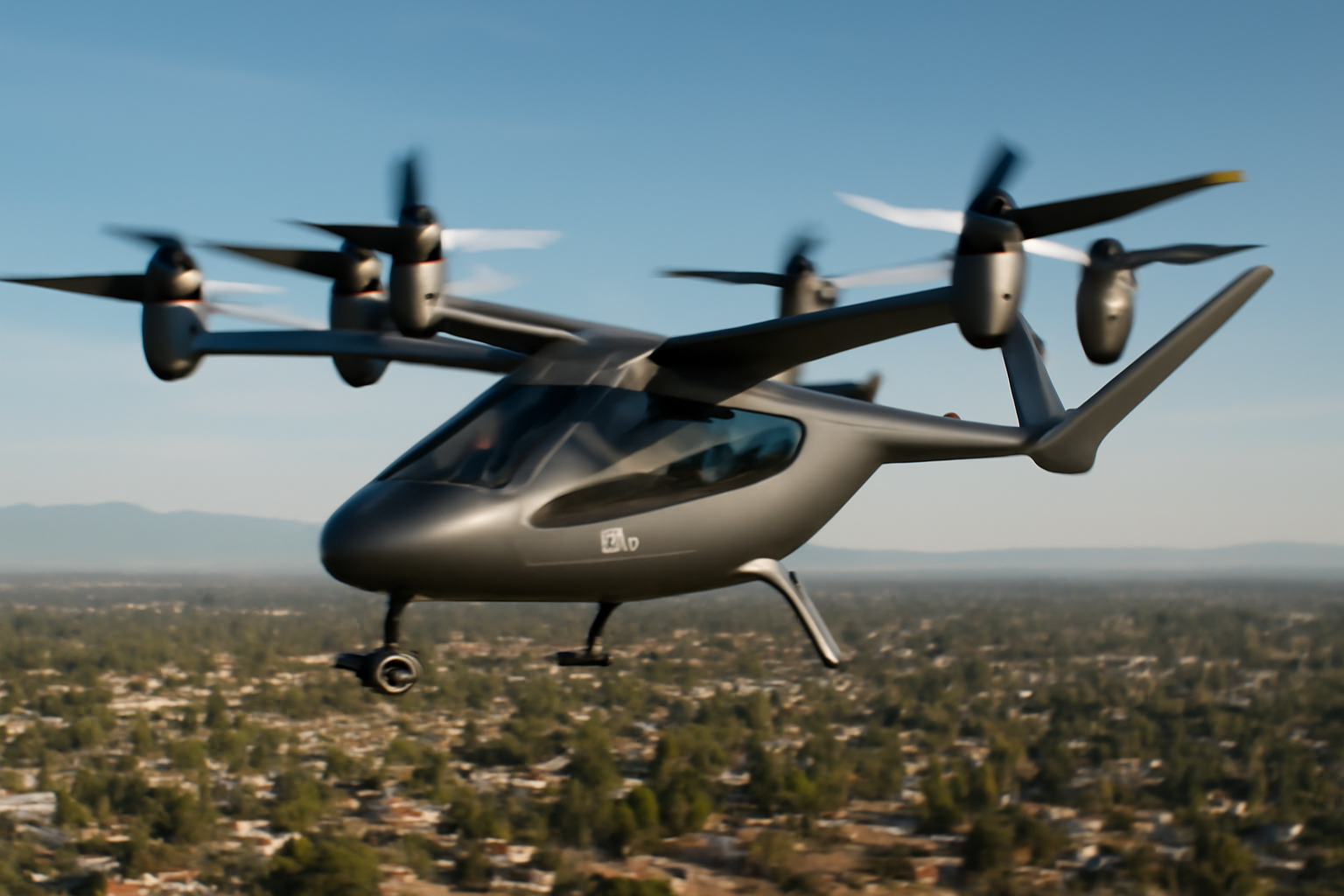
Archer Aviation has made substantial progress in developing its Midnight aircraft, a six-passenger electric vertical takeoff and landing vehicle designed for urban air mobility applications. The company has successfully conducted test flights and demonstrated the technical viability of its design, positioning itself as a serious contender in the race to commercialize eVTOL technology. However, translating technological achievement into profitable operations remains a formidable challenge.
The company’s financial position reflects the realities of the eVTOL sector: developing, certifying, and manufacturing advanced aircraft requires enormous capital investment before generating meaningful revenue. Archer has pursued strategic partnerships and secured funding from major investors, but the pace of commercial readiness has not always aligned with market expectations set during its early phases of public disclosure.
Recent performance metrics and statements from company leadership indicate that Archer is working to optimize its operations, reduce costs, and accelerate the path to certification from regulatory bodies like the FAA. These efforts are essential for the company to achieve the operational milestones that will ultimately determine its long-term success.
Market Pressures and Competitive Dynamics
The eVTOL market is increasingly crowded, with numerous startups and established aerospace companies investing heavily in electric vertical takeoff and landing technology. Companies such as Joby Aviation, Lilium, and others are racing toward similar certification and commercialization goals, creating intense competitive pressure on pricing, technology differentiation, and market share.
Investor enthusiasm for the sector has cooled somewhat since the peak of the 2021-2022 boom, when numerous eVTOL companies went public via SPAC mergers. This shift has made it harder for established players like Archer to attract capital at favorable valuations and has increased the scrutiny applied to business plans and financial projections.
Regulatory uncertainty also plays a significant role in market dynamics. The FAA and international aviation authorities are still developing certification frameworks for eVTOL aircraft, which means timelines for commercial operations remain fluid. Companies that can successfully navigate this uncertain regulatory environment while maintaining investor confidence will have a crucial advantage.
Financial Challenges and Capital Requirements
Like all pre-revenue or early-stage commercial aviation manufacturers, Archer faces substantial ongoing capital requirements to fund research and development, manufacturing infrastructure, regulatory compliance, and the eventual scaling of production. The company’s balance sheet and access to additional funding are critical factors that investors monitor closely.
The path to profitability in the eVTOL sector requires a successful combination of factors: timely regulatory approval, cost-effective manufacturing, market demand at viable price points, and the development of supporting infrastructure for operations and maintenance. Archer must demonstrate progress on all these fronts to maintain investor confidence.
Cost management and operational efficiency have become increasingly important as investors focus on companies with realistic paths to cash flow positivity. Archer’s ability to optimize its manufacturing processes and reduce unit costs will directly impact its competitive position and investment appeal.
Future Outlook and Strategic Priorities
Archer Aviation’s strategic priorities include completing the certification process for the Midnight aircraft, establishing partnerships with operators and service providers, and preparing for initial commercial operations. The company has publicly stated its intentions to begin operations within a defined timeframe, with targets typically aligned to the 2027-2028 period, though such timelines remain subject to regulatory approval.
The company’s partnerships with organizations like the United States military and various aviation operators provide potential revenue streams and operational validation that could strengthen its position. These relationships also offer strategic value beyond immediate commercial aircraft sales by establishing Archer as a trusted provider of advanced air mobility solutions.
Archer’s ability to scale production efficiently and maintain technological competitiveness will be crucial for success. The company is investing in manufacturing capabilities and supply chain development to support eventual commercial operations, recognizing that the transition from prototype to production aircraft represents a critical inflection point.
What Investors Should Consider
For investors evaluating Archer Aviation, several key factors warrant careful consideration. First, investors should distinguish between technological progress and commercial readiness—Archer has demonstrated strong engineering capabilities, but the company must still prove it can produce aircraft at scale profitably and maintain regulatory compliance across multiple jurisdictions.
Second, the competitive landscape is evolving rapidly, and market consolidation is possible. Investors should monitor which companies are most likely to achieve operational success first and maintain the financial resources needed to scale operations. The eVTOL sector is unlikely to support numerous profitable competitors in its early commercial phase.
Third, regulatory developments at the FAA and international aviation authorities will significantly influence timelines and operational requirements. Changes in certification standards, safety requirements, or airspace rules could impact Archer’s business plan. Investors should stay informed about regulatory proceedings and guidance documents that affect the eVTOL sector broadly.
Key Takeaways for Investors
- Archer Aviation has demonstrated solid engineering progress with the Midnight aircraft, but faces significant capital and competitive pressures typical of pre-revenue aerospace manufacturers.
- The eVTOL market is increasingly competitive, with multiple well-funded competitors racing toward certification, making differentiation and execution speed critical to Archer’s investment case.
- Success depends on multiple factors beyond technology—including regulatory approval timelines, cost-effective manufacturing, market demand, and operator partnerships—creating execution risk that investors must carefully evaluate.
Archer Aviation remains positioned as a significant player in the emerging eVTOL market, with solid technological foundations and strategic partnerships. However, investors should maintain realistic expectations about timelines, acknowledge the substantial risks inherent in the sector, and monitor the company’s progress on capital efficiency, regulatory compliance, and pathway to commercial operations. The next 12-24 months will be critical in determining whether Archer can successfully navigate these challenges and achieve the milestones necessary to validate its business model and investment thesis.