HIGHLIGHTS
- Beta Technologies’ MV250 is the first operational autonomous military aircraft, combining electric propulsion with AI-driven autonomy for tactical logistics and personnel movement.
- The platform operates from minimal infrastructure, eliminates pilot requirements, and produces zero emissions while maintaining military-grade reliability and real-time autonomous mission execution.
- Military validation of the MV250 accelerates civilian eVTOL adoption timelines and establishes new autonomous aircraft standards that will shape airspace regulations and urban air mobility development globally.
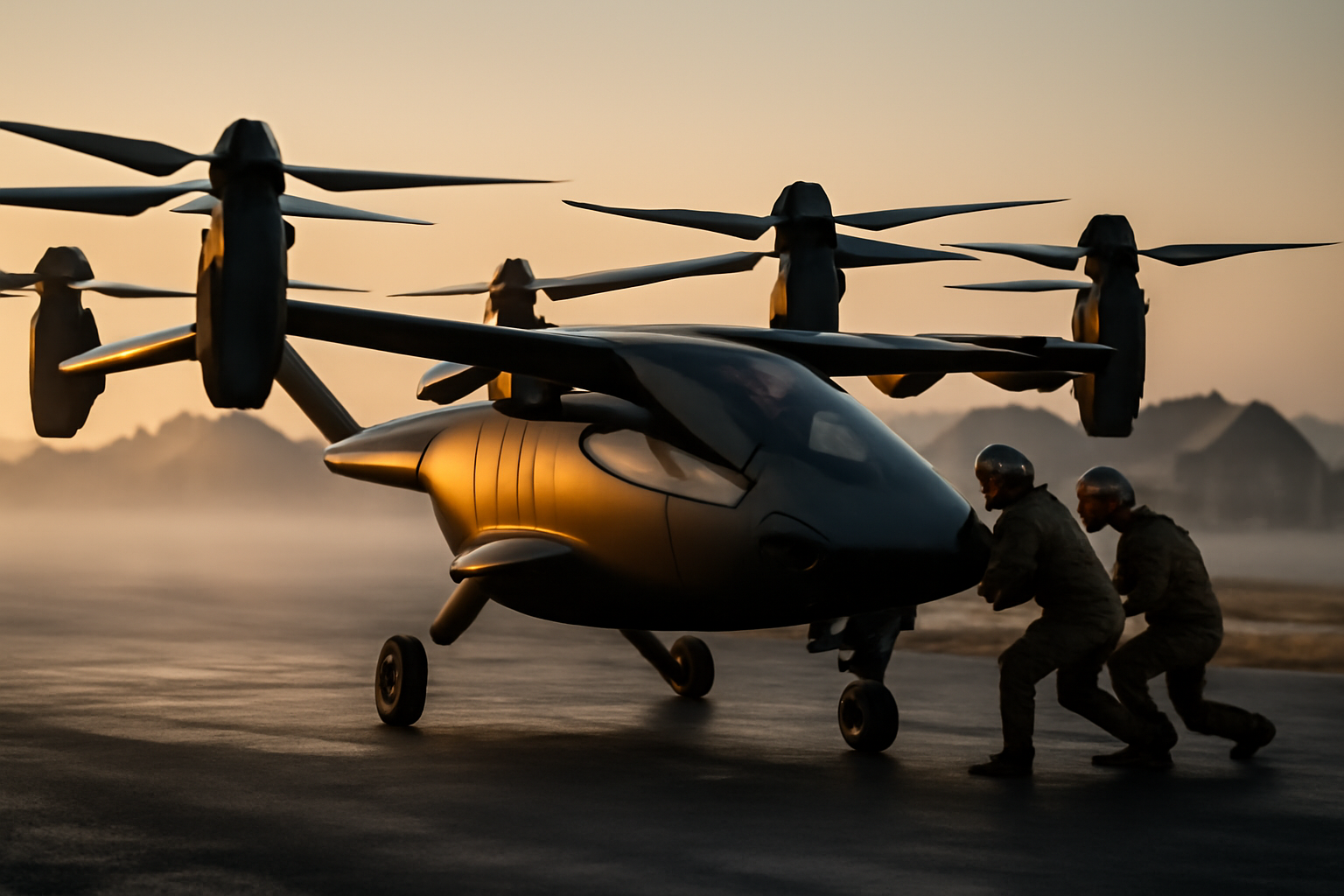
Beta Technologies has officially introduced the MV250, a groundbreaking autonomous military aircraft designed to redefine tactical mobility and logistics operations. This significant advancement in electric vertical takeoff and landing (eVTOL) technology represents a major milestone in the convergence of military innovation and sustainable aviation, positioning Beta Technologies as a leader in the autonomous aircraft sector. The MV250 promises to revolutionize how military forces approach cargo transport, personnel movement, and emergency response across diverse operational environments.
The MV250: Engineering Excellence Meets Military Precision
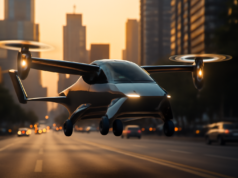
The MV250 emerges as Beta Technologies’ flagship autonomous military platform, engineered to handle demanding operational requirements while maintaining zero-emission flight capabilities. This aircraft combines advanced electric propulsion systems with autonomous flight control, enabling missions that would traditionally require manned aircraft or ground-based logistics networks. The design philosophy prioritizes reliability, rapid deployment, and operational flexibility—critical factors for modern military applications.
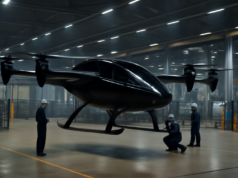
Beta Technologies’ development of the MV250 reflects years of research into autonomous flight systems, distributed electric propulsion, and real-time mission management. The aircraft’s architecture supports modular payload configurations, allowing military operators to adapt the platform for various mission profiles without requiring extensive reconfiguration. This versatility addresses a fundamental challenge in military logistics: the need for rapid, flexible response capabilities across multiple operational scenarios.
The autonomous capabilities embedded in the MV250 are particularly noteworthy. Rather than requiring constant pilot input, the aircraft can execute pre-programmed flight paths, navigate complex terrain, and adapt to dynamic environmental conditions. This level of autonomy reduces pilot workload, extends operational range through optimized flight profiles, and enables simultaneous multi-aircraft operations—a significant advantage for large-scale logistics operations or coordinated tactical missions.
Transforming Military Logistics and Supply Chain Operations
The MV250’s introduction addresses a critical pain point in military operations: rapid, reliable cargo and personnel transport over challenging terrain. Traditional helicopter logistics require extensive ground infrastructure, trained pilots, and ongoing maintenance. The MV250’s autonomous design and electric propulsion system dramatically reduce these operational costs while improving response times. Military units can deploy the aircraft for urgent supply runs, medical evacuations, or tactical repositioning without awaiting pilot availability.
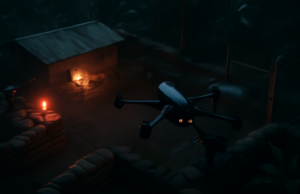
Beta Technologies’ autonomous system enables the MV250 to operate from minimal ground infrastructure, including unprepared landing zones and forward-operating bases with limited facilities. This operational flexibility is transformative for military operations in remote or contested environments where establishing traditional airfields is impractical. The aircraft can conduct autonomous missions in conditions that would typically ground manned rotorcraft, expanding the operational envelope for military logistics.
The environmental benefits of the MV250 extend beyond emissions reduction. Electric propulsion generates minimal acoustic signature, reducing detection risk in sensitive operational areas and minimizing noise pollution around military installations. Additionally, the simplified maintenance requirements of electric systems—compared to conventional turbine engines—reduce logistical burden and enable faster turnaround between missions, critical advantages for sustained military operations.
Autonomy, AI Integration, and Real-Time Decision Making
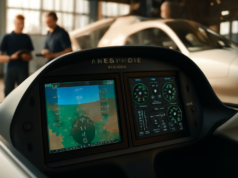
The MV250’s autonomous flight systems rely on sophisticated artificial intelligence and sensor fusion technologies that enable the aircraft to perceive and respond to its operational environment in real time. Advanced LiDAR, radar, and camera systems provide comprehensive situational awareness, allowing the aircraft to detect obstacles, identify landing zones, and adjust flight paths autonomously. This technological foundation ensures safe, reliable operations across diverse conditions without requiring constant ground-based oversight.
Beta Technologies has integrated machine learning algorithms that continuously improve flight performance and safety protocols. These systems analyze mission data to optimize energy consumption, identify maintenance needs before failures occur, and adapt autonomous behavior based on environmental patterns. The result is an aircraft that becomes more capable and efficient over time, learning from each mission to enhance operational performance.
Real-time communication between the MV250 and command centers enables operators to monitor mission progress, adjust objectives if necessary, and receive immediate alerts about any anomalies. This human-in-the-loop approach balances the efficiency of autonomous operations with the oversight required in military contexts. Commanders maintain the ability to intervene in automated missions while benefiting from the efficiency of autonomous execution during routine cargo and personnel movements.
The Competitive and Strategic Implications for Defense Sectors
The MV250’s introduction signals a fundamental shift in how military forces will approach mobility and logistics over the next decade. As other defense contractors and nations recognize the operational advantages of autonomous electric aircraft, competition will intensify to develop comparable platforms. Beta Technologies’ early leadership in this space positions the company as a critical player in the emerging autonomous military aviation market.
Governments worldwide are reassessing their logistics and transport strategies in light of eVTOL technology maturation. The MV250 demonstrates that military-grade autonomous electric aircraft are no longer theoretical concepts but operational realities. This validation is likely to accelerate defense procurement decisions, increase funding for autonomous aircraft programs, and attract top engineering talent to the sector.
The regulatory landscape surrounding autonomous military aircraft will evolve significantly in response to platforms like the MV250. Military applications often operate under different regulatory frameworks than civilian aviation, potentially enabling faster deployment and operational trials. However, the success of military autonomous platforms will inevitably influence civilian airspace regulations and operational standards, creating a feedback loop that accelerates the broader adoption of autonomous eVTOL technology across sectors.
Future Operational Deployment and Industry Impact
The MV250 represents the culmination of years of autonomous flight research and represents a significant validation point for eVTOL technology in demanding operational contexts. As military operators begin integrating the MV250 into their logistics networks, lessons learned will inform subsequent generations of autonomous aircraft and influence platform development across the industry. The operational data gathered from military deployments will provide invaluable insights into autonomous flight performance under real-world stress conditions.
Beta Technologies’ focus on the military market opens pathways for eventual civilian applications. Technologies proven in military contexts often transition to commercial use, with cybersecurity protocols, reliability standards, and operational procedures developed in defense applications often becoming industry standards. The MV250’s success will likely accelerate the maturation of civilian autonomous aircraft platforms and regulatory frameworks that support their safe integration into airspace.
Looking forward, the MV250 establishes a template for autonomous military aircraft that balances operational capability, sustainability, and cost-effectiveness. As battery technology continues to improve and autonomous systems mature, subsequent variants and competitors will likely expand payload capacity, flight endurance, and operational range. The MV250 is not the endpoint but rather a significant waypoint in the evolution toward fully autonomous, electric-powered military logistics networks.
Key Takeaways: The MV250’s Impact on Military Aviation
- Beta Technologies’ MV250 is the first autonomous military aircraft to achieve operational status, combining zero-emission electric propulsion with advanced AI-driven flight autonomy for tactical logistics and personnel transport.
- The platform eliminates traditional pilot requirements, operates from minimal ground infrastructure, and generates minimal acoustic signature, fundamentally transforming military supply chain efficiency in remote and contested environments.
- The MV250’s military validation accelerates broader eVTOL technology adoption, establishing new industry standards for autonomous aircraft and influencing civilian airspace regulations for the next generation of urban air mobility platforms.
The introduction of Beta Technologies’ MV250 marks a watershed moment in military aviation history. By successfully deploying an autonomous, zero-emission aircraft for demanding tactical operations, Beta Technologies has proven that eVTOL technology is ready for the most stringent operational requirements. As military forces worldwide recognize the transformative potential of autonomous electric aircraft, the MV250 will catalyze a broader shift toward sustainable, intelligent logistics systems. This advancement extends far beyond military applications—it validates the eVTOL technology platform itself and accelerates the timeline for civilian autonomous air mobility integration into urban and regional transportation networks. The future of military logistics is autonomous, electric, and intelligent; the MV250 is its operational foundation.