HIGHLIGHTS
- Springfield’s Air Mobility Forum brings together industry leaders, regulators, and community stakeholders to chart the future of eVTOL and drone technology in the region
- Clear regulatory frameworks and safety standards are essential for commercial eVTOL services expected to launch within the next few years across North American markets
- Early adoption of air mobility infrastructure and workforce development programs position Springfield to capture significant manufacturing, maintenance, and operational employment opportunities
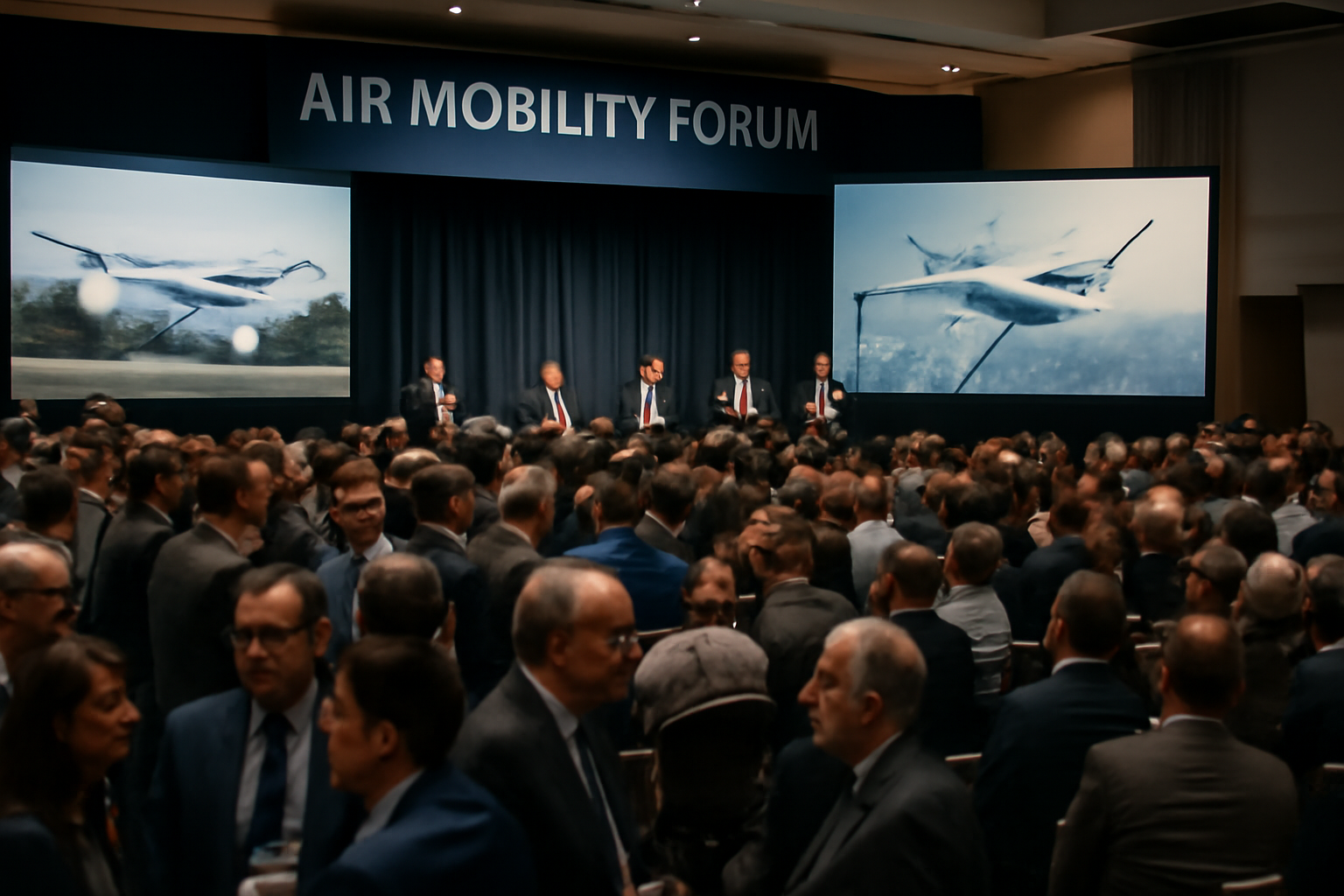
Springfield has become the epicenter of a transformative conversation about the future of urban and regional air mobility. The Air Mobility Forum, held in the city, brought together industry leaders, innovators, and policymakers to discuss how electric vertical takeoff and landing (eVTOL) aircraft and drone technology will reshape transportation in Springfield and beyond. The event underscored a critical moment in the evolution of personal air mobility, where technological advancement is meeting regulatory frameworks and community engagement.
The Rise of eVTOL Technology in Urban Environments
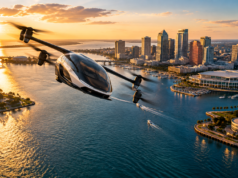
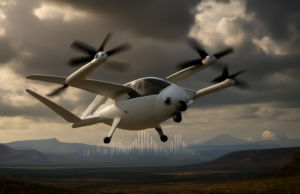
Electric vertical takeoff and landing aircraft represent one of the most promising innovations in transportation technology. Unlike traditional helicopters, eVTOLs promise quieter, cleaner, and more efficient operations, making them suitable for urban and suburban environments where noise and emissions are primary concerns. The Air Mobility Forum highlighted how these aircraft can address critical transportation challenges, particularly in cities facing congestion and limited infrastructure investment.
The environmental benefits of eVTOL technology cannot be overstated. By replacing fossil fuel-powered helicopters and reducing reliance on ground-based transportation for certain routes, eVTOLs contribute to cleaner air and lower carbon emissions. Many industry participants at the forum emphasized that the transition to electric propulsion is not merely an environmental imperative but an economic opportunity, creating jobs in manufacturing, maintenance, and operations.
Springfield’s interest in hosting this forum demonstrates the city’s recognition of eVTOL’s transformative potential. As developers work to bring commercial eVTOL services to markets across North America, cities like Springfield are positioning themselves as early adopters and innovation hubs. This forward-thinking approach opens doors for investment, job creation, and technological development within the region.
Regulatory Framework and Safety Standards
A significant portion of the Air Mobility Forum discussions centered on the regulatory environment governing eVTOL operations. Aviation authorities worldwide are still developing comprehensive certification standards for these novel aircraft. Participants emphasized that clear, consistent regulations are essential for building public confidence and enabling operators to launch commercial services safely and efficiently.
The forum highlighted the delicate balance between fostering innovation and ensuring safety. Regulators, manufacturers, and operators must collaborate to establish standards that address unique eVTOL characteristics, such as distributed electric propulsion, advanced battery systems, and autonomous or semi-autonomous flight capabilities. Springfield’s participation in this discussion positions local stakeholders to influence frameworks that could shape regional air mobility development.
Safety testing, pilot certification, and airspace management emerged as critical topics. As eVTOL operations expand, the aviation system must evolve to accommodate new types of aircraft sharing airspace with traditional helicopters, airplanes, and eventually, autonomous delivery drones. The forum stressed that this integration requires coordinated efforts across government agencies, industry, and community representatives to ensure seamless and secure operations.
Economic Opportunities and Job Creation
The Air Mobility Forum spotlighted the economic potential of the eVTOL and drone industry in Springfield and surrounding regions. Manufacturing facilities, maintenance hubs, pilot training centers, and operational infrastructure represent significant employment opportunities. Early-stage eVTOL companies are actively seeking locations for operations and support services, and communities that demonstrate commitment to air mobility innovation are attracting investment.
Beyond manufacturing and maintenance, the ecosystem includes software development, battery technology, charging infrastructure, and management systems. These complementary industries create a multiplier effect, with each job in core eVTOL operations supporting additional employment in supply chains and service sectors. Springfield’s participation in the forum signals to investors and entrepreneurs that the city is prepared to support air mobility growth.
The forum also addressed workforce development and education. Training programs for eVTOL pilots, mechanics, and engineers are beginning to emerge, and cities planning for the air mobility future are establishing partnerships with educational institutions. Springfield’s engagement with the industry suggests the city may soon host such training facilities, further embedding air mobility expertise and employment within the community.
Community Acceptance and Urban Integration
Successfully integrating air mobility into urban and suburban environments requires more than technology and regulation—it demands community acceptance. The Air Mobility Forum addressed public perceptions, safety concerns, and quality-of-life considerations that influence how residents and officials view eVTOL operations. Noise levels, traffic patterns, and visual impact were among the concerns discussed, alongside strategies for transparent communication and community engagement.
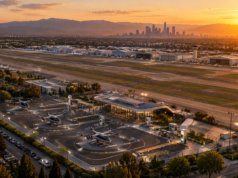
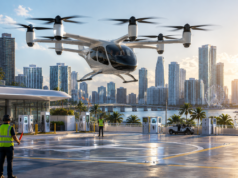
Springfield’s emphasis on the broader impact of air mobility reflects a mature approach to technological adoption. Rather than viewing eVTOLs and delivery drones as isolated innovations, the forum participants recognized these aircraft as part of a larger transformation in how people and goods move through cities. Successful integration requires planning for landing facilities, vertiports, charging infrastructure, and traffic management systems that complement existing transportation networks.
The forum highlighted examples from pioneering cities that have welcomed air mobility trials and operations. Early adopter communities have developed best practices for siting infrastructure, managing public expectations, and capturing economic benefits while mitigating potential downsides. Springfield’s interest in hosting this conversation positions the city to learn from these experiences and shape its own air mobility future thoughtfully.
Future Trajectory and Next Steps
The Air Mobility Forum in Springfield underscored that the future of flight is not a distant possibility but an emerging reality. Commercial eVTOL services are expected to launch in multiple markets within the next few years, with applications ranging from urban air taxi services to cargo delivery and emergency medical transport. The timeline for widespread adoption will depend on continued technological improvements, regulatory approvals, and successful demonstration flights in real-world conditions.
Springfield’s engagement with this pivotal moment reflects forward-thinking leadership. By convening stakeholders and elevating air mobility discussions, the city is preparing for a future where these technologies become integral to regional transportation. Investment in planning, community education, and infrastructure development today positions Springfield to capture benefits and address challenges proactively.
The broader implications extend beyond Springfield. As cities across North America and globally grapple with congestion, emissions, and transportation equity, eVTOL technology and drone innovation offer promising solutions. Forums like the one in Springfield serve as catalysts for knowledge sharing, relationship building, and collaborative problem-solving—essential ingredients for realizing the transformative potential of air mobility.
Key Takeaways
- eVTOL technology promises quieter, cleaner urban transportation with significant environmental and economic benefits for early-adopter cities like Springfield
- Regulatory frameworks, safety standards, and airspace management must evolve collaboratively to enable safe, efficient integration of air mobility into existing transportation systems
- Early investment in infrastructure, workforce development, and community engagement positions Springfield to capture manufacturing, maintenance, and operational jobs in the emerging air mobility sector
The Air Mobility Forum in Springfield marks a pivotal moment in the journey toward a future where electric aircraft revolutionize transportation. As technological capabilities mature and regulatory pathways clarify, cities that embrace air mobility innovation will lead the transition to cleaner, more efficient urban and regional transportation systems. Springfield’s commitment to this conversation demonstrates the city’s readiness to shape and benefit from the transformative changes ahead.