HIGHLIGHTS
- Germany combines automotive engineering and battery expertise to lead global EV drone development, backed by government funding and university partnerships at TU Darmstadt and TU Berlin.
- Progressive federal regulations and urban pilot programs in Berlin, Munich, and Frankfurt are establishing clear certification pathways and operational corridors for commercial drone deployment.
- Next-generation battery technologies and commercial applications in delivery, emergency response, and infrastructure inspection are positioning German manufacturers for significant market growth over the next 3-5 years.
Germany has long positioned itself as a global leader in engineering and innovation, and its latest developments in EV drone technology are no exception. Recent reports from DPA highlight significant advancements in the German drone sector, signaling a pivotal moment for personal air mobility. As regulatory frameworks evolve and investment flows into emerging aerospace technologies, Germany’s commitment to sustainable urban air mobility solutions continues to strengthen the nation’s competitive advantage in the international market.
Germany’s Leadership in EV Drone Development
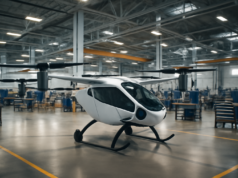
The German aerospace and automotive sectors have converged to create a unique ecosystem for EV drone innovation. Companies across Germany are leveraging decades of mechanical engineering expertise to develop propulsion systems, battery technology, and autonomous flight control systems that set new industry standards. This synergy between traditional automotive strength and emerging drone technology has positioned Germany as a benchmark for quality and reliability in the personal air mobility sector.
Government support and funding initiatives have been instrumental in accelerating research and development across German universities and private enterprises. Universities like TU Darmstadt and TU Berlin have established specialized programs focused on drone design, battery optimization, and urban air mobility integration. These academic partnerships with industry leaders are creating a talent pipeline that sustains Germany’s innovation momentum.
The competitive landscape in Germany includes both established aviation companies and agile startups working on next-generation EV drone platforms. This mix of experience and innovation drives rapid iteration cycles and breakthrough technologies. German manufacturers are particularly focused on energy efficiency, safety protocols, and noise reduction—critical factors for urban deployment.
Regulatory Progress and Urban Integration
Germany’s federal aviation authority has been progressively updating regulations to accommodate commercial EV drone operations in urban environments. Recent guidance from German regulators provides clearer pathways for certification, testing protocols, and operational corridors for personal air mobility vehicles. This regulatory clarity reduces barriers to market entry and accelerates the transition from laboratory testing to real-world deployment.
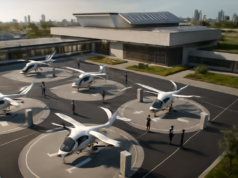
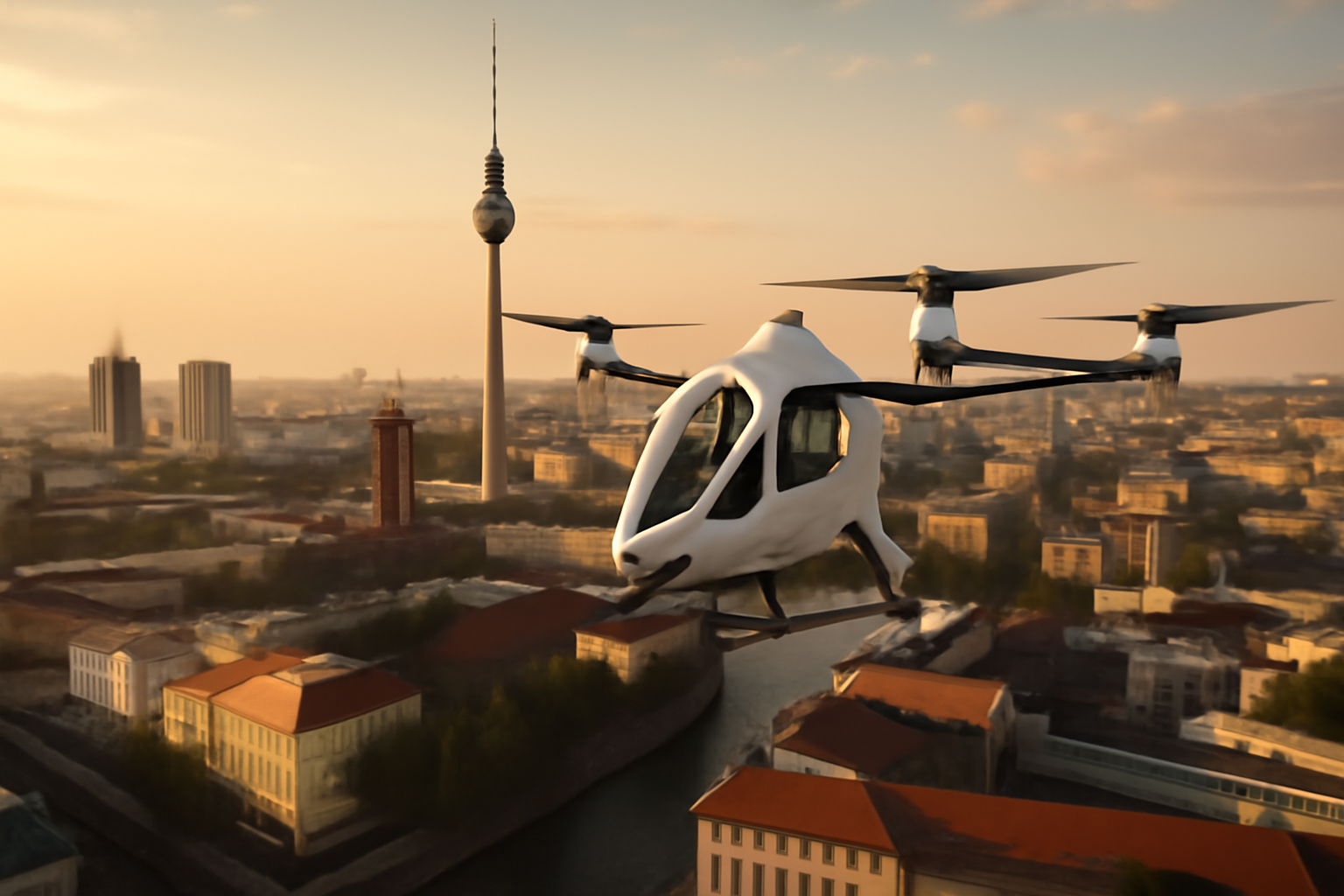
City planning departments across major German metropolitan areas are collaborating with drone manufacturers to design urban air mobility corridors. Cities like Berlin, Munich, and Frankfurt are piloting drone delivery services and air taxi concepts that require sophisticated coordination between municipal authorities, operators, and technology providers. These pilot programs generate valuable data that informs both regulatory improvements and technology refinements.
The integration of EV drones into Germany’s existing transportation infrastructure presents both opportunities and challenges. Planners must balance the efficiency gains of aerial mobility with environmental protection, noise management, and public safety considerations. Germany’s stringent environmental standards are actually accelerating the adoption of zero-emission EV drones, creating a natural competitive advantage for German manufacturers.
Battery Technology and Sustainability
German expertise in battery chemistry and manufacturing is directly applicable to EV drone development. Companies specializing in lithium-ion and next-generation battery technologies have launched dedicated divisions focused on aerial mobility applications. These efforts aim to extend flight times, reduce weight, and improve energy density—all critical performance metrics for commercial viability.
The focus on sustainability is not merely regulatory compliance but a core value proposition for German manufacturers. EV drones eliminate emissions during operation, reducing urban air pollution compared to traditional combustion-based vehicles. When paired with renewable energy sources for charging infrastructure, the entire lifecycle environmental impact becomes significantly lower than conventional transportation alternatives.
Research into alternative battery chemistries, including solid-state and lithium-air designs, is actively underway at German research institutions. These emerging technologies promise to deliver even greater energy density and faster charging times, potentially transforming the economics of commercial drone operations. Early-stage prototypes suggest that next-generation battery technology could arrive within the next 3-5 years.
Market Opportunities and Commercial Applications
The German market for EV drones spans multiple high-value applications, from last-mile delivery to emergency response and infrastructure inspection. Logistics companies are particularly interested in drone-based solutions for rural delivery routes where traditional infrastructure is less efficient. German precision manufacturing expertise is enabling the development of specialized payload systems tailored to specific industry needs.
Insurance and financial institutions are beginning to underwrite drone operations, signaling growing confidence in the technology’s maturity and safety profile. This financial ecosystem development is crucial for attracting corporate investment and enabling startups to scale operations. Insurance products specifically designed for commercial EV drone operations are now emerging, with German insurers leading industry standards.
Tourism and entertainment applications represent an emerging opportunity for German drone manufacturers. Aerial photography, environmental monitoring, and infrastructure assessment services create immediate revenue opportunities while the technology continues to mature toward full urban integration. These early-stage commercial applications help fund ongoing research and generate operational experience.
Challenges and Future Outlook
Despite significant progress, German EV drone developers face ongoing challenges related to air traffic management, battery lifecycle management, and public acceptance. Integrating autonomous drone operations into existing airspace without compromising manned aircraft safety requires sophisticated communication systems and regulatory cooperation at international levels. Germany is working with EU partners to establish harmonized standards that facilitate cross-border operations.
The manufacturing scale-up from prototype to mass production presents both financial and technical challenges. German factories are traditionally optimized for automotive production, and adapting these facilities for drone manufacturing requires significant capital investment and process innovation. Several companies are establishing dedicated manufacturing lines, representing substantial confidence in market demand.
Public perception and social acceptance of urban drones remain areas requiring ongoing attention. German public discourse around noise, privacy, and air traffic safety is shaping how manufacturers and regulators approach deployment strategies. Community engagement programs and transparent communication about safety measures are helping to build public support for the technology.
Key Takeaways for Germany’s EV Drone Sector
- Germany leverages automotive engineering heritage and battery expertise to lead EV drone innovation, with government support accelerating development across universities and private enterprises.
- Progressive German regulations and urban pilot programs in Berlin, Munich, and Frankfurt are creating clear deployment pathways while data-driven city planning integrates drones into transportation infrastructure.
- Commercial applications spanning delivery, emergency response, and infrastructure inspection are generating immediate revenue opportunities while battery technology advances promise 3-5 year improvements in flight time and performance.
Germany’s position as a global technology leader continues to strengthen as EV drone innovation matures. The convergence of regulatory support, industrial expertise, and market opportunity creates a compelling environment for sustained growth and breakthrough applications. As the industry progresses from pilot programs to commercial scale, German manufacturers and innovators are well-positioned to capture significant market share and shape global standards for personal air mobility. The next few years will be critical in determining whether Germany can translate its current advantages into lasting market leadership in this transformative transportation sector.