HIGHLIGHTS
- XPeng’s Aridge eVTOL draws significant industry interest at IFA 2026, representing a major milestone in Chinese personal air mobility development
- Hands-on experiences at major tech shows provide crucial validation of design philosophy and passenger comfort in next-generation aircraft
- The Aridge demonstrates how EV and drone technology convergence is accelerating practical solutions for urban air transportation
The buzz around electric vertical takeoff and landing (eVTOL) aircraft continues to intensify, and XPeng’s latest offering has emerged as a standout contender in the rapidly evolving personal air mobility landscape. During IFA 2026, we had the opportunity to step inside the Aridge eVTOL and experience firsthand what has captured the attention of industry insiders, tech enthusiasts, and investors alike. Our hands-on encounter revealed why this vehicle represents a significant leap forward in the pursuit of practical urban air transportation.
The Design Philosophy Behind the Aridge
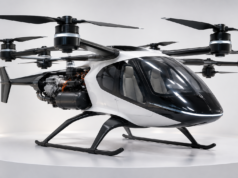
XPeng’s Aridge eVTOL embodies a carefully considered design approach that balances form and function in ways that earlier iterations often struggled to achieve. The vehicle’s aesthetic signals sophistication and intent, moving beyond the experimental look that characterizes many competing concepts. Every line, curve, and structural element appears purposeful, reflecting years of aeronautical research and consumer feedback integrated into a cohesive vision.
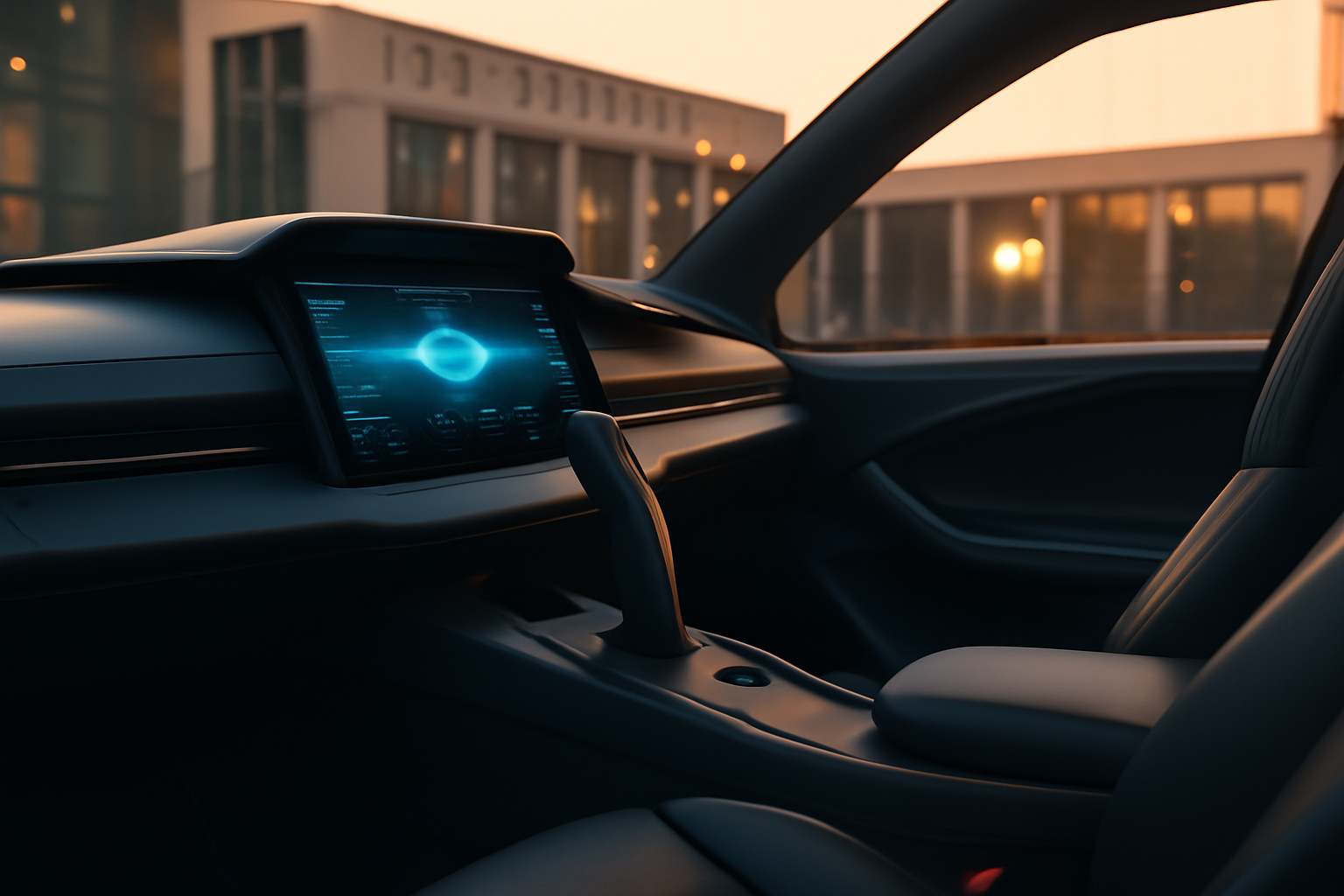
The interior cabin of the Aridge demonstrates an impressive attention to detail that often separates premium manufacturers from mid-tier competitors. Rather than cramped seating or utilitarian aesthetics, the cabin layout prioritizes passenger comfort while maintaining structural integrity and weight optimization—critical factors for eVTOL performance. The interface between pilot controls and passenger space has been thoughtfully designed to minimize disruption and maximize the sense of safety for those experiencing vertical flight for the first time.
What truly distinguishes the Aridge’s design philosophy is its recognition that eVTOL aircraft must eventually serve everyday consumers, not just thrill-seekers or wealthy early adopters. This principle manifests in accessibility features, intuitive controls, and a cabin environment that feels more like premium automotive interiors than experimental aircraft. XPeng’s engineering team has clearly invested considerable effort into understanding the psychological and physical comfort requirements of future air taxi passengers.
Technical Innovation and Performance Capabilities
The Aridge showcases significant technical advancements in battery technology, electric propulsion systems, and autonomous flight capabilities. XPeng has leveraged its extensive experience in electric vehicle development to create a propulsion system that offers both efficiency and reliability—two qualities essential for commercial viability in the personal air mobility sector. The battery integration demonstrates a sophisticated approach to weight distribution and thermal management, addressing longstanding challenges in eVTOL engineering.
Flight dynamics represent another area where the Aridge excels compared to earlier eVTOL prototypes. During presentations at IFA 2026, XPeng engineers emphasized the vehicle’s stability across various flight regimes, from vertical takeoff through transition phases and forward flight. Advanced flight control systems continuously adjust rotor speed and angle to maintain smooth operation, reducing the dramatic attitude changes that characterized earlier electric aircraft. This refinement directly translates to passenger comfort and confidence during actual flight operations.
Redundancy systems built into the Aridge provide additional layers of safety assurance. Multiple battery packs, distributed power systems, and backup flight controls ensure that the aircraft can safely return to ground even in the event of component failures. These engineering choices reflect a maturation of the eVTOL industry’s understanding of safety requirements and regulatory expectations that will govern future certification and operation of air taxi networks.
Market Positioning and Competitive Landscape
XPeng’s entry into personal air mobility represents a strategic expansion that leverages the company’s existing expertise in electric vehicle manufacturing, battery technology, and autonomous systems. Unlike some competitors who are starting from scratch with aviation engineering, XPeng brings established supply chain relationships, manufacturing infrastructure, and capital resources that accelerate development timelines. The Aridge benefits from this institutional foundation, which is evident in the vehicle’s polish and completeness.
The competitive positioning of the Aridge is particularly noteworthy given the crowded field of eVTOL developers. Joby Aviation, Lilium, Archer Aviation, and others have captured media attention, but many struggled with technical challenges, funding constraints, or manufacturing readiness. XPeng’s parallel approach—building on automotive expertise rather than pure aviation pedigree—offers a different pathway to certification and production that may ultimately prove more scalable and cost-effective.
Global market dynamics further enhance XPeng’s positioning. As regulatory frameworks for eVTOL operations solidify in Europe, Asia-Pacific regions, and eventually North America, early commercial deployments are likely to occur in cities with existing relationships to Chinese manufacturers and sufficient urban density to support air taxi networks. XPeng’s Aridge is strategically positioned to capture market share in these initial deployment scenarios, potentially establishing operational networks and customer bases before many Western competitors achieve certification.
Consumer Experience and Future Urban Mobility
Sitting inside the Aridge eVTOL provided genuine insight into how consumers will experience this revolutionary transportation mode. The cabin acoustic treatments minimize noise from the electric rotors, addressing a concern that has plagued conceptual designs presented without acoustic data. Large windows provide passengers with views of the skyline during flight, transforming the journey into an experience rather than merely a means of transportation. These considerations reflect an understanding that early eVTOL passengers will be paying premium prices and will demand corresponding quality experiences.
The integration of digital interfaces and autonomous flight systems suggests that passengers will interact with the Aridge through intuitive touchscreen displays and voice commands similar to those in modern vehicles. This familiarity with automotive technology should ease the transition for consumers accustomed to electric vehicles like XPeng’s own production automobiles. Over-the-air software updates and continuous refinement of flight algorithms promise to enhance performance and introduce new features throughout the aircraft’s operational life.
Future urban mobility scenarios increasingly incorporate eVTOL aircraft as integrated components of multi-modal transportation networks. The Aridge’s design facilitates this integration by enabling rapid turnaround between flights, standardized boarding procedures, and compatibility with ground infrastructure being developed for emerging air taxi networks. XPeng’s experience managing app-based services through its automotive ecosystem positions the company well to operate integrated transportation platforms that coordinate ground vehicles, charging networks, and air mobility services.
Key Industry Takeaways
- XPeng’s Aridge demonstrates that Chinese manufacturers can compete with Western eVTOL developers by leveraging automotive expertise and advanced manufacturing capabilities
- Consumer-focused design elements including comfort, cabin acoustics, and intuitive interfaces indicate eVTOL adoption rates may accelerate faster than industry predictions
- The vehicle’s technical maturity and performance characteristics suggest near-term certification pathways and potential commercial deployment within 24-36 months
Our experience with XPeng’s Aridge eVTOL at IFA 2026 confirmed that the personal air mobility revolution is progressing beyond theoretical concepts into tangible, consumer-ready vehicles. The engineering sophistication, attention to passenger comfort, and strategic market positioning collectively explain why industry observers are taking this aircraft seriously. As eVTOL regulation solidifies and early commercial networks launch, the Aridge appears well-positioned to become a defining vehicle in the transition of how people move through cities. For those following the electric aviation sector, XPeng’s offering deserves close attention as a credible contender that bridges the gap between innovation and practical deployment.