HIGHLIGHTS
- Archer Aviation’s stock surged 10.3% following a major ZEE AI autonomous systems milestone and successful Midnight eVTOL roundtrip flight test, signaling investor confidence in the company’s commercialization trajectory.
- ZEE AI represents Archer’s integrated autonomous flight management and artificial intelligence framework, advancing the company’s capabilities to meet FAA certification requirements and enable safe commercial urban air mobility operations.
- Successful roundtrip testing of the Midnight aircraft demonstrates real-world performance and reliability, providing critical data for regulatory certification and positioning Archer for early commercial route authorizations.
Archer Aviation has demonstrated significant momentum in the personal air mobility sector, with its stock price climbing 10.3% following announcements of a major ZEE AI milestone and successful Midnight eVTOL roundtrip testing. This substantial market reaction reflects investor confidence in the company’s technological progress and commercialization timeline, positioning Archer as a key player in the rapidly evolving eVTOL landscape.
Archer Aviation’s Market Performance and Stock Surge
The 10.3% stock increase represents a meaningful vote of confidence from the investment community in Archer Aviation’s strategic direction and operational execution. This gain comes at a critical juncture when many eVTOL companies are facing regulatory scrutiny and funding pressures, making Archer’s positive market reception particularly noteworthy. The surge suggests that stakeholders view the company’s recent announcements as concrete validation of its development roadmap and near-term commercialization prospects.
Market analysts have closely watched Archer’s progress as a barometer for the broader eVTOL sector’s maturity and investment viability. The stock reaction indicates that the company has successfully translated technical achievements into investor sentiment, a challenge many aviation startups struggle to overcome. This momentum may also strengthen Archer’s position in ongoing partnerships and supplier negotiations, as positive market perception typically translates into improved negotiating leverage.
The timing of this announcement is strategically significant, occurring in mid-2026 when several competing eVTOL manufacturers are still working toward equivalent operational milestones. Archer’s ability to reach these benchmarks ahead of some competitors could provide the company with a first-mover advantage in securing regulatory approvals and early commercial routes.
ZEE AI Milestone: Advancing Autonomous Systems and Safety
The ZEE AI milestone represents a critical advancement in autonomous flight management and artificial intelligence integration for Archer’s platform. ZEE AI refers to the company’s integrated autonomous systems framework, which enhances flight safety, operational efficiency, and pathway optimization for the Midnight eVTOL aircraft. This achievement demonstrates Archer’s commitment to developing not just hardware, but sophisticated software ecosystems that support commercial-scale operations.
Autonomous systems integration is essential for eVTOL operators seeking to maximize efficiency and reduce pilot workload during congested urban airspace operations. ZEE AI’s capabilities likely include real-time route optimization, obstacle avoidance, traffic deconfliction, and emergency response protocols—all critical components for safe point-to-point urban air mobility. By advancing these systems, Archer strengthens its value proposition to potential customers, including air mobility operators and urban logistics companies.
The milestone also carries regulatory significance, as aviation authorities require robust autonomous systems to be thoroughly validated before permitting commercial eVTOL operations. Archer’s progress in this area suggests the company is moving closer to satisfying Federal Aviation Administration (FAA) and international regulatory standards for autonomous flight management, bringing commercial certification timelines into sharper focus.
Midnight eVTOL Roundtrip Testing: Proving Real-World Capability
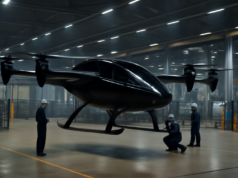
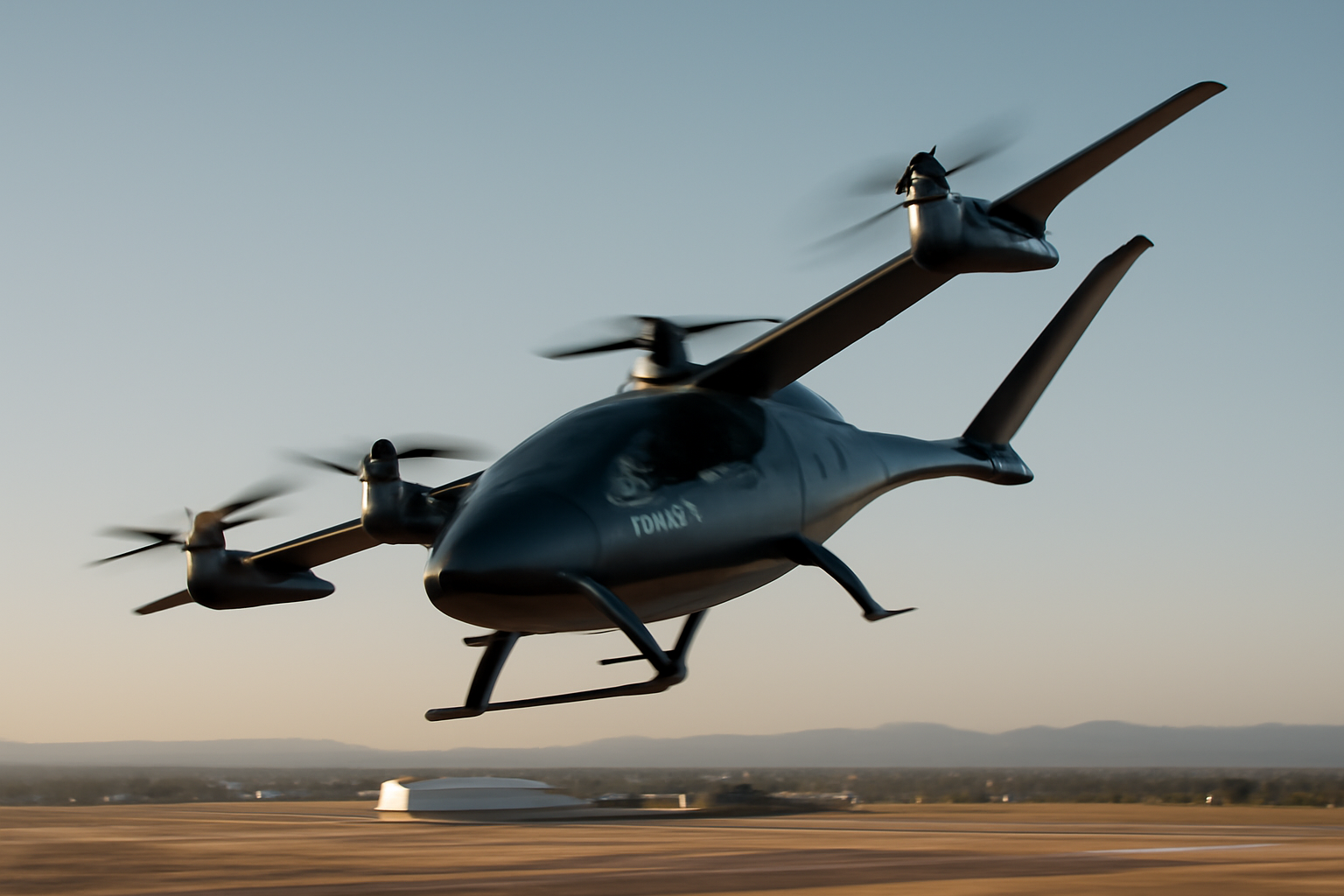
The successful roundtrip flight test of Archer’s Midnight eVTOL aircraft represents a tangible demonstration of the vehicle’s real-world performance capabilities. Unlike tethered or controlled test flights, roundtrip testing involves completing a full departure, transit, and return sequence, validating the aircraft’s endurance, control responsiveness, power management, and safe recovery procedures. This type of testing generates essential data for regulatory certification and operational planning.
Roundtrip testing also serves as a psychological milestone for stakeholders, investors, and potential operators who need assurance that the aircraft performs reliably across complete mission profiles. The Midnight vehicle’s ability to complete such tests demonstrates maturity in design, manufacturing quality, and systems integration. These factors are particularly important for gaining confidence from insurance underwriters, air traffic control authorities, and the commercial operators who will ultimately purchase or lease Archer’s aircraft.
The success of roundtrip testing further de-risks Archer’s path to commercial deployment by providing concrete evidence that the aircraft meets its design specifications and performance targets. This data will inform the company’s certification submissions to the FAA and support applications for special flight authorizations (SFAs) that permit commercial eVTOL operations in controlled airspace over populated areas.
Strategic Implications for eVTOL Industry Timeline and Competition
Archer Aviation’s announcement arrives amid intensifying competition among eVTOL manufacturers racing toward certification and commercial deployment. Companies like Joby Aviation, Lilium, and others have also achieved significant milestones, but Archer’s dual breakthrough—ZEE AI advancement plus successful roundtrip testing—suggests the company is executing across both software and hardware dimensions simultaneously. This balanced progress is essential for operators seeking fully integrated, mission-ready systems.
The market’s positive response to Archer’s news may accelerate industry timelines by signaling to regulatory agencies that eVTOL technology is approaching maturity faster than previously projected. The FAA and international aviation authorities may begin expediting certification processes for companies demonstrating consistent, verifiable progress. This could compress the window between initial commercial approvals and meaningful revenue-generating operations, benefiting early leaders like Archer.
Looking ahead, Archer’s continued ability to deliver on technical milestones will be critical for sustaining investor confidence and securing partnerships with air mobility operators. The company’s progress positions it favorably for potential routes connecting major urban centers, airport ground transportation, and emergency medical services—use cases that represent the highest-value early applications for commercial eVTOL services.
Regulatory Pathway and Commercialization Outlook
Archer’s successful testing and autonomous systems advancement clear significant hurdles on the path to FAA certification. The agency has established a certification framework for special class aircraft, which includes eVTOLs, requiring manufacturers to demonstrate airworthiness through a combination of analysis, ground testing, and flight testing. Archer’s completion of roundtrip tests contributes essential data to this certification dossier.
The ZEE AI milestone further strengthens Archer’s certification case by demonstrating that the company has engineered robust autonomous safeguards into its platform. Modern aviation certification emphasizes system redundancy and failure management, making the maturity of onboard autonomous systems a critical evaluation criterion. Archer’s progress in this area suggests the company is working in parallel with FAA certification teams, rather than sequentially, potentially accelerating the overall timeline.
Commercially, these milestones position Archer for early route authorizations, likely beginning with structured corridors connecting downtown areas to major airports or medical facilities. Initial operations will probably rely on pilot supervision and controlled airspace, with progression toward more autonomous operations as operational data and regulatory confidence accumulate. Archer’s demonstrations are building the evidentiary foundation for these progressive authorization steps.
Key Takeaways from Archer’s Recent Achievements
- Archer Aviation achieved a 10.3% stock price surge following announcements of a major ZEE AI autonomous systems milestone and successful Midnight eVTOL roundtrip flight test, validating investor confidence in the company’s near-term commercialization roadmap.
- The ZEE AI advancement demonstrates Archer’s integration of sophisticated artificial intelligence and autonomous flight management systems, essential capabilities for meeting FAA certification requirements and enabling safe commercial urban air mobility operations.
- Successful roundtrip testing of the Midnight aircraft provides concrete evidence of real-world performance, endurance, and reliability—data critical for regulatory certification, operator confidence, and progression toward revenue-generating commercial routes.
Archer Aviation’s recent announcements represent substantive progress toward the commercialization of electric vertical takeoff and landing aircraft for urban air mobility applications. The combination of autonomous systems maturation and successful flight testing demonstrates the company’s ability to execute across both software and hardware engineering challenges. As the eVTOL sector matures and regulatory pathways become clearer, companies like Archer that demonstrate consistent, verifiable progress will likely emerge as industry leaders, potentially reshaping urban transportation networks within the coming years. The positive market reception to Archer’s announcements suggests that investors view the company’s trajectory as credible and its timeline toward commercial operations as achievable.