HIGHLIGHTS
- Archer Aviation acquires Boeing’s automated air taxi program, combining startup agility with legacy aerospace engineering and manufacturing capabilities
- The deal strengthens Archer’s regulatory position and enables advanced autonomous flight technologies for safer, more efficient commercial air taxi operations
- Industry consolidation accelerates as eVTOL companies merge specialized expertise to meet FAA certification and launch operations faster than independent competitors
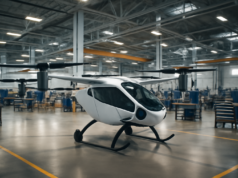
In a significant strategic move that reshapes the competitive landscape of urban air mobility, Archer Aviation has announced the acquisition of Boeing’s automated air taxi effort. This deal represents a major consolidation in the burgeoning eVTOL sector, combining Archer’s established aircraft development expertise with Boeing’s advanced automation and autonomous flight technologies. The acquisition underscores the accelerating pace of consolidation as companies race to establish dominance in the personal air mobility market before commercial operations launch in major metropolitan areas.
Archer Aviation’s Strategic Vision and Market Position
Archer Aviation, the Los Angeles-based electric vertical takeoff and landing (eVTOL) manufacturer, has positioned itself as one of the leading developers of commercial air taxi services. The company’s focus on building scalable, safe, and efficient aircraft for urban transportation has attracted significant investment and regulatory attention. With this acquisition, Archer gains access to Boeing’s vast engineering resources, manufacturing infrastructure, and decades of aerospace expertise—assets that will accelerate the development and certification of next-generation air taxi platforms.
The strategic rationale behind this move is clear: Archer needs the technical depth and manufacturing capabilities that a legacy aerospace company like Boeing brings to the table. Boeing’s work on automated air taxi systems represents years of research and development focused on autonomous flight operations, which are essential for the commercial viability of air taxi services. By integrating these technologies, Archer can develop more sophisticated autonomous capabilities while reducing development timelines and technical risk.
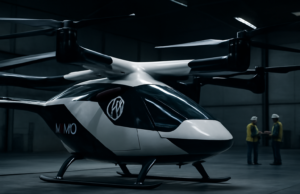
This acquisition also signals confidence in Archer’s business model and regulatory trajectory. The company has already secured conditional type certificates (CTCs) from the FAA for its Midnight aircraft and is positioned to begin commercial operations in select markets in the near term. Adding Boeing’s automation expertise makes Archer’s aircraft more competitive and enhances its ability to operate safely in congested urban airspace without constant pilot intervention.
Boeing’s Automated Air Taxi Technology and Its Value
Boeing has been investing in autonomous and semi-autonomous aviation technologies for years, recognizing the potential of urban air mobility as a growth market. The company’s automated air taxi effort was part of its broader strategy to diversify beyond commercial airline manufacturing and defense contracts. However, like many established aerospace companies, Boeing faced challenges in bringing innovative, capital-intensive aerospace ventures to market quickly enough to compete with nimble startups. The decision to divest this division to Archer reflects the strategic reality that partnerships and acquisitions are often more efficient than internal development for emerging mobility markets.
The specific technologies involved in this acquisition are expected to include Boeing’s work on flight management systems, autonomous navigation algorithms, and sensor integration platforms. These systems are critical for enabling air taxis to operate with reduced pilot workload or full autonomy, particularly in complex urban environments with dense air traffic. Boeing’s automation expertise has been honed through decades of work on commercial aircraft systems and represents a significant competitive advantage that will enhance Archer’s product roadmap.
Additionally, Boeing’s acquisition of autonomous flight capabilities provides Archer with intellectual property and patents that strengthen its competitive moat. The company can now defend its technology against competitors and build proprietary systems that are difficult for others to replicate. This intellectual property advantage is crucial in a market where multiple companies are racing to develop viable commercial air taxi platforms.
Industry Consolidation and Competitive Dynamics
The acquisition of Boeing’s air taxi effort by Archer is part of a broader trend of consolidation in the eVTOL industry. Over the past two years, we have witnessed numerous partnerships, mergers, and strategic investments as companies seek to pool resources, share expertise, and accelerate time-to-market. This consolidation reflects the reality that developing certified, commercially viable eVTOL aircraft requires enormous capital investment, regulatory expertise, and manufacturing capabilities that few companies possess independently.
Key competitors like Joby Aviation, Lilium, Vertical Aerospace, and others are also pursuing strategic partnerships and acquisitions to strengthen their market positions. The industry recognizes that success will likely go to the companies that can combine innovative aircraft design with mature manufacturing, robust supply chains, and advanced automation technologies. By acquiring Boeing’s effort, Archer positions itself as one of the few companies with access to both cutting-edge eVTOL design and legacy aerospace manufacturing and quality assurance capabilities.
This move also raises important questions about market consolidation and competition. As larger companies acquire smaller startups or divest specialized programs, the number of independent eVTOL competitors may decrease. However, the technical synergies created through these combinations should result in better, safer, and more efficient aircraft that reach commercial operations faster. The trade-off between competition and consolidation will shape the long-term structure of the urban air mobility industry.
Regulatory and Commercialization Implications
From a regulatory perspective, the acquisition strengthens Archer’s position as a serious contender for early commercial operations. The FAA and international aviation authorities are more likely to grant certifications and operating approvals to companies that demonstrate financial stability, technical competence, and manufacturing maturity. By combining Archer’s eVTOL expertise with Boeing’s aerospace pedigree, the merged entity presents a compelling case for regulatory approval and public confidence in air taxi safety and reliability.
The integration of Boeing’s automation technologies will also support faster certification by reducing the complexity of manual pilot operations and improving system redundancy and fault tolerance. Regulators want air taxis to operate safely with the same or higher standards as commercial aviation, and advanced automation and autonomous capabilities actually assist in achieving these stringent safety requirements. Archer can now develop certification packages that leverage Boeing’s proven design assurance and quality management processes, which are already familiar to FAA certification teams.
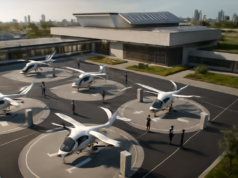
Commercially, this acquisition enables Archer to launch air taxi services with more advanced autonomous capabilities in the near term. The company’s target markets in Los Angeles and other major US cities will benefit from aircraft that can operate more efficiently and safely. Passengers will experience smoother, more reliable operations, and Archer will achieve better unit economics through reduced pilot workload and optimized flight paths enabled by sophisticated navigation and automation systems.
Future Technology Integration and Product Development
The integration of Boeing’s automated air taxi technology into Archer’s product roadmap opens exciting possibilities for next-generation aircraft development. Archer can now pursue more ambitious designs that incorporate full autonomous flight capabilities, advanced sensor fusion, and artificial intelligence-driven decision-making systems. These capabilities will be essential for scaling air taxi services from initial operations in select markets to widespread deployment across multiple metropolitan areas worldwide.
The merger of Archer’s agile development culture with Boeing’s rigorous engineering and quality standards creates a powerful combination for accelerating innovation while maintaining the safety and reliability that aviation regulators and passengers demand. Archer engineers can leverage Boeing’s expertise in systems integration, certification support, and manufacturing process development, while Boeing benefits from Archer’s entrepreneurial approach to design and its focus on urban air mobility-specific requirements.
Looking ahead, we can expect Archer to announce enhanced specifications for its aircraft, accelerated development timelines for autonomous capabilities, and expanded geographic plans for commercial deployment. The company’s acquisition of Boeing’s air taxi effort positions it to potentially become the market leader in urban air mobility, capable of scaling operations globally while maintaining the technical and safety standards required by regulators and customers.
Key Takeaways
- Archer Aviation gains Boeing’s advanced automation and autonomous flight technologies, accelerating development of safer, more efficient air taxis
- The acquisition strengthens Archer’s competitive position and manufacturing capabilities while demonstrating financial confidence to regulators
- Industry consolidation continues as companies combine specialized expertise to meet FAA certification standards and launch commercial operations
The acquisition of Boeing’s automated air taxi effort by Archer Aviation marks a pivotal moment in the evolution of urban air mobility. As the industry matures and moves closer to widespread commercial operations, strategic combinations of innovative startups and established aerospace companies create the conditions for success. Archer’s enhanced capabilities position it well for early market leadership, while the broader industry benefits from accelerated technology advancement and the blending of startup agility with aerospace rigor. In the coming months, all eyes will be on how quickly Archer integrates these technologies and launches expanded commercial operations in its target markets.