HIGHLIGHTS
- Joby and Archer both plan to launch commercial passenger eVTOL operations by 2027, marking a major acceleration in the race to achieve urban air mobility at scale
- Regulatory certification from FAA and EASA is progressing alongside aircraft development, with both companies actively securing type approvals for passenger-carrying operations
- Successful 2027 launches would validate eVTOL technology, generate real-world performance data, and unlock significant investment in vertiport infrastructure and metropolitan air taxi networks
The competitive landscape of electric vertical takeoff and landing (eVTOL) aircraft is intensifying as two industry frontrunners—Joby Aviation and Archer Aviation—push aggressively toward commercial passenger flight operations in 2027. This ambitious timeline marks a significant acceleration in the race to deliver urban air mobility solutions to real-world markets, signaling that the long-promised future of air taxis may finally be within reach.
Joby Aviation’s Path to Commercial Operations
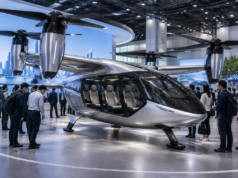
Joby Aviation, one of the most well-funded eVTOL companies globally, has consistently positioned itself as a leader in bringing electric aircraft to commercial service. The company’s five-passenger, all-electric aircraft represents years of engineering refinement and regulatory engagement. Joby’s strategy focuses on establishing partnerships with established aviation operators and securing the necessary certifications to enable safe, reliable passenger transport.
The push toward 2027 reflects Joby’s confidence in its vehicle design, battery technology, and operational infrastructure. The company has been conducting extensive flight testing and working closely with aviation authorities to establish certification pathways that will allow it to transition from development to revenue-generating flights. This aggressive timeline also demonstrates Joby’s commitment to capturing first-mover advantage in the nascent commercial eVTOL market.
Beyond aircraft development, Joby is investing heavily in vertiport infrastructure and ground support systems necessary for safe passenger operations. These facilities will serve as hubs for launching flights, charging aircraft, and managing passenger flow—all critical elements of a functional urban air mobility ecosystem.
Archer Aviation’s Competitive Push
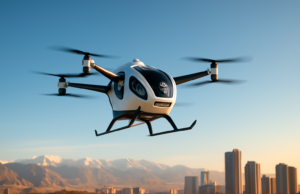
Archer Aviation has emerged as another serious contender in the eVTOL race, with its own four-passenger aircraft design nearing advanced development stages. The company’s approach emphasizes rapid iteration, efficient design, and a clear commercialization roadmap that culminates in 2027 passenger operations. Archer’s competitive positioning hinges on delivering aircraft that meet regulatory requirements while maintaining operational efficiency.
Archer’s timeline suggests the company has resolved key technical challenges related to battery performance, electric motor reliability, and structural integrity. The company’s recent funding rounds and strategic partnerships indicate confidence from investors and industry stakeholders that Archer’s path to commercialization is viable and well-founded. This validation is critical in an industry where execution risk remains high.
The company’s focus on lightweight materials, advanced aerodynamics, and propulsion system optimization reflects the engineering discipline required to make electric vertical takeoff practical at scale. Archer’s competitive challenge to Joby amplifies industry momentum and raises the stakes for all participants seeking to establish operational networks by the late 2020s.
Regulatory Milestones and Safety Certification
Achieving commercial operations by 2027 requires navigating complex regulatory frameworks established by aviation authorities worldwide. Both Joby and Archer are actively engaged with organizations such as the FAA (Federal Aviation Administration) and EASA (European Union Aviation Safety Agency) to secure type certification for their aircraft. These certifications are non-negotiable prerequisites for carrying paying passengers.
Regulatory bodies are developing new certification standards specifically designed for eVTOL aircraft, since traditional fixed-wing and helicopter regulations don’t perfectly fit this new category. This process, while necessary for safety and public confidence, can be lengthy and demanding. The fact that Joby and Archer are targeting 2027 suggests they believe regulatory approval timelines are aligning favorably with their development schedules.
Beyond aircraft certification, operators must also secure approval for vertiport operations, pilot training programs, and emergency procedures. These supporting certifications are equally critical to launching commercial services. The simultaneous advancement of multiple regulatory pathways by both companies indicates industry-wide momentum that may be creating economies of scale and shared regulatory clarity.
Urban Air Mobility Market Implications
A successful 2027 launch by either Joby or Archer—or ideally both—would represent a watershed moment for the eVTOL industry. Commercial passenger operations would validate years of technological development, regulatory engagement, and financial investment. These flights would also provide real-world performance data crucial for refining operational procedures and building consumer confidence in electric vertical takeoff technology.
The market opportunity for urban air mobility is substantial. Initial services are expected to target premium customers willing to pay premium prices for time-saving point-to-point transport in congested metropolitan areas. Cities like Los Angeles, New York, and potential international markets present compelling use cases where air taxis could reduce travel times and ease ground transportation congestion.
The race between Joby and Archer exemplifies the competitive dynamics now characterizing the eVTOL sector. Multiple companies advancing simultaneously increases the probability that at least one will achieve commercial success by 2027, which would catalyze rapid industry scaling and attract additional investment, talent, and partnerships.
Key Takeaways on eVTOL Commercialization
- Joby and Archer both targeting 2027 for commercial passenger operations, representing significant acceleration in eVTOL market timelines
- Regulatory certification pathways are progressing in parallel with aircraft development, suggesting coordinated progress toward commercialization
- Successful 2027 launches would validate eVTOL technology and catalyze rapid scaling of urban air mobility networks across major metropolitan areas
The convergence of Joby and Archer on a 2027 commercial launch timeline reflects genuine technical progress and regulatory momentum that may finally transform electric vertical takeoff from a long-anticipated future into present-day reality. As these companies advance toward their ambitious goals, the broader aviation and urban transportation industries are watching closely, recognizing that commercial eVTOL operations could reshape urban mobility for decades to come.