HIGHLIGHTS
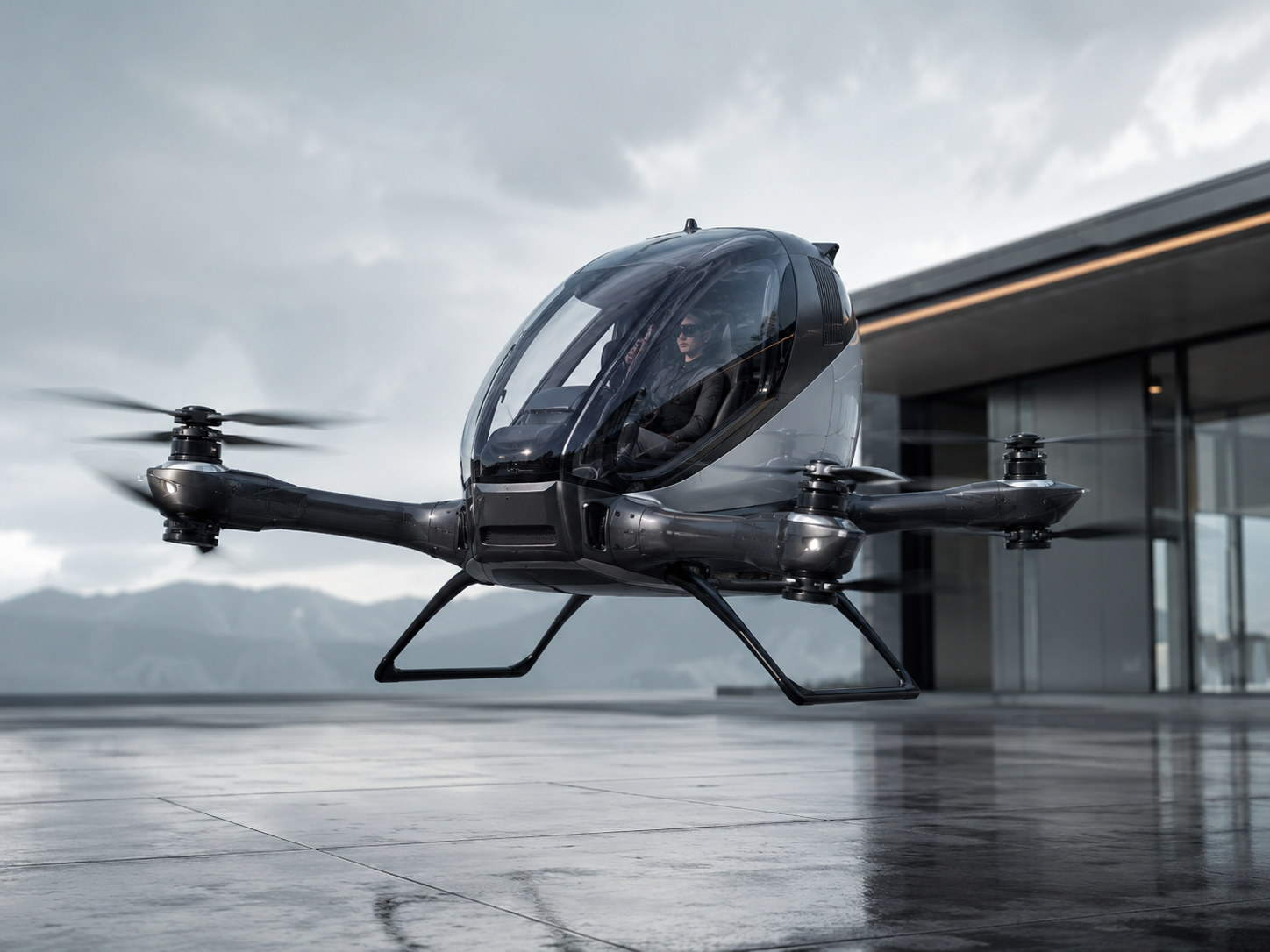
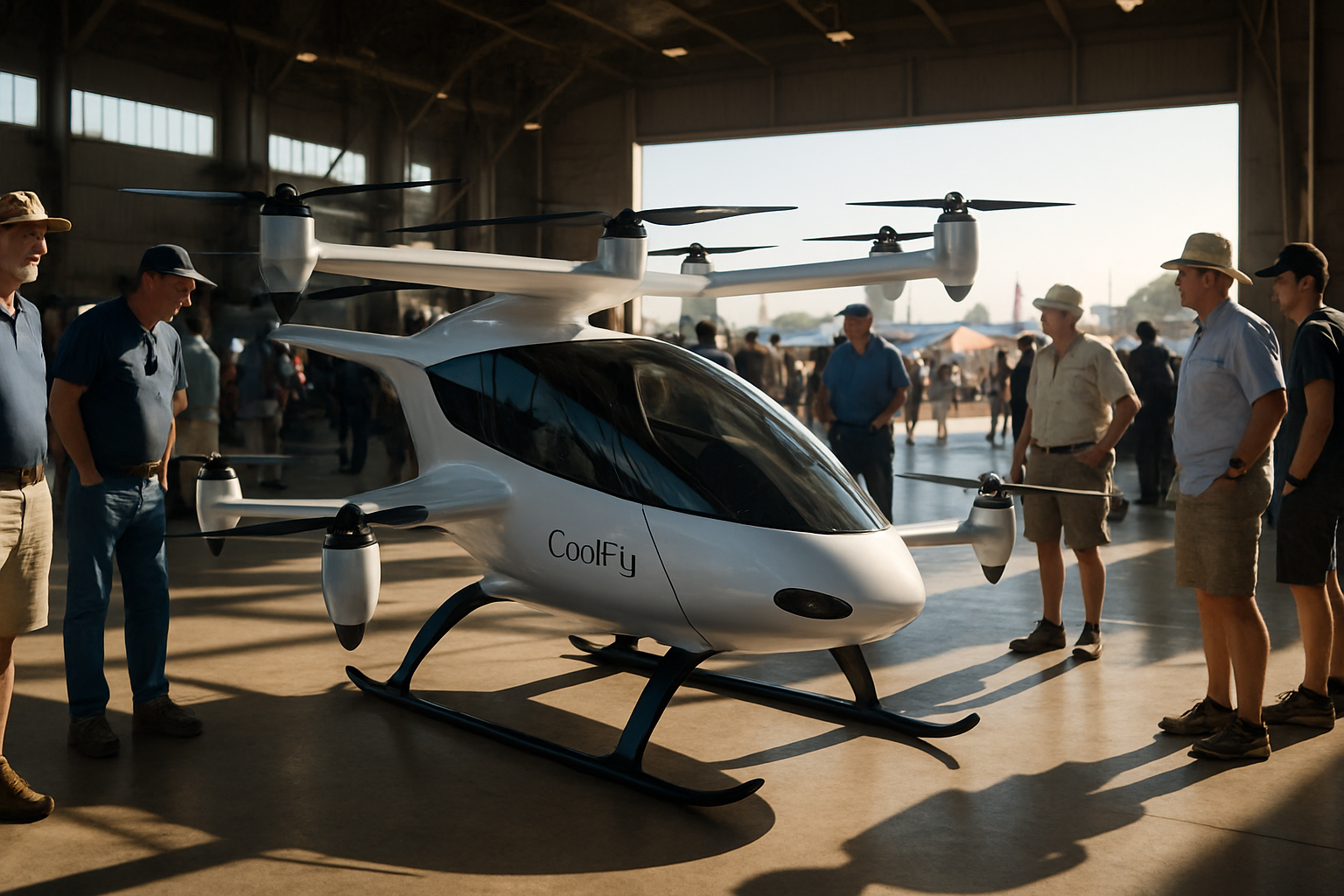
- CoolFly’s electric personal aircraft makes its public debut at EAA AirVenture Oshkosh 2026, one of the world’s largest aviation events.
- The aircraft represents a breakthrough in democratizing electric aviation for general aviation pilots seeking sustainable alternatives.
- CoolFly’s platform aims to make personal aviation more accessible, affordable, and environmentally responsible for the broader pilot community.
The general aviation landscape is shifting dramatically as CoolFly unveiled its innovative electric personal aircraft at the prestigious EAA AirVenture Oshkosh 2026 event in July. This showcase marks a significant milestone in the evolution of personal air mobility, bringing zero-emission flight capabilities to independent pilots and aviation enthusiasts. The appearance at EAA AirVenture—one of the world’s largest and most influential aviation gatherings—signals that electric personal aircraft technology has matured beyond laboratory prototypes into production-ready solutions for the everyday pilot.
CoolFly’s Vision for Electric Personal Aviation
CoolFly has positioned itself at the forefront of the electric aircraft revolution by focusing on the practical needs of general aviation pilots. The company’s approach emphasizes accessibility and affordability, recognizing that sustainable aviation must be economically viable for individuals and small operators, not just large commercial entities. By choosing to debut their aircraft at EAA AirVenture—a venue that attracts over 600,000 aviation professionals, enthusiasts, and industry leaders annually—CoolFly demonstrated confidence in both their technology and its market readiness.
The electric personal aircraft category represents one of the fastest-growing segments in aviation innovation. Unlike experimental prototypes displayed in controlled environments, CoolFly’s presence at EAA AirVenture indicates their product has reached a stage where it can withstand scrutiny from aviation experts, regulatory specialists, and potential customers. This transparency builds crucial credibility within the aviation community and signals to other manufacturers and regulators that electric personal aviation is transitioning from theoretical to operational.
CoolFly’s strategic positioning within the electric aviation market reflects broader industry trends toward democratization and sustainability. Rather than targeting only wealthy early adopters or specialized operators, the company appears committed to creating pathways for average pilots to transition to electric-powered flight. This approach mirrors successful transitions in other industries, where technological breakthroughs become truly transformative only when they become accessible to mainstream users.
The EAA AirVenture Platform and Its Significance
EAA AirVenture Oshkosh has served as the primary venue for introducing groundbreaking aviation technologies for decades. Each year, the event hosts aircraft ranging from experimental homebuilts to cutting-edge manufacturer innovations, providing an unfiltered platform where aviation communities can evaluate emerging technologies. For CoolFly to choose this venue for their electric aircraft debut demonstrates strategic understanding of how perception and industry validation occur within aviation markets.
The event attracts diverse stakeholders critical to electric aircraft adoption: pilots actively seeking alternatives, aviation schools considering fleet modernization, regulators monitoring technology maturity, and investors evaluating market opportunities. This concentrated audience of decision-makers makes EAA AirVenture the ideal showcase for technologies positioned to transform aviation. CoolFly’s appearance signals that they have products ready for evaluation by this demanding and knowledgeable audience.
Beyond serving as a trade show, EAA AirVenture functions as a proving ground where technologies earn their credibility through direct engagement with the aviation community. Media coverage of the event reaches global aviation audiences, amplifying the visibility of significant innovations. CoolFly’s inclusion in this showcase ensures their electric personal aircraft receives attention from aviation journalists, industry analysts, and prospective customers worldwide—crucial exposure for establishing market presence in a competitive emerging industry.
Electric Personal Aircraft Technology Maturation
CoolFly’s public debut represents a notable inflection point in electric aircraft development. The company’s ability to bring a fully-conceived electric personal aircraft to EAA AirVenture indicates that key technical challenges—battery density, motor efficiency, thermal management, and safety systems—have reached viable solutions. These aren’t necessarily final-form solutions, but they are sufficient to enable meaningful products that pilots can realistically operate under established aviation regulations.
The electric propulsion systems powering next-generation aircraft have evolved substantially over the past five years. Improvements in battery chemistry, power electronics, and motor technology have collectively enhanced energy density while reducing weight penalties that previously made electric flight impractical. CoolFly’s aircraft design likely incorporates many of these advances, enabling flight performance acceptable to the general aviation pilot community. The company’s willingness to subject their aircraft to public examination suggests confidence that their engineering solutions are competitive with both conventional alternatives and competing electric platforms.
Safety considerations remain paramount in aviation, and CoolFly’s appearance at EAA AirVenture likely includes detailed safety documentation, testing results, and regulatory compliance information. Electric propulsion actually offers certain safety advantages over traditional powerplants—instantaneous power response, simplified mechanical systems, and reduced fire risk—which the company can highlight to address inevitable regulatory and customer concerns. Demonstrating these safety benefits within the credible environment of EAA AirVenture builds confidence that electric personal aircraft can meet or exceed current aviation safety standards.
Market Implications and Industry Impact
CoolFly’s EAA AirVenture debut carries significant implications for the broader personal air mobility industry. Successfully introducing an electric personal aircraft to such a prominent venue validates the commercial viability of this aircraft category and encourages other manufacturers to accelerate their development timelines. The event creates network effects that strengthen the entire ecosystem—more aircraft attract more pilots, which attracts more support services, infrastructure development, and regulatory refinement.
The general aviation market has historically been conservative regarding technology adoption, favoring proven, reliable systems over newer alternatives. CoolFly’s strategy of engaging directly with the aviation community through EAA AirVenture rather than relying solely on marketing campaigns demonstrates respect for this cultural reality. By allowing pilots, mechanics, and aviation professionals to see, touch, and evaluate their aircraft firsthand, CoolFly builds the trust necessary for genuine market adoption. This approach contrasts sharply with manufacturers that attempt to generate demand primarily through media and investor relations.
CoolFly’s appearance also signals to regulators that electric personal aircraft manufacturers are preparing for certification. Organizations like the FAA and EASA will observe CoolFly’s technology maturity, customer reception, and operational plans to inform their regulatory frameworks for this emerging aircraft category. Early involvement in the certification process—even indirectly through events like EAA AirVenture—helps manufacturers and regulators align on standards, timelines, and practical requirements, ultimately accelerating the transition to certified electric personal aircraft.
Challenges and Path Forward
Despite the promising developments showcased by CoolFly’s EAA AirVenture debut, significant challenges remain before electric personal aircraft achieve mainstream adoption. Battery technology, while improving steadily, still faces limitations in energy density and charging infrastructure. Range anxiety—the concern that an aircraft cannot reach its intended destination on a single charge—persists as a practical barrier for many potential users. CoolFly’s aircraft specifications, including range, endurance, and charging times, will ultimately determine whether the aircraft meets real-world pilot needs or remains confined to niche applications.
Infrastructure development represents another critical challenge. Electric aircraft require charging stations at airports, standardized equipment, and trained technicians capable of supporting these systems. Currently, most general aviation airports lack the electrical infrastructure to support rapid charging of multiple aircraft. CoolFly’s market success depends not only on their aircraft technology but also on the broader aviation ecosystem’s ability to build supporting infrastructure. The company likely recognizes this interdependency and may be working with airport operators and infrastructure providers to develop charging solutions alongside aircraft deployment.
Regulatory certification pathways remain under development in most jurisdictions. While electric aircraft may eventually follow conventional certification processes, the relative novelty of electric propulsion systems requires regulators to develop specific testing protocols, safety standards, and operational guidelines. CoolFly’s engagement with the aviation community through EAA AirVenture helps establish the data and operational experience that regulators require to develop informed certification standards. The company’s transparency about their technology and approach facilitates this regulatory dialogue, potentially accelerating certification timelines.
Key Takeaways for the Industry
- Electric personal aircraft technology has achieved sufficient maturity to transition from prototype testing to public demonstration and market preparation.
- Direct engagement with the aviation community through established venues like EAA AirVenture builds industry credibility and regulatory confidence faster than media-focused marketing strategies.
- The success of CoolFly and similar manufacturers depends not only on aircraft technology but also on broader ecosystem development, including airport infrastructure, pilot training, and regulatory frameworks.
CoolFly’s unveiling of their electric personal aircraft at EAA AirVenture Oshkosh 2026 represents a watershed moment for personal air mobility. The company’s decision to showcase their technology at this prestigious venue signals confidence in their product maturity and demonstrates commitment to building sustainable partnerships within the aviation community. As electric personal aircraft transition from research projects to production-ready alternatives, manufacturers like CoolFly are establishing the credibility, infrastructure, and industry relationships necessary for meaningful market adoption. The aviation industry is witnessing the early stages of a fundamental transition toward sustainable, accessible personal flight—and CoolFly’s EAA AirVenture debut marks an important milestone in that journey.