HIGHLIGHTS
- DoorDash is actively developing autonomous drone delivery capabilities to expand its logistics network beyond traditional ground-based courier services.
- Drone delivery integration addresses last-mile delivery challenges while reducing delivery times and operational costs for the e-commerce platform.
- This initiative positions DoorDash at the forefront of personal air mobility adoption, paving the way for mainstream autonomous aerial delivery in urban and suburban markets.
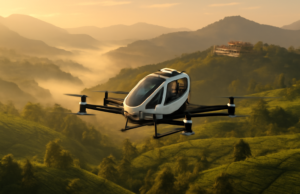
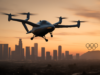
DoorDash, one of the world’s leading food delivery platforms, is setting its sights on the skies. The company has announced ambitious plans to integrate autonomous drone delivery into its service ecosystem, marking a significant shift in how food orders will reach hungry customers. As the personal air mobility (PAM) industry accelerates toward mainstream adoption, DoorDash’s commitment to drone delivery represents a pivotal moment for both the delivery sector and aviation technology.
The Evolution of Last-Mile Delivery
Last-mile delivery has long been the most expensive and time-consuming segment of the logistics chain. Traditional ground-based couriers must navigate traffic, weather, and congestion, often adding hours to delivery times. DoorDash’s pivot toward drone delivery directly addresses these inefficiencies by eliminating road-based constraints and dramatically reducing delivery windows from 30-45 minutes to potentially 10-15 minutes for eligible orders.
The economics of drone delivery are compelling. Autonomous aerial vehicles require significantly lower operational costs per delivery compared to human couriers, particularly as battery technology advances and regulatory frameworks mature. By deploying a fleet of EV drones, DoorDash can maintain its competitive edge while improving profit margins and customer satisfaction simultaneously.
This strategic pivot also reflects broader industry trends. Major logistics companies including Amazon, UPS, and Walmart have all invested heavily in drone delivery infrastructure. DoorDash’s entry into this space demonstrates that food delivery platforms cannot afford to ignore aerial logistics if they want to remain competitive in the next decade.
Technology and Vehicle Integration
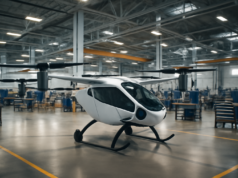
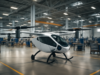
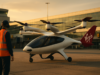
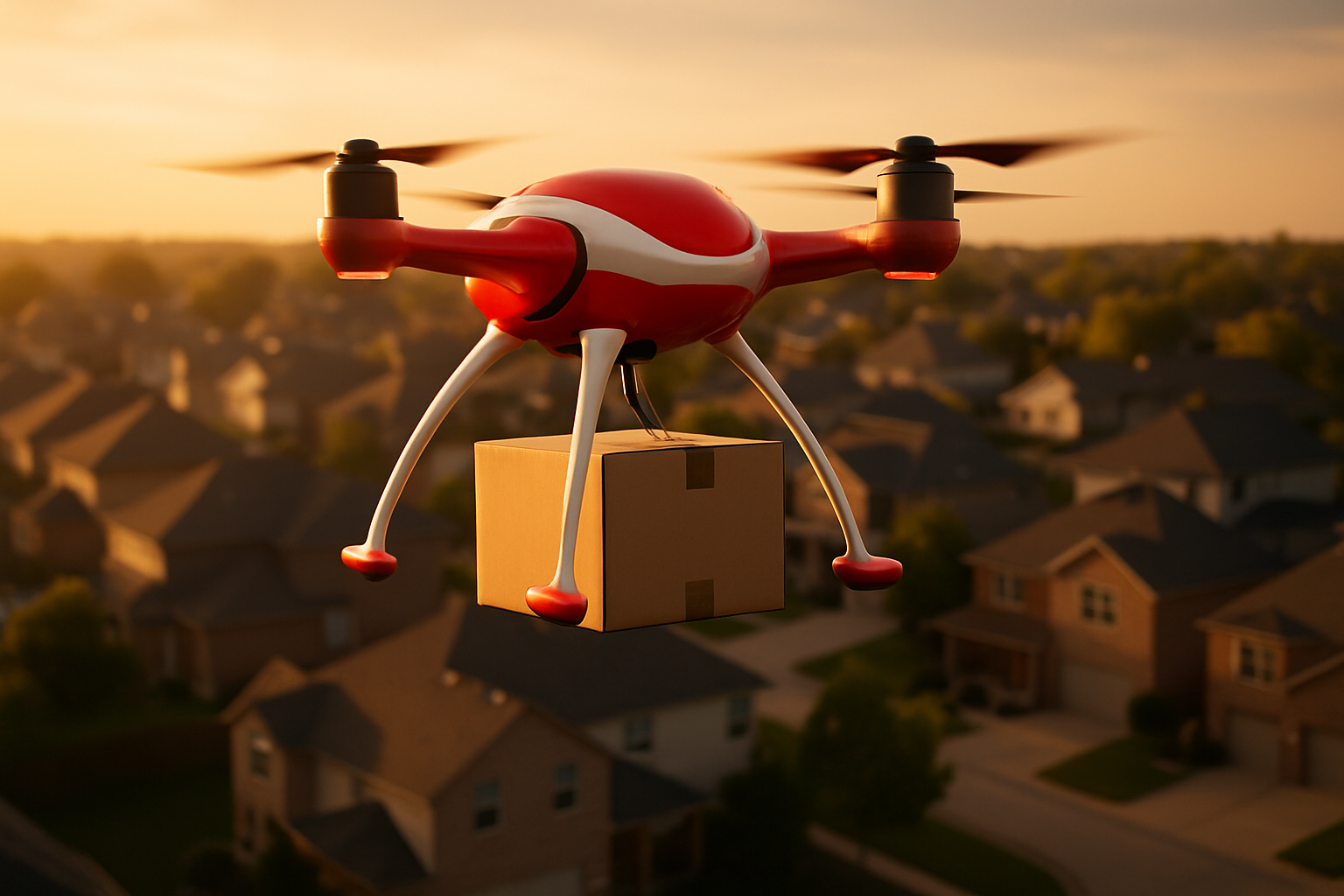
DoorDash’s drone delivery infrastructure will rely on purpose-built electric vertical takeoff and landing (eVTOL) aircraft designed specifically for package delivery. These vehicles combine the efficiency of electric powertrains with the operational flexibility of autonomous flight, enabling deployment across diverse geographic and weather conditions.
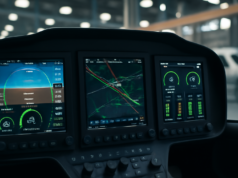
The platform’s delivery drones will utilize advanced computer vision, LiDAR, and GPS systems to navigate urban airspace safely and autonomously. Real-time weather monitoring, obstacle detection, and collision avoidance systems ensure reliable operations even in complex environments. Integration with DoorDash’s existing mobile app and backend systems creates a seamless user experience—customers will simply select eligible drone delivery options at checkout.
Payload capacity presents another critical consideration. Modern delivery drones are engineered to carry food packages weighing 2-3 pounds, which encompasses the majority of DoorDash orders. Thermal insulation technology keeps food at proper temperatures during flight, while secure locking mechanisms prevent tampering or spillage, addressing food safety and quality concerns.
Regulatory Landscape and Market Deployment
DoorDash’s drone delivery ambitions must navigate a complex regulatory environment. The Federal Aviation Administration (FAA) has established Part 107 rules governing small unmanned aircraft systems, with ongoing efforts to create frameworks for autonomous Beyond Visual Line of Sight (BVLOS) operations. DoorDash will need to obtain special waivers and certificates of authorization for commercial drone delivery in specific geographic zones.
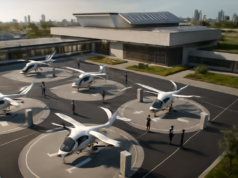
Initial deployments will likely target suburban and semi-urban areas with favorable regulatory conditions and dense customer concentrations. These regions offer the ideal balance of operational efficiency and regulatory feasibility. As FAA rules evolve and drone technology demonstrates safety records, DoorDash can expand to additional markets, eventually reaching urban cores with high delivery demand.
Public acceptance plays an equally important role in market success. DoorDash must carefully manage drone operations to minimize noise concerns, privacy issues, and airspace congestion. Community outreach and transparent communication about safety records will be essential for building social license to operate in residential neighborhoods.
Business Model and Customer Impact
DoorDash’s drone delivery service will likely command premium pricing comparable to or slightly below expedited ground delivery. The faster delivery times and reduced delivery fees create value for time-sensitive customers willing to pay extra. The company can implement dynamic pricing algorithms that activate drone delivery based on customer location, time of day, weather conditions, and current fleet availability.
For restaurants and merchants on the DoorDash platform, drone delivery opens new market opportunities. Restaurants previously unable to serve distant customers due to delivery time constraints can now expand their geographic reach. This expanded serviceable market drives increased order volume and revenue for restaurant partners, creating a positive network effect throughout the ecosystem.
The consumer experience will evolve as drone delivery becomes normalized. Customers will receive real-time flight tracking, precise arrival windows measured in minutes rather than hours, and the satisfaction of innovative technology simplifying their daily lives. Over time, drone delivery may become the default option for eligible orders, fundamentally transforming expectations around food delivery speed and convenience.
Key Implementation Considerations
- Weather resilience and operational reliability during rain, wind, and adverse conditions
- Airspace coordination with manned aircraft, commercial drone operations, and other autonomous systems
- Battery technology advancements enabling longer flight ranges and faster recharge cycles
- Data security and customer privacy protections for real-time flight tracking systems
- Insurance and liability frameworks for autonomous delivery operations
DoorDash’s commitment to drone delivery signals a fundamental shift in the personal air mobility industry. By deploying EV drones at massive scale across densely populated markets, the company will accelerate technological maturation, reduce operational costs for the entire ecosystem, and normalize aerial delivery in the public consciousness. Within the next 3-5 years, drone delivery could represent 15-20% of DoorDash’s order volume in major metropolitan areas, fundamentally reshaping urban logistics and redefining customer expectations for delivery speed and convenience. The era of aerial food delivery has begun.