HIGHLIGHTS
- Viral drone safari video reveals critical gaps in wildlife protection regulations and raises safety concerns for commercial aerial tourism operations.
- ICAO and national aviation authorities are accelerating regulatory reviews to establish minimum distances from wildlife and stricter pilot certification requirements.
- AI-powered wildlife detection systems and geofencing are emerging as critical technologies, but regulations and operator training are equally essential for responsible drone tourism expansion.
A disturbing video released on August 5, 2026, has captured the internet’s attention and ignited serious conversations about the intersection of drone technology, wildlife safety, and modern tourism. The footage, which shows a drone-led safari experience gone wrong, raises critical questions about how autonomous aircraft operate near animals and what safeguards must be in place as personal air mobility expands into new sectors.
The Incident: What the Viral Video Reveals
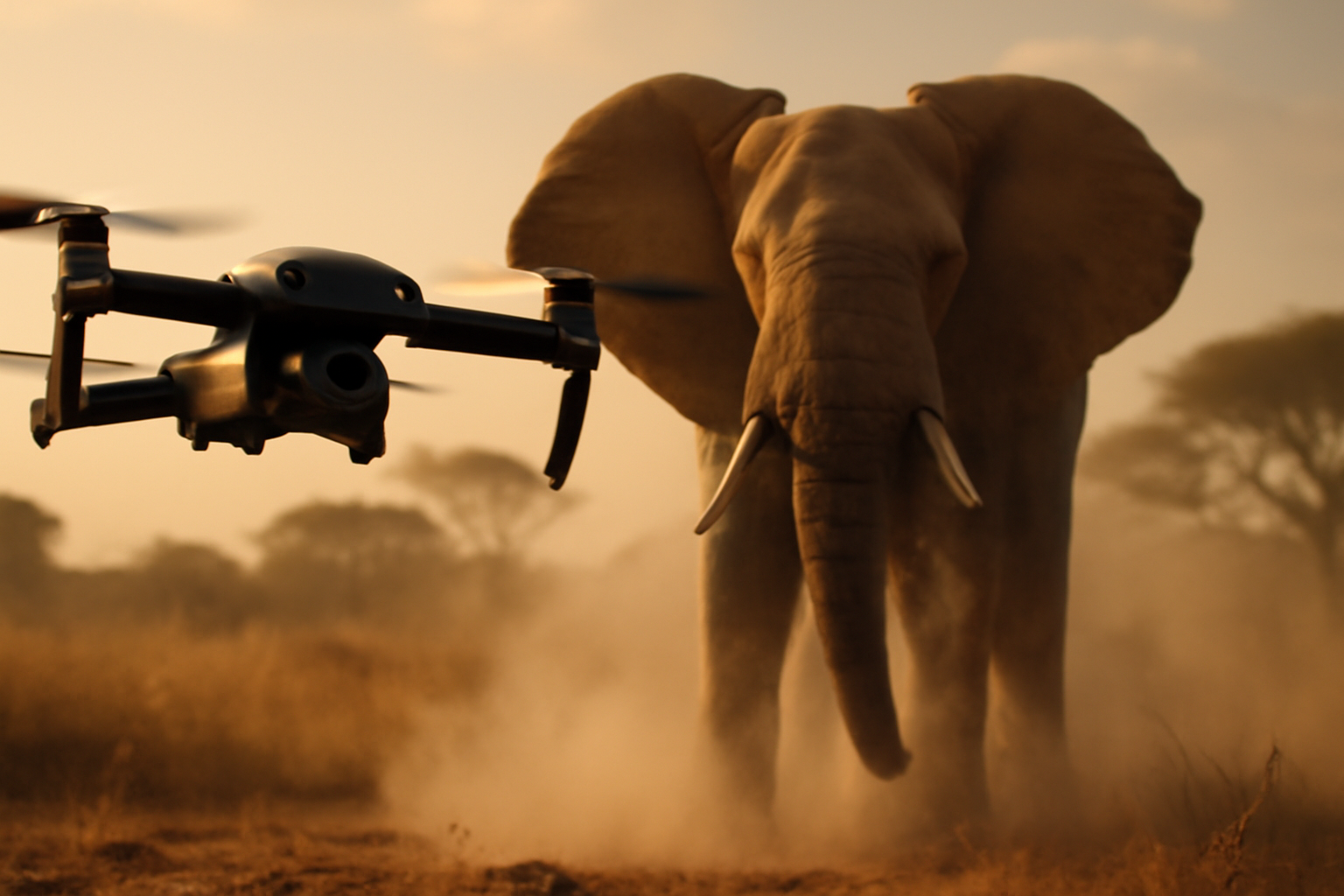
The video, initially reported by Modern Ghana, depicts a drone safari tour where an autonomous quadcopter came dangerously close to wildlife, creating a scenario that wildlife experts describe as reckless and potentially harmful. The incident occurred during what appeared to be a commercial drone tourism operation, where operators use aerial vehicles to capture premium safari footage for tourists and content creators.
The footage shows the drone approaching animals at distances that violate established wildlife protection protocols. Experts note that drones operating at such proximity can startle animals, disrupt breeding patterns, and create stress responses that have long-term health implications for wildlife populations. The video’s rapid spread across social media demonstrates public concern about how emerging technologies interact with nature.
What makes this incident particularly newsworthy is that it occurred during what the operators claimed was a controlled, professional operation. This raises uncomfortable questions about industry standards, pilot training, and the regulatory framework governing drone use in wildlife areas and protected zones.
Safety Regulations: The Current Gap
The drone safari attack video has exposed significant gaps in global regulations governing autonomous aircraft near wildlife. While many countries have established altitude restrictions and no-fly zones over urban areas, regulations specifically addressing wildlife protection remain inconsistent and often poorly enforced. This regulatory vacuum has allowed operators to push boundaries in pursuit of dramatic footage and premium experiences.
Aviation authorities in multiple countries are now under pressure to implement stricter guidelines. These would likely include mandatory minimum distances from wildlife, restricted flight corridors in national parks and reserves, and enhanced pilot certification requirements. Some jurisdictions have already begun drafting emergency protocols, recognizing that the growth of commercial drone services necessitates proactive regulation rather than reactive responses to incidents.
Industry organizations are also stepping up, with several drone manufacturers announcing wildlife detection systems that use AI to identify animals and automatically maintain safe distances. However, critics argue that technology alone cannot replace comprehensive regulatory frameworks and that the burden of safety must fall on operators and regulators, not solely on manufacturers.
The Broader Implications for Drone Tourism
Drone-based safari and tourism experiences represent a multibillion-dollar emerging market within the personal air mobility sector. The technology promises unprecedented access to remote locations and wildlife viewing opportunities without the environmental footprint of traditional tourism infrastructure. However, the viral video has forced stakeholders to confront uncomfortable truths about whether this promise can be responsibly delivered.
Conservation organizations have responded swiftly, calling for a moratorium on commercial drone operations in sensitive wildlife areas until proper protocols are established. They argue that even well-intentioned operators lack sufficient understanding of animal behavior and stress responses to conduct these activities safely. Some environmental groups are pushing for legislative action that would classify unauthorized drone flights near wildlife as violations of animal welfare and conservation laws.
Tourism operators, meanwhile, are split. Forward-thinking companies are investing in safety infrastructure and wildlife training for pilots. Others continue to resist additional regulations, arguing that responsible innovation should not be stifled by one incident. This tension between innovation and protection will likely define the drone tourism sector over the next several years.
Lessons for the Personal Air Mobility Industry
The safari drone incident serves as a cautionary tale for the entire personal air mobility ecosystem. As autonomous aircraft become more prevalent and their applications expand beyond traditional aviation use cases, the industry must grapple with how to operate responsibly in environments where humans have not previously had aerial access. This includes wildlife areas, private property, and sensitive cultural sites.
The incident has prompted major drone manufacturers to reconsider their marketing strategies and operational guidelines. Companies like DJI, Auterion, and others are now emphasizing safety features and responsible use policies in their product literature. Some have voluntarily implemented geofencing around protected areas and are developing wildlife detection systems as standard equipment rather than optional upgrades.
For emerging eVTOL operators planning to expand into tourism and adventure markets, the safari drone video offers an important lesson: technology adoption must be paired with robust ethical frameworks. Operators cannot assume that because they have access to advanced tools, they have the right or responsibility to use them everywhere. This mindset shift is essential for the long-term sustainability and public acceptance of personal air mobility.
What’s Next: Regulatory Response and Industry Standards
In the wake of this incident, multiple regulatory bodies are expediting their review of drone-related policies. The International Civil Aviation Organization (ICAO) is expected to issue revised guidelines on wildlife protection within months, and individual nations are likely to implement even stricter local rules. These regulations will probably include GPS-based no-fly zones around protected areas, mandatory operator licensing for commercial drone tourism, and penalties for violations.
Technology solutions are also advancing rapidly. New AI-powered systems can identify animal species and behavioral patterns in real time, alerting pilots when drones are approaching wildlife and suggesting safe distances. However, the effectiveness of these systems depends on their adoption and proper use by operators—a challenge that regulations alone cannot solve.
The incident has also sparked discussions about insurance and liability. As commercial drone operations expand, insurance companies are tightening their policies and requiring operators to demonstrate compliance with wildlife protection standards. This creates financial incentives for operators to adopt safer practices, even in jurisdictions where regulations remain loose.
Key Takeaways from the Incident
- Inadequate regulations for drone operations near wildlife have created safety and ethical concerns in emerging tourism sectors
- Industry-wide standards for AI-based wildlife detection and mandatory pilot training are becoming essential for responsible expansion
- Regulatory bodies are accelerating policy reviews, with ICAO and national authorities expected to issue stricter guidelines within months
The chilling video of the drone safari attack represents a watershed moment for the personal air mobility industry. As these technologies become increasingly sophisticated and integrated into new sectors, stakeholders—manufacturers, operators, regulators, and consumers—must collectively establish ethical boundaries and safety standards. The question is no longer whether drones will operate in wildlife areas, but rather how they can do so responsibly. The answer to that question will significantly shape the future of aerial tourism and the broader personal air mobility market.