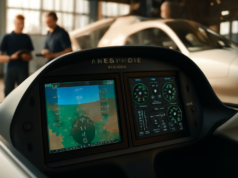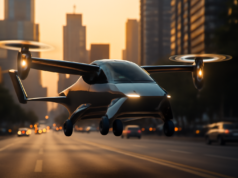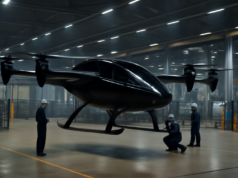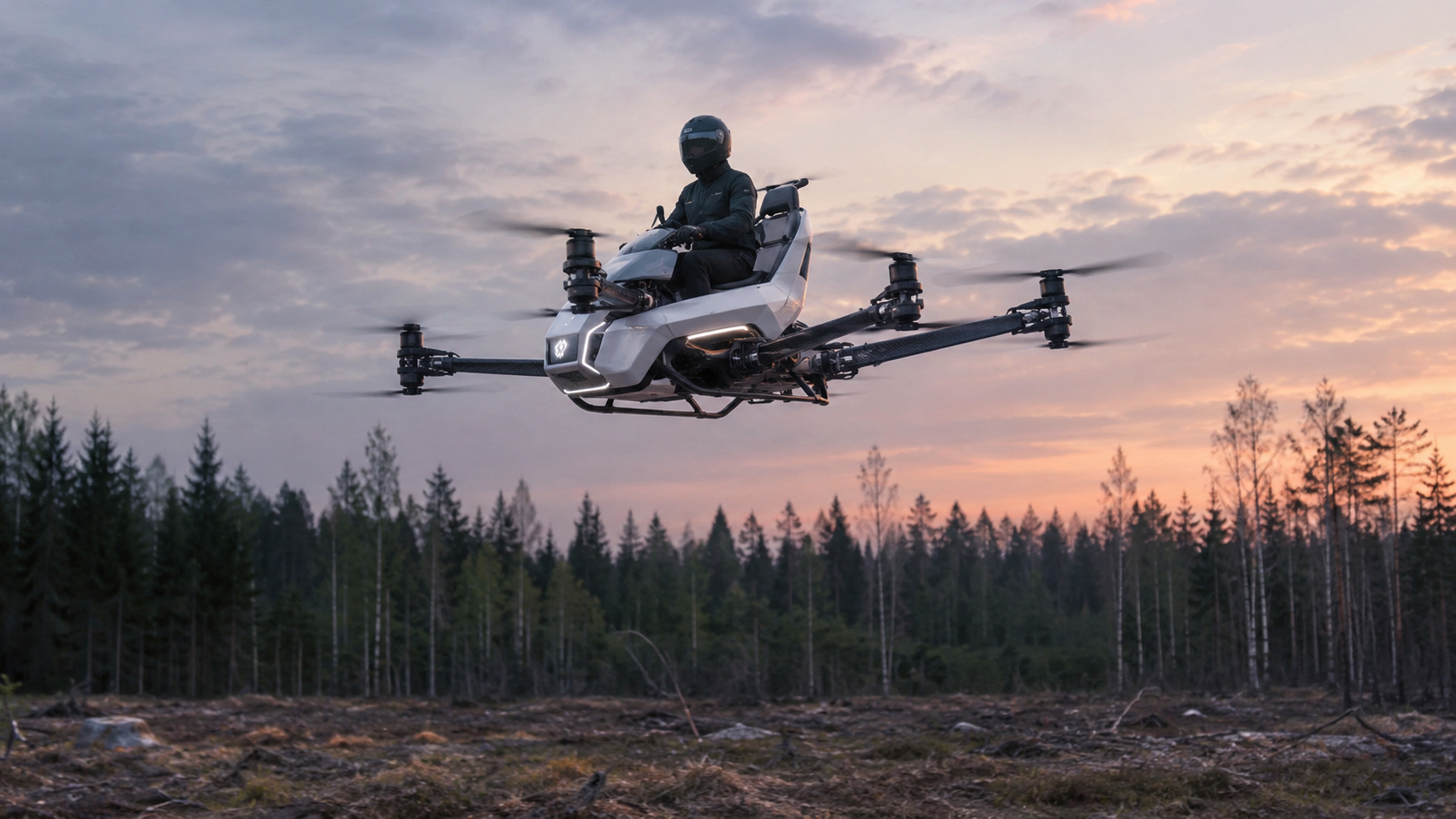
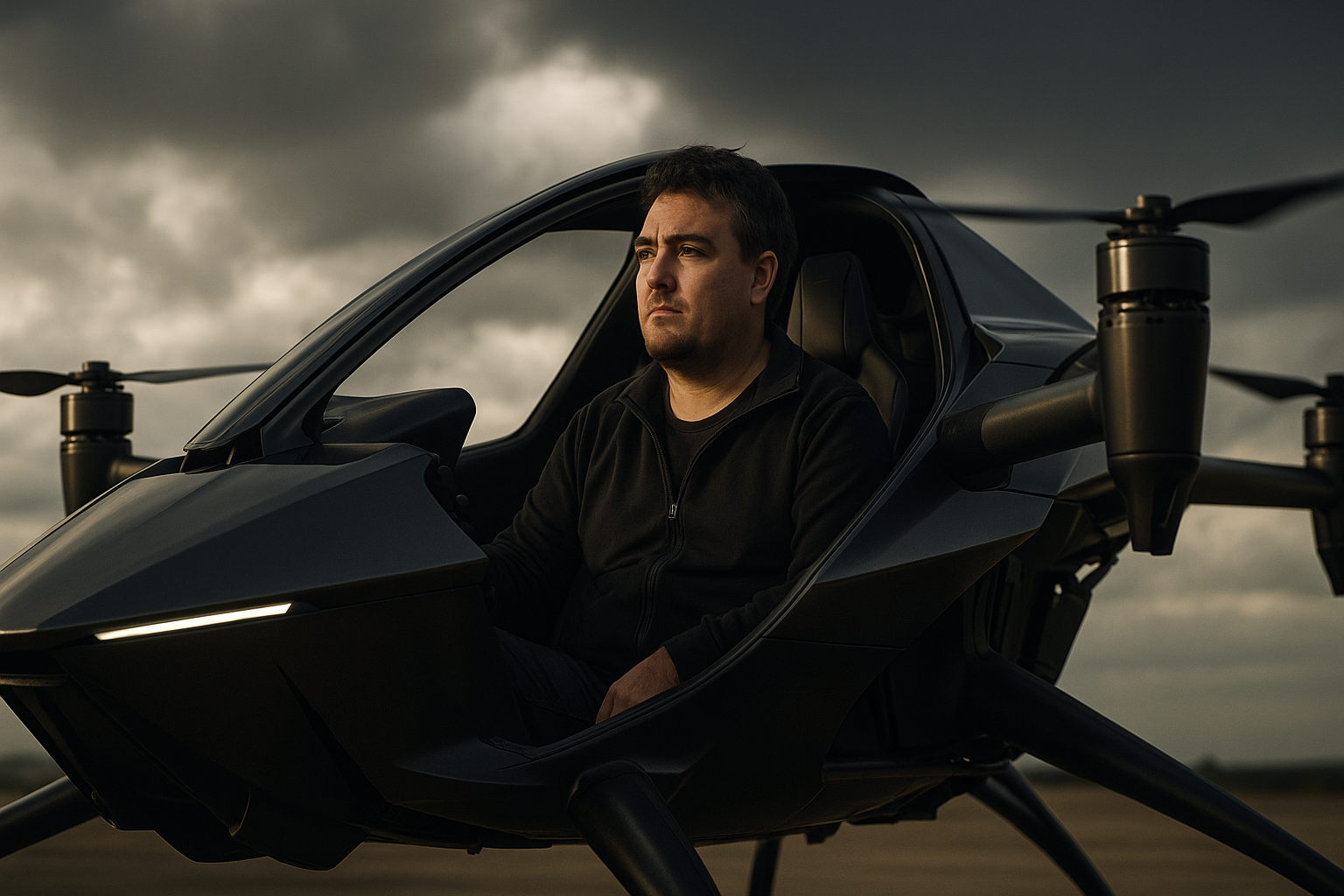
The personal air mobility industry reached a significant milestone as Palmer Luckey’s highly anticipated Jetson flying car becomes available for purchase. This breakthrough represents years of development and regulatory navigation, bringing consumer eVTOL aircraft closer to mainstream adoption. However, potential buyers should be aware of important considerations before making this investment in cutting-edge aerial transportation technology.
Palmer Luckey’s Vision for Personal Aviation
Palmer Luckey, the renowned entrepreneur and founder of Oculus VR, has long been passionate about advancing personal air mobility solutions. His involvement with Jetson demonstrates the growing interest from tech industry leaders in transforming urban transportation through innovative eVTOL technology. The Jetson aircraft represents more than just a commercial product—it embodies a vision of democratizing access to aerial transportation.
Luckey’s influence in the tech community has helped elevate the Jetson brand and attract investor confidence. His endorsement carries significant weight in an industry still building public trust and credibility. The connection between virtual reality innovation and drone technology highlights how cross-industry expertise accelerates personal air mobility development.
The availability of the Jetson flying car marks a pivotal moment for enthusiasts and early adopters willing to invest in next-generation transportation. This milestone demonstrates that eVTOL technology has matured beyond concept stages into viable commercial products ready for consumer markets.
The Technology Behind Jetson Aircraft
- Electric vertical takeoff and landing (eVTOL) capabilities
- Advanced battery management systems for extended flight time
- Autonomous and manual flight control options
- Lightweight composite materials for improved efficiency
- Real-time weather and navigation integration
Understanding the Catch: Key Limitations
While the announcement generates excitement, potential buyers must understand significant considerations before purchase. The regulatory environment for personal eVTOL aircraft remains complex and varies substantially by jurisdiction. Operating a Jetson flying car requires compliance with FAA regulations, airspace restrictions, and local aviation laws that differ from traditional consumer vehicle purchases.
Infrastructure represents another critical limitation. Unlike automobiles with established fuel stations and repair facilities, the eVTOL ecosystem requires dedicated landing zones, charging infrastructure, and specialized maintenance services. These supporting systems are still being developed in most regions, limiting practical usability for average consumers.
Cost remains a substantial barrier to adoption. Personal eVTOL aircraft represent significant investments, with pricing positioned in the luxury market segment. Insurance, maintenance, pilot certification, and operational expenses add considerable ongoing costs beyond the initial purchase price, making ownership accessible primarily to high-net-worth individuals.
Regulatory and Operational Hurdles
- FAA Part 107 drone certifications and pilot licensing requirements
- Airspace classification limitations and no-fly zone restrictions
- Charging infrastructure scarcity in most urban areas
- Insurance coverage gaps and premium costs
- Maintenance requiring specialized technician training
Market Context for eVTOL Adoption
The personal air mobility market continues expanding despite infrastructure challenges. Companies including Joby Aviation, Lilium, and Archer Aerospace are pursuing multiple commercialization strategies targeting both urban air mobility and point-to-point transportation. The Jetson availability signals accelerating movement toward consumer-accessible products in this emerging sector.
Industry analysts project significant growth in eVTOL markets over the next decade as regulatory frameworks mature and infrastructure develops. Early adopters like Luckey’s endorsement help validate the technology while building market awareness among potential customers. The transition from experimental aircraft to purchasable consumer products represents industry maturation.
Investment in personal air mobility continues increasing from venture capital, aerospace companies, and technology firms. This capital influx accelerates development cycles and brings products to market faster than traditional aviation sectors experienced. The Jetson availability demonstrates capital efficiency and market-driven innovation in the eVTOL space.
Competitive Landscape and Alternatives
- Joby Aviation’s air taxi services in development
- Lilium’s vertical takeoff jets targeting regional transport
- Archer Aerospace’s battery-electric aircraft programs
- Traditional helicopter and light aircraft alternatives
- Emerging autonomous flight control systems across platforms
The Future of Personal Air Mobility
The Jetson flying car availability represents an important stepping stone toward mainstream personal air mobility adoption. Success requires continued collaboration between manufacturers, regulators, infrastructure developers, and early adopters building practical experience with eVTOL operations. Palmer Luckey’s backing suggests confidence in near-term viability despite acknowledged challenges.
Infrastructure development remains critical for practical adoption beyond enthusiast markets. Urban air mobility frameworks require dedicated landing facilities, charging networks, and air traffic management systems currently under development in progressive cities. Communities investing in these systems early will capture economic benefits from personal air mobility growth.
Education and certification programs must expand to train pilots and maintenance technicians for growing eVTOL fleets. Flight schools and technical institutes are beginning to develop curricula addressing these emerging roles. As operations scale, workforce development becomes increasingly important for sustainable industry growth.
The availability of consumer eVTOL aircraft like the Jetson represents a watershed moment for personal air mobility, moving from science fiction to commercial reality—though significant hurdles remain before this technology transforms mainstream transportation.
The Jetson flying car’s availability marks genuine progress in personal air mobility commercialization, though realistic assessment of current limitations remains essential. Potential buyers must carefully evaluate regulatory requirements, infrastructure availability, and total cost of ownership before committing to early-stage eVTOL aircraft. Palmer Luckey’s involvement brings credibility to the sector while highlighting that passionate entrepreneurship continues driving innovation in aerial transportation. As the eVTOL industry matures, subsequent generations of personal aircraft will address current limitations, making advanced air mobility increasingly accessible to broader demographics. The journey toward transforming personal transportation through electric aviation has officially begun.