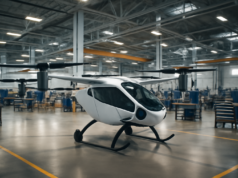

The personal air mobility sector continues to experience rapid evolution, with military applications emerging as a critical frontier for autonomous electric vertical takeoff and landing (eVTOL) aircraft. Recently, Beta’s leadership has made bold statements regarding their autonomous military eVTOL program, describing it as a strategic move that could reshape tactical operations. The introduction of the MV250 platform represents a significant milestone in bridging civilian and military aviation technologies, showcasing how innovative engineering can address national security requirements while advancing the broader eVTOL ecosystem.
Understanding Beta’s Strategic Military Vision
Beta’s decision to enter the autonomous military eVTOL market reflects a broader industry trend toward defense applications. The company’s leadership has positioned this venture not merely as a commercial expansion but as a tactical innovation that addresses real operational needs. By developing autonomous capabilities, Beta is responding to military requirements for extended range operations, reduced personnel requirements, and enhanced mission flexibility that traditional helicopters cannot easily provide.
The strategic importance of autonomous military eVTOL systems cannot be overstated. These aircraft offer unprecedented advantages in rapid deployment scenarios, covert operations, and logistics support. Unlike manned aircraft, autonomous platforms can operate in high-risk environments with reduced human exposure, making them invaluable for reconnaissance, transport, and tactical support missions. Beta’s commitment to this sector demonstrates confidence in the technology’s maturation and operational readiness.
From a market perspective, the military eVTOL segment represents a substantial opportunity. Government defense budgets worldwide are increasingly allocating resources to advanced air mobility solutions. Beta’s early positioning in this market could establish them as a preferred vendor for military applications across multiple nations, creating long-term revenue streams and technological leadership advantages that extend beyond the military domain.
The MV250 Platform: Technical Capabilities and Features
The MV250 represents Beta’s flagship military eVTOL design, engineered specifically for tactical operations. This aircraft combines the vertical takeoff and landing capabilities essential for rapid deployment with the endurance and payload capacity demanded by military missions. The platform’s architecture reflects lessons learned from both civilian eVTOL development and specialized military aviation requirements, creating a uniquely capable system.
Key technical specifications of the MV250 include advanced autonomous flight systems that enable operation beyond visual line of sight (BVLOS), critical for extended reconnaissance missions and supply delivery operations. The aircraft incorporates redundant safety systems required for military certification, ensuring reliability in demanding operational environments. Battery technology integration provides sufficient endurance for tactical radius operations while maintaining rapid recharge capabilities, enabling multiple missions per operational day.
The payload capacity of the MV250 extends its utility beyond simple transport applications. The platform can accommodate sensor payloads for surveillance and intelligence gathering, communication relay systems for extended connectivity, or cargo carrying capabilities for rapid resupply missions. This versatility makes the MV250 adaptable to diverse military requirements, from special operations support to disaster relief and humanitarian assistance operations.
Military Applications and Operational Advantages
The autonomous eVTOL platform opens entirely new operational possibilities for military forces. Traditional helicopter operations require trained pilots, extensive ground support infrastructure, and substantial fuel logistics. By contrast, autonomous military eVTOLs like the MV250 can operate from minimal forward bases, reducing vulnerability and support requirements. This operational efficiency translates to faster mission execution and reduced exposure of personnel to hostile environments.
Combat support applications represent a primary use case for military eVTOL systems. These aircraft can rapidly transport ammunition, medical supplies, and equipment to forward positions without exposing personnel to conventional aircraft risks. Reconnaissance missions benefit from extended loiter times and silent electric propulsion, enabling effective surveillance while minimizing detection risk. The autonomous capability adds another layer of advantage, allowing continuous operations without pilot fatigue limitations.
Humanitarian and disaster relief operations represent secondary applications with significant strategic value. Military eVTOL systems can rapidly deliver medical supplies, fresh water, and emergency equipment to disaster zones where traditional infrastructure is compromised. The ability to operate from unprepared landing zones makes these aircraft invaluable for rapid response scenarios, establishing military aviation as essential infrastructure support during crises. This dual-use capability enhances the strategic value of the investment while supporting civilian welfare objectives.
Competitive Landscape and Industry Response
Beta’s military eVTOL initiative arrives amid growing competition in the autonomous aviation sector. Several established defense contractors and eVTOL startups are pursuing similar objectives, recognizing the substantial market potential. However, Beta’s focused approach on autonomous capabilities provides a distinctive competitive advantage, positioning the company ahead of organizations still developing traditional eVTOL platforms with human pilots.
Industry observers note that the military segment could accelerate overall eVTOL development timelines. Military certifications and operational requirements, while stringent, can drive technological maturation faster than civilian markets alone. Success in military applications establishes proven technologies and operational models that subsequently transfer to civilian applications. This technology transfer represents a significant benefit to the broader personal air mobility ecosystem.
Regulatory frameworks for military autonomous systems continue evolving, creating both opportunities and challenges. Military eVTOL operations can often proceed under different certification models than civilian aircraft, enabling faster deployment of innovative technologies. However, international treaties regarding autonomous military systems add complexity to development and export considerations. Beta’s navigation of these regulatory environments will significantly influence the viability of their strategic vision.
Future Implications for Personal Air Mobility
Beta’s military eVTOL success could establish important precedents for autonomous flight certification and operation. Proving autonomous flight safety and reliability in demanding military contexts accelerates the credibility and adoption timeline for civilian autonomous air mobility systems. Technologies and operational procedures validated through military applications often transition to commercial markets with reduced development timelines and regulatory friction.
The autonomous military eVTOL market also influences investment patterns across the broader eVTOL sector. Successful military programs attract venture capital, government funding, and strategic partnerships that strengthen the entire industry ecosystem. Defense applications provide revenue diversification that stabilizes companies during civilian market development phases, improving the financial sustainability of eVTOL manufacturers and supporting continued technological advancement.
Long-term market growth projections for military autonomous eVTOL systems are exceptionally positive. Global defense spending continues increasing, with significant portions directed toward modernization and advanced technology acquisition. As military forces worldwide recognize the capabilities autonomous eVTOL platforms provide, adoption rates will accelerate, creating sustained demand that supports industry growth and technological innovation for decades to come.
Key Takeaways: Military eVTOL Strategic Importance
- Beta’s autonomous military eVTOL strategy positions the company as a defense innovation leader, addressing genuine military operational requirements with proven eVTOL technology.
- The MV250 platform combines autonomous capabilities, rapid deployment features, and flexible payload systems, creating a versatile platform for diverse military and humanitarian applications.
- Military eVTOL development accelerates autonomous flight certification and operational procedures, benefiting the entire personal air mobility sector’s civilian applications.
- Defense budget allocations toward advanced air mobility create substantial market opportunities and sustained demand supporting long-term industry growth.
- Autonomous military systems represent a significant competitive advantage, enabling operational efficiency and personnel safety improvements over traditional helicopter platforms.
Beta’s ambitious autonomous military eVTOL program represents far more than a corporate expansion strategy; it symbolizes the maturation of personal air mobility technology and its integration into critical national security functions. The MV250 platform demonstrates that eVTOL technology has progressed beyond experimental stages into deployment-ready systems capable of supporting complex military operations. As nations worldwide recognize the strategic advantages autonomous air mobility provides, the market opportunity will expand dramatically, benefiting not only defense applications but accelerating development of civilian autonomous aviation systems that will transform transportation for decades to come. The intersection of military innovation and commercial aviation technology has historically proven transformative, and Beta’s commitment to this space suggests the personal air mobility sector stands at the threshold of explosive growth and capability expansion.