HIGHLIGHTS
- Air India, SkyDrive, and Suzuki form strategic eVTOL partnership to deploy flying cars for medical air logistics across Indian hospitals and pharmaceutical networks
- SkyDrive’s SD-05 aircraft technology enables rapid emergency medical transport, critical organ transfers, and cold-chain vaccine distribution in congested urban areas
- Suzuki’s manufacturing expertise and existing Indian supplier networks support localized eVTOL production and distributed ground support infrastructure across major metropolitan hubs
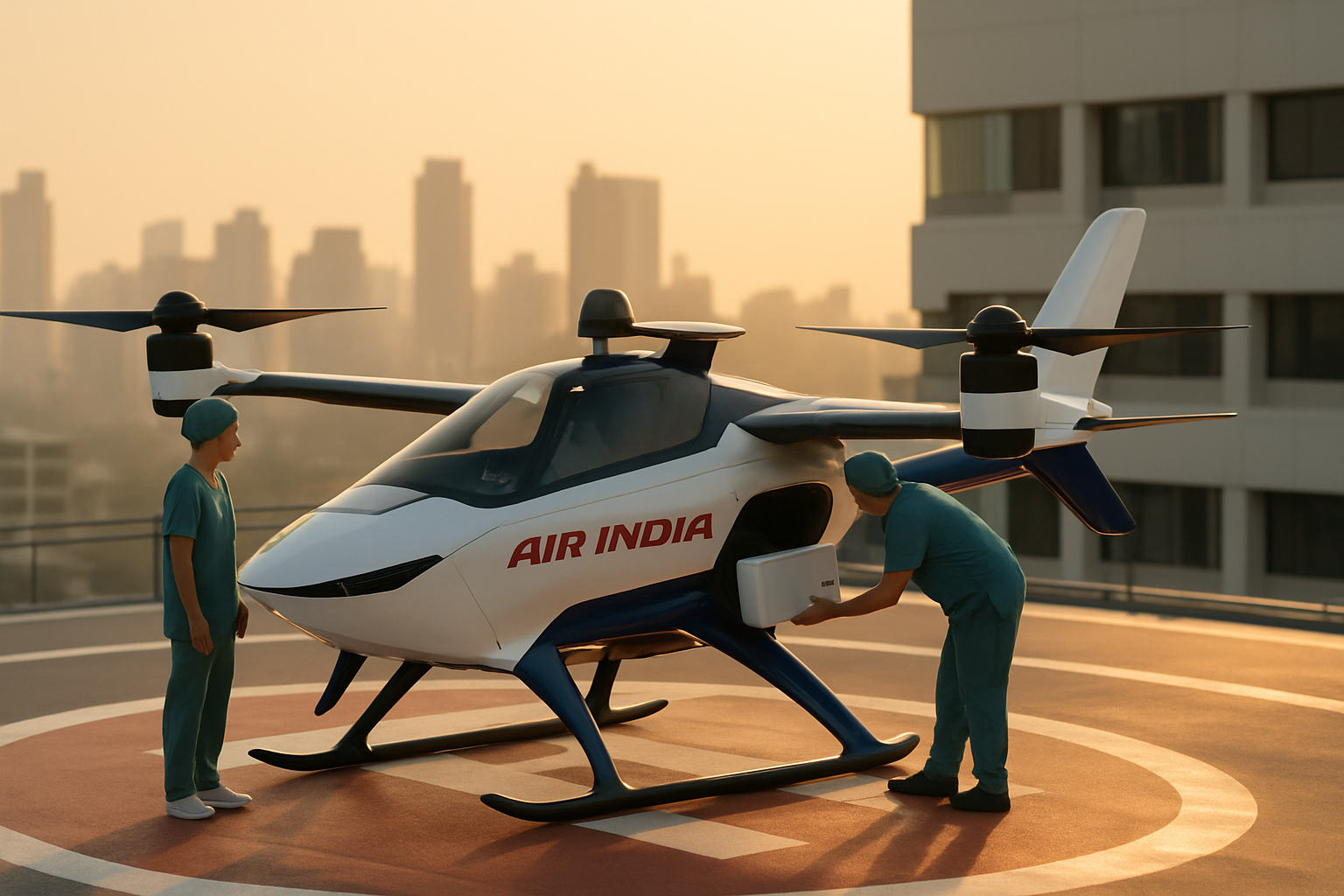
Air India, Japan’s SkyDrive, and automotive manufacturer Suzuki have announced a groundbreaking partnership to explore the feasibility of flying cars for medical air logistics across India. This strategic collaboration marks a significant milestone in bringing electric vertical takeoff and landing (eVTOL) aircraft from concept to real-world healthcare applications. The initiative aims to establish India as a key player in the emerging urban air mobility sector while addressing critical gaps in emergency medical transport and pharmaceutical distribution networks.
Air India’s Vision for Aerial Medical Networks
Air India’s entry into the eVTOL market represents a fundamental shift in how India’s aviation leader approaches modern healthcare logistics. The airline has recognized that traditional ground-based supply chains face significant bottlenecks in reaching remote and congested urban areas, particularly during medical emergencies. By leveraging flying cars, Air India seeks to compress delivery times from hours to minutes, potentially saving lives in critical situations requiring rapid medical intervention or specialized equipment transport.
The partnership leverages Air India’s extensive network infrastructure, ground operations expertise, and regulatory relationships with India’s aviation authorities. This positions Air India to become a pioneer in establishing operational corridors for medical eVTOL services across major metropolitan areas and connecting regional hospitals. The airline’s experience in handling time-sensitive pharmaceutical products and maintaining strict safety protocols makes it an ideal anchor partner for this venture.
Air India’s involvement also signals broader institutional confidence in the eVTOL sector’s maturation. As India’s national carrier, Air India’s participation lends credibility to flying car technology and accelerates government stakeholder engagement necessary for regulatory approval and airspace integration planning.
SkyDrive’s Advanced Aircraft Technology
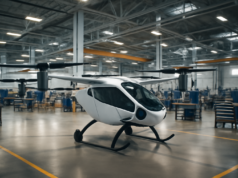
SkyDrive, a Tokyo-based aerospace technology company, brings its cutting-edge electric vertical takeoff and landing platform to this collaboration. The company has demonstrated its SD-05 prototype in test flights and has been advancing battery efficiency, noise reduction, and autonomous flight capabilities. SkyDrive’s aircraft are specifically engineered for low-altitude urban operations, making them ideal for navigating India’s complex airspace over densely populated cities and connecting hospital campuses.
SkyDrive’s technology addresses several critical operational requirements for medical logistics. The aircraft feature extended flight ranges suitable for intra-city and regional hospital-to-hospital transfers, rapid turnaround times between missions, and fail-safe redundancy systems critical for healthcare applications. The company’s focus on certification pathways and regulatory compliance aligns with India’s need for standardized operational frameworks governing commercial eVTOL services.
The partnership grants Air India access to SkyDrive’s proprietary flight control systems, battery technology, and maintenance protocols. This technology transfer component strengthens India’s domestic eVTOL ecosystem and reduces long-term dependency on foreign suppliers. SkyDrive’s proven design philosophy prioritizes reliability over performance metrics, directly supporting medical logistics’ uncompromising safety requirements.
Suzuki’s Manufacturing and Supply Chain Expertise
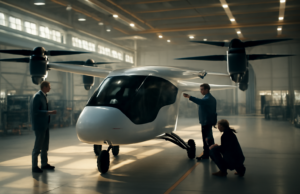
Suzuki’s participation in the Air India-SkyDrive consortium brings automotive manufacturing excellence and supply chain optimization capabilities. As Japan’s leading automotive supplier with extensive operations across India, Suzuki contributes production engineering knowledge, component sourcing networks, and quality assurance systems essential for scaling flying car production. The company’s presence strengthens localization prospects, positioning India as a potential manufacturing hub for Asian eVTOL operations.
Suzuki’s automotive heritage in modular design and component standardization can streamline flying car assembly and reduce production costs. The company’s established relationships with Indian tier-1 and tier-2 suppliers create opportunities for domestic content integration, supporting India’s self-reliance objectives and creating skilled manufacturing jobs. Suzuki’s experience managing complex supply chains across automotive, motorcycle, and marine segments translates directly to supporting eVTOL production at scale.
Beyond manufacturing, Suzuki contributes critical expertise in maintenance systems, dealer networks, and customer service infrastructure. These capabilities are vital for establishing reliable operational support networks across India’s hospitals, diagnostic centers, and pharmaceutical distribution hubs. Suzuki’s ability to manage geographically dispersed service operations mirrors requirements for distributed eVTOL ground support systems.
Medical Logistics Use Cases in India
India’s healthcare sector faces distinctive challenges that flying cars can directly address. Emergency blood transport, time-critical organ transplant logistics, critical medication delivery, and inter-hospital patient transfers currently depend on road networks compromised by congestion, infrastructure gaps, and unpredictable weather. Flying cars eliminate dependency on ground routes, reducing delivery times and improving clinical outcomes for time-sensitive medical scenarios.
The collaboration targets India’s largest metropolitan areas first—Mumbai, Delhi, Bangalore, and Hyderabad—where hospital density creates natural operational corridors. These cities also feature complex airspace management requirements and serve as hubs for multi-hospital healthcare networks that can immediately benefit from point-to-point aerial connectivity. Regional expansion toward tier-2 cities and connecting rural diagnostic centers to major hospitals represents medium-term scaling opportunities.
Pharmaceutical cold-chain logistics represent another critical application. India’s vaccine distribution networks, especially post-pandemic expansion, require reliable temperature-controlled transport to remote regions. Flying cars can maintain cold-chain integrity during transport while dramatically reducing distribution times, supporting India’s public health objectives and vaccine equity goals. Specialized cargo variants configured for pharmaceutical transport can be developed through this partnership.
Key Implementation Considerations
- Regulatory pathway: Partnership will coordinate with India’s Directorate General of Civil Aviation (DGCA) to establish eVTOL certification standards and operational approval frameworks specific to medical logistics use cases
- Airspace integration: Development of dedicated corridors within existing Class B and Class C Indian airspace, requiring coordination with air traffic control authorities and military stakeholders for safe integration with commercial aviation
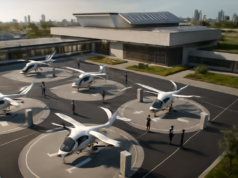
- Infrastructure requirements: Ground support stations at participating hospitals, including vertiport facilities, battery charging systems, maintenance hangars, and emergency response protocols
Air India, SkyDrive, and Suzuki’s partnership exemplifies how strategic collaboration between regional leaders, advanced technology providers, and industrial manufacturers can unlock transformative solutions for critical infrastructure challenges. By applying eVTOL technology to medical logistics, this initiative addresses India’s immediate healthcare delivery gaps while positioning the nation as an innovator in urban air mobility. The success of this pilot program could establish a global template for deploying flying cars in emerging markets, demonstrating that eVTOL technology’s greatest value extends far beyond urban commuting into essential services where rapid, reliable transport saves lives and drives societal progress.