HIGHLIGHTS
- U.S. Army begins live testing of hybrid-electric drone engines, extending flight range 30–50% beyond battery-only systems for enhanced military operational capability.
- Critical EV battery recycling infrastructure gap threatens industry scaling; material costs could spike 15–25% by 2028 without immediate capacity expansion.
- Successful military hybrid validation could accelerate commercial drone adoption by 2–5 years across delivery, agriculture, and inspection markets.
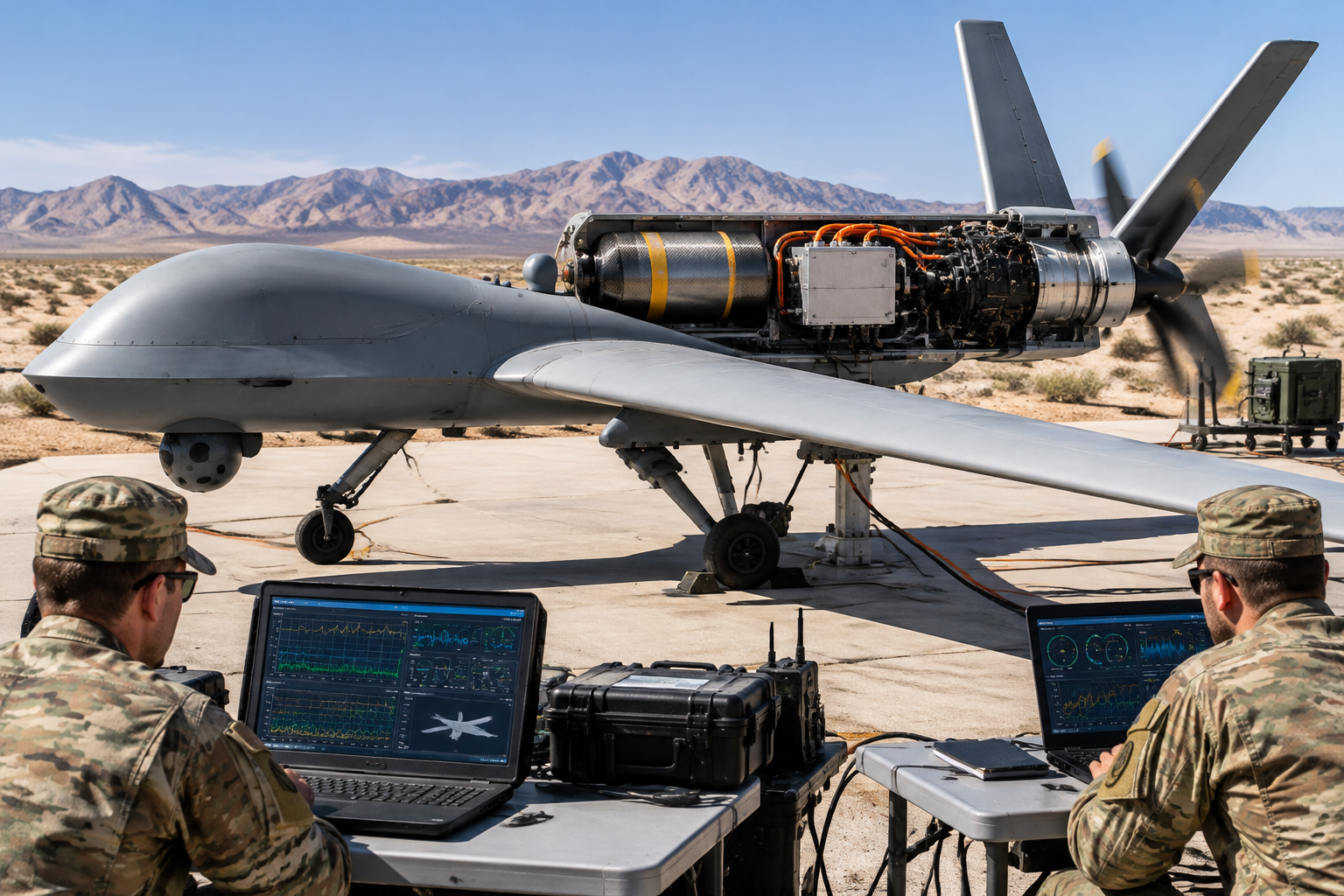
The U.S. Army has begun live testing of hybrid drone engines, marking a significant step forward in military aviation electrification. This development underscores the armed forces’ commitment to transitioning unmanned aerial systems toward more efficient, sustainable power solutions. Hybrid propulsion technology promises to extend flight duration while reducing operational costs—a critical advantage for defense agencies managing fleets across diverse operational theaters.
Military Adoption of Hybrid Drone Propulsion
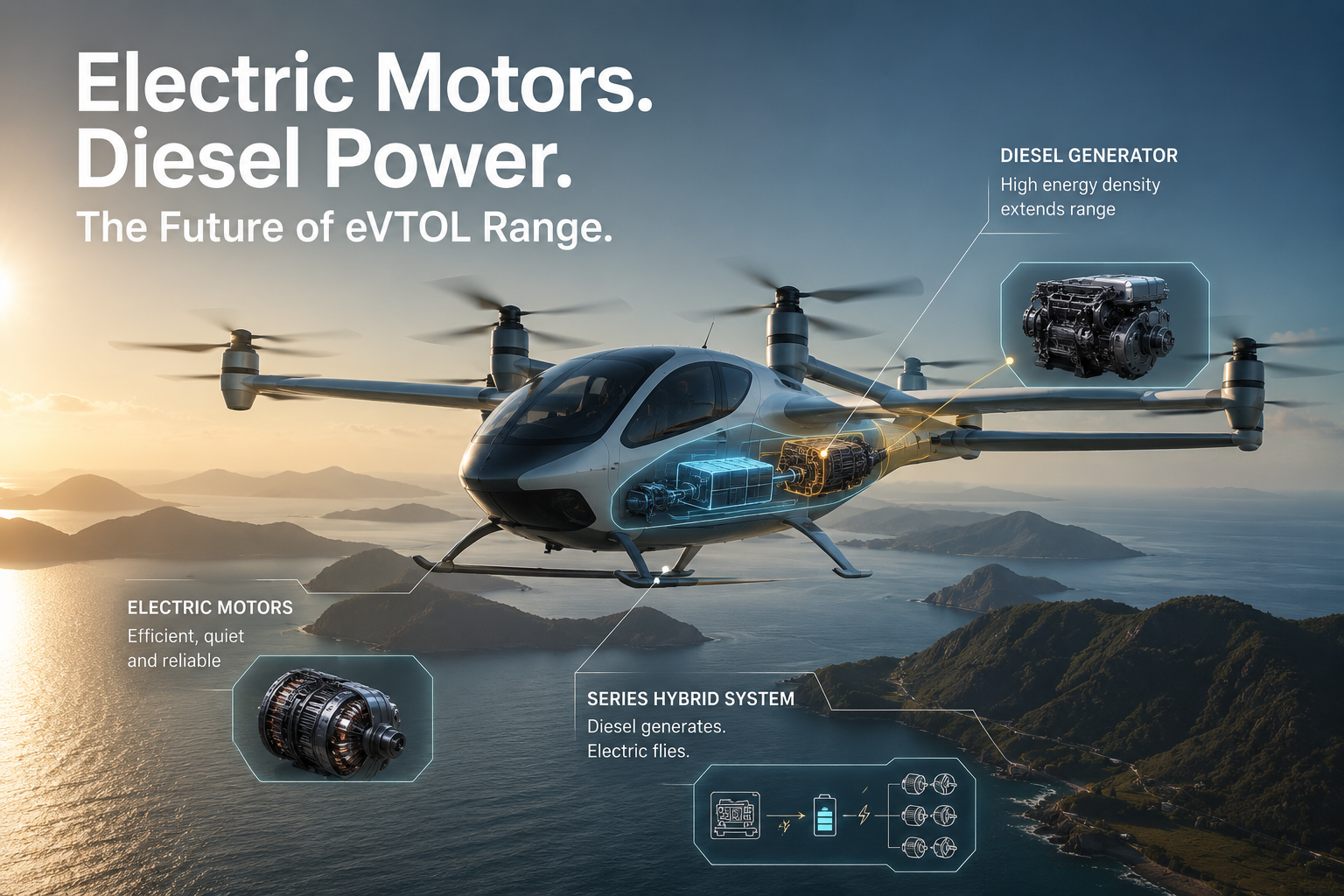
Hybrid-electric propulsion systems represent a middle ground between traditional combustion engines and fully electric motors, combining the endurance benefits of gas-powered flight with the precision and low-noise advantages of electric power. For military drone operations, this balance is essential: combat missions often require extended range and loiter time, constraints that pure battery-electric systems currently struggle to meet under full payload conditions.
The Army’s testing initiative reflects broader trends across defense establishments worldwide to modernize their unmanned fleets. Hybrid systems allow operators to maximize efficiency during cruise phases using electric motors, then engage combustion engines during high-demand segments such as takeoff or rapid maneuvering. This hybrid approach extends operational range by 30–50% compared to battery-only configurations, a substantial improvement for strategic deployments.
Integration of hybrid powertrains requires extensive validation across multiple operational scenarios. The Army’s current test phase evaluates engine performance, thermal management, fuel-electric switchover reliability, and overall system durability under field conditions. Successful results could accelerate adoption across the entire unmanned vehicle fleet, influencing procurement decisions for years to come.
Addressing EV Battery Recycling Supply Chain Gaps
While hybrid systems offer near-term solutions, the long-term trajectory of military aviation remains distinctly electric. However, large-scale EV adoption—whether in drones, urban air mobility vehicles, or manned eVTOLs—depends critically on reliable battery recycling infrastructure. The drone and aviation industries currently face a significant supply chain vulnerability: end-of-life lithium-ion batteries create both environmental concerns and material scarcity challenges.
Battery recycling presents dual challenges. First, capacity remains insufficient to handle the surge in spent batteries as eVTOL and drone fleets expand. Second, recycling operations are geographically concentrated, leaving many regions dependent on long-distance logistics and vulnerable to supply disruptions. Industry analysts project that without immediate scaling of recycling capacity, battery material costs could spike 15–25% by 2028, directly inflating eVTOL and drone manufacturing expenses.
The military’s investment in hybrid systems partially sidesteps this bottleneck by reducing per-unit battery demand during the near-term buildup phase. However, defense planners recognize this is a temporary measure. Strategic investments in domestic battery recycling facilities are becoming a national security priority, with several U.S. companies now receiving federal funding to establish closed-loop battery recovery operations.
Implications for Commercial EV Drone Markets
Military technology development frequently spills over into civilian sectors, and hybrid drone propulsion is no exception. Commercial operators in delivery, surveying, agriculture, and inspection services are watching Army testing results closely. Hybrid systems could unlock new use cases: longer delivery routes, larger payload capacities, and extended flight times over remote areas without power infrastructure.
Startup companies and established aerospace firms are independently developing hybrid drone platforms, but validation from a high-stakes, regulated sector like the military accelerates market credibility and investor confidence. Successful Army trials provide proof-of-concept data that commercial developers can reference in regulatory filings and customer pitches. This trickle-down effect has historically compressed timelines for civilian adoption by 2–5 years.
The battery recycling supply chain gap, however, poses a more immediate threat to commercial growth. Unlike military operations, which benefit from dedicated supply chains and budget flexibility, commercial drone operators operate on thin margins and depend on commodity-like access to affordable batteries. Resolution of recycling infrastructure gaps is essential for scaling commercial fleets profitably.
Future Outlook: Hybrid as a Bridge Technology
Experts view hybrid propulsion as a transitional phase rather than a permanent solution. Long-term performance improvements in solid-state batteries, hydrogen fuel cells, and ultra-high-density energy storage will eventually render hybrid systems obsolete. However, that transition is likely 7–12 years away, making hybrid engines crucial for meeting near-term endurance and range requirements across both military and commercial sectors.
The Army’s testing initiative signals confidence in hybrid maturity and reliability. If field results prove positive, procurement orders could reshape the aerospace supplier landscape, benefiting component manufacturers, systems integrators, and fuel cell specialists focused on hybrid configurations. Conversely, underperformance could redirect military investment exclusively toward extending pure-electric capabilities, accelerating battery technology advancement.
Regulatory frameworks are evolving in parallel. Federal Aviation Administration (FAA) and Department of Defense specifications for hybrid-electric aircraft are still being finalized, but military testing accelerates this process. Clear technical and safety standards will reduce certification delays for commercial hybrid drone manufacturers, enabling faster market entry and competitive pricing.
Key Takeaways for Stakeholders
- Army hybrid drone engine tests validate extended-range propulsion for military operations, reducing dependence on pure-electric systems with current battery constraints.
- EV battery recycling infrastructure gaps create supply chain risks; without scaling, material costs could rise 15–25% by 2028, threatening commercial and military fleet growth.
- Military validation of hybrid technology accelerates civilian adoption timelines; successful Army trials could compress commercial deployment by 2–5 years across delivery, surveying, and inspection sectors.
The U.S. Army’s hybrid drone testing represents a pragmatic acknowledgment of current battery technology limitations while preparing for an increasingly electric future. Success in this domain will reverberate through civilian markets, accelerate policy development, and highlight the urgent need to resolve battery recycling supply chain bottlenecks. As the drone and eVTOL industries scale, the interplay between military innovation, commercial competition, and infrastructure readiness will determine how quickly—and sustainably—electric aviation truly takes flight.